
George Q. Cannon
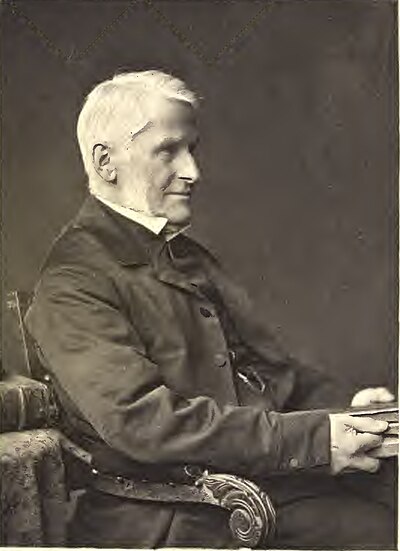
George Q. Cannon was a prominent figure in the early history of the Church of Jesus Christ of Latter-day Saints (LDS Church) and played a significant role in the development of the Mormon community in the United States. Born in England, Cannon emigrated to the United States as a young man and quickly became involved in church leadership. He served as a member of the Quorum of the Twelve Apostles and was instrumental in the establishment of the church's presence in the western territories, particularly in Utah. His influence extended beyond religious leadership; he was also a successful businessman and politician, serving as a delegate to the U.S. Congress from Utah Territory. Cannon was a prolific writer and editor, contributing to various church publications, most notably the "Deseret News," where he advocated for the church's interests and articulated its doctrines. His works often addressed the challenges faced by the Mormon community, including issues of persecution and the importance of faith and community solidarity. Cannon's legacy is marked by his efforts to promote the church's values in a rapidly changing America and his commitment to the growth and stability of the Mormon community during a time of significant social and political upheaval. His writings and leadership helped shape the identity of the LDS Church in its formative years, making him a key figure in its history.
Famous Quotes
View all 10 quotes“No matter how serious the trial, how deep the distress, how great the affliction, God will never desert us, He never has, and He never will.””
“The saints should always remember that God sees not as man sees; that he does not willingly afflict his children, and that if he requires them to endure present privation and trial, it is that they may escape greater tribulations which would otherwise inevitably overtake them. If He deprives them of any present blessing, it is that he may bestow upon them greater and more glorious ones by-and by.””
“It is true that some have greater power of resistance than others, but everyone has the power to close his heart against doubt, against darkness, against unbelief, against anger, against hatred, against jealousy, against malice, against envy. God has given this power unto all of us, and we can gain still greater power by calling upon Him for that which we lack. If it were not so, how could we be condemned for giving way to wrong influences?””
Books from the author



Link to this page
Add a free, dofollow link to Lex on your blog, forum, syllabus, or reading list.

<a href="https://lex-books.com/author/george-q-cannon"><img src="https://lex-books.com/badges/read-on-lex.svg" alt="George Q. Cannon on Lex" width="160" height="40"></a>[](https://lex-books.com/author/george-q-cannon)[url=https://lex-books.com/author/george-q-cannon][img]https://lex-books.com/badges/read-on-lex.svg[/img][/url]George Q. Cannon on Lex: https://lex-books.com/author/george-q-cannon