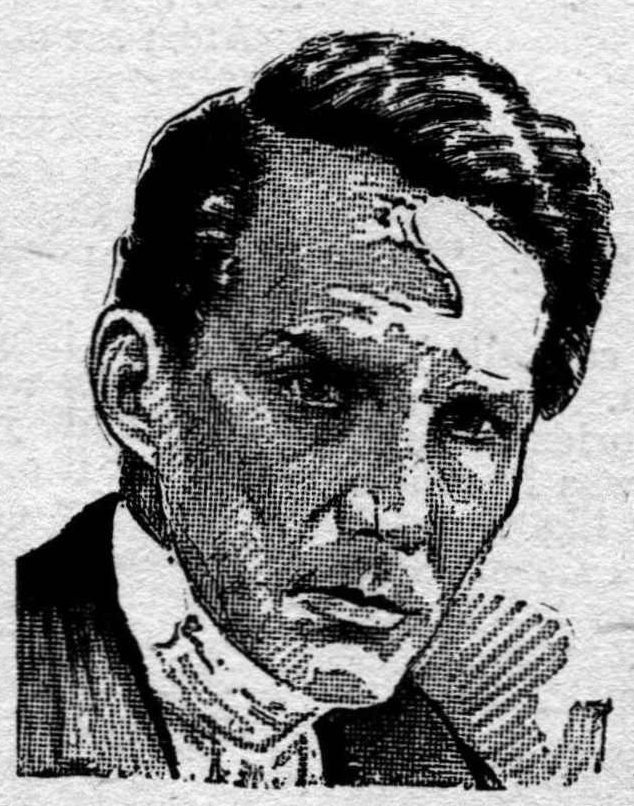
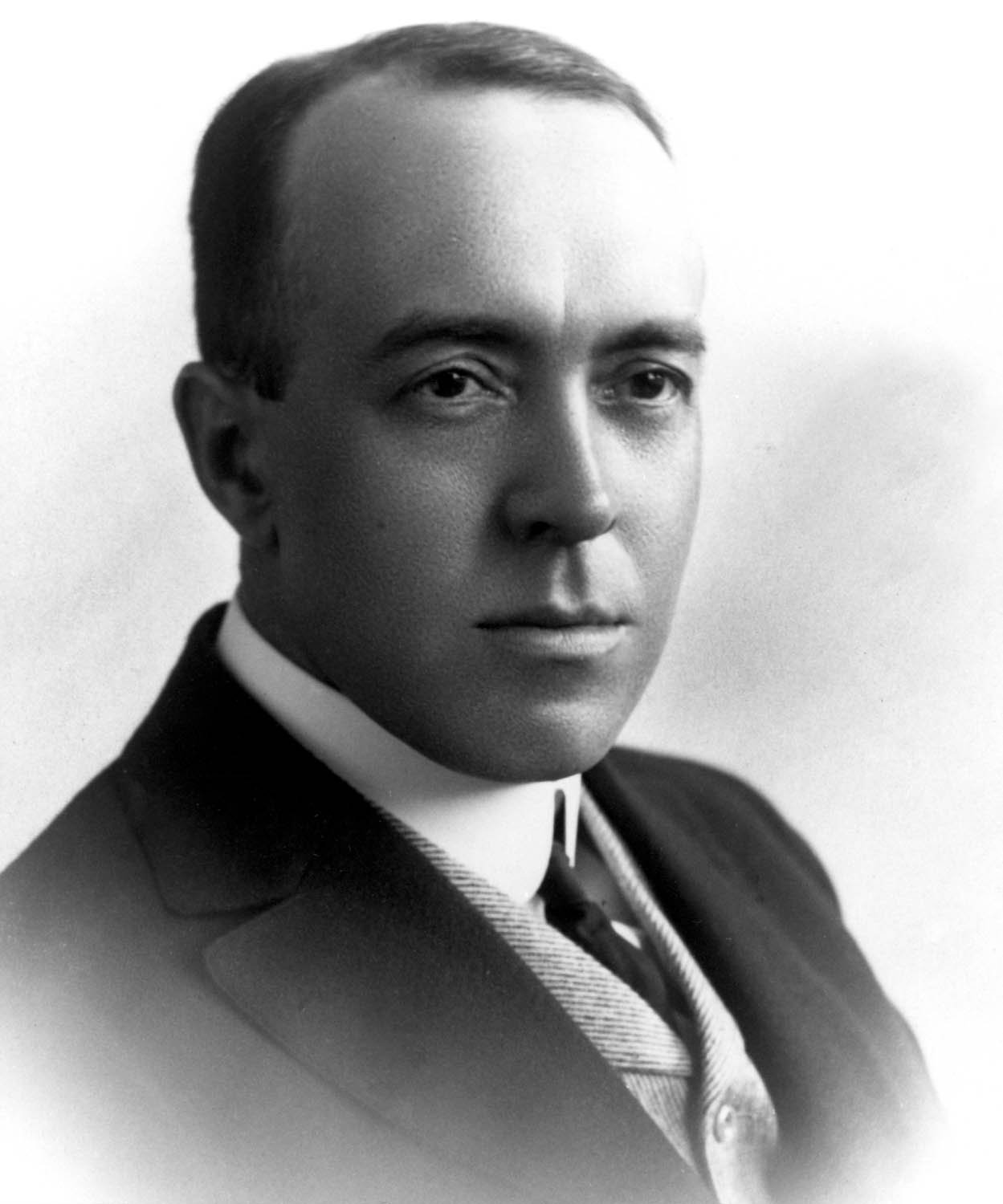
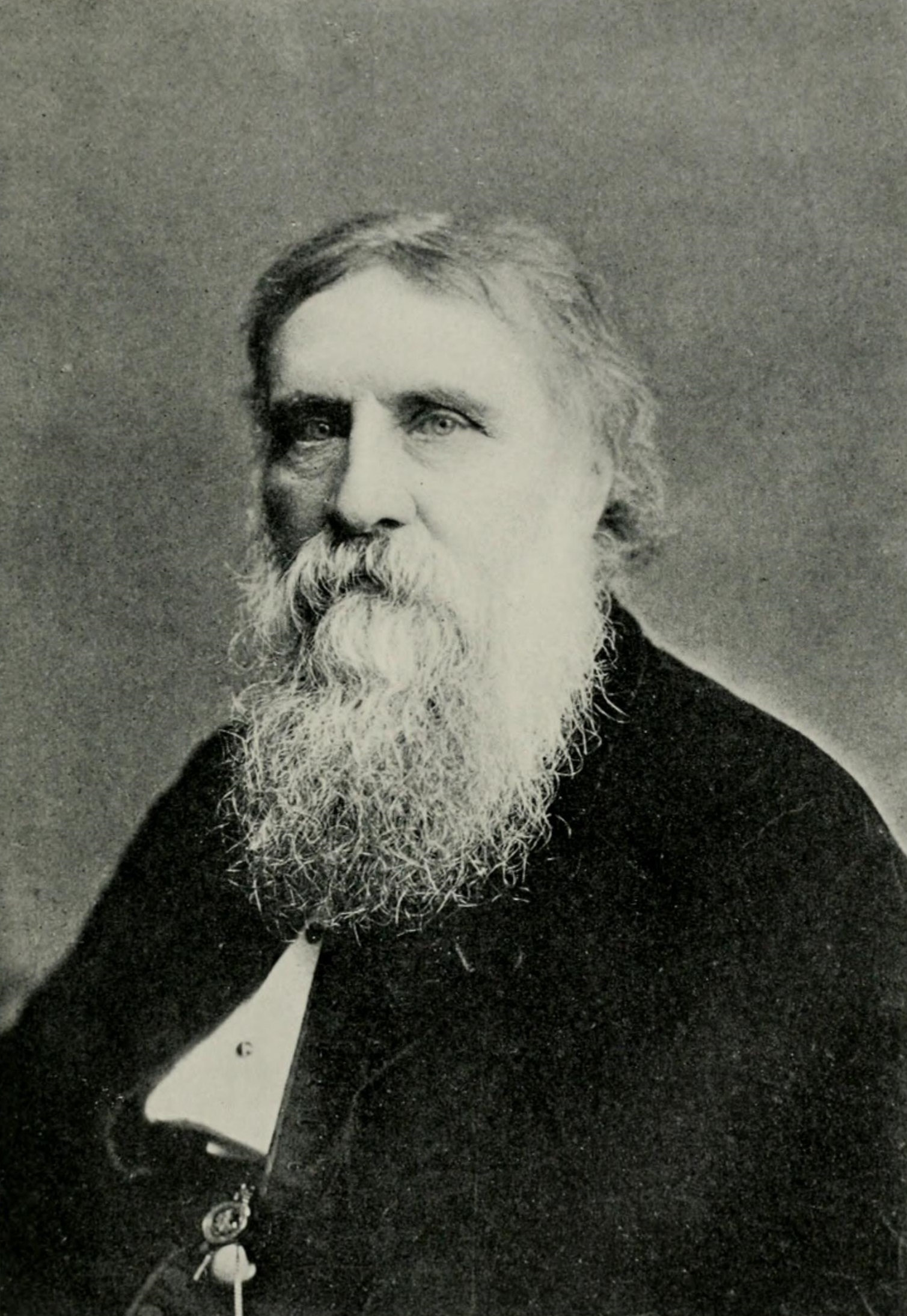
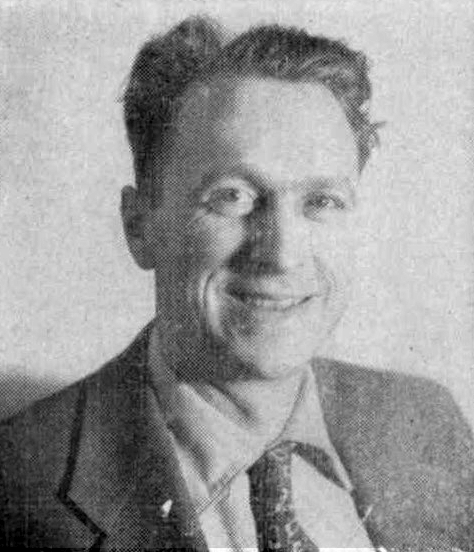
George H. Smith
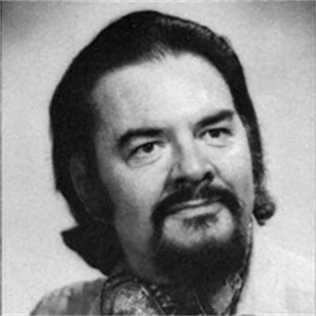
George H. Smith was an influential American libertarian philosopher and writer, best known for his works that explore the intersections of philosophy, politics, and economics. He gained prominence in the late 20th century for his advocacy of individual liberty and his critiques of religious and governmental authority. Smith's most notable work, "Atheism: The Case Against God," published in 1974, presented a rigorous argument against theistic beliefs, establishing him as a significant figure in the secular and libertarian movements. His writings often emphasized the importance of reason and individualism, drawing on the ideas of Enlightenment thinkers and the principles of classical liberalism. In addition to his philosophical contributions, Smith was a prolific writer and editor, contributing to various publications and engaging in public debates on issues related to freedom and personal responsibility. His works, including "The System of Liberty" and "The Libertarian Reader," have been influential in shaping contemporary libertarian thought. Smith's legacy lies in his unwavering commitment to the principles of liberty and reason, inspiring generations of thinkers and activists who continue to champion individual rights and skepticism of authority.
Famous Quotes
View all 15 quotes“It is my firm conviction that man has nothing to gain, emotionally or otherwise, by adhering to a falsehood, regardless of how comfortable or sacred that falsehood may appear. Anyone who claims, on the one hand, that he is concerned with human welfare, and who demands, on the other hand, that man must suspend or renounce the use of his reason, is contradicting himself. There can be no knowledge of what is good for man apart from knowledge of reality and human nature, and there is no manner in which this knowledge can be acquired except through reason. To advocate irrationality is to advocate that which is destructive to human life.””
“When conformity is required, as it is in Christianity, what are the results? To begin with, the sacrifice of truth inevitably follows. One can be committed to conformity or one can be committed to truth, but not both. The pursuit of truth requires the unrestricted use of one's mind--the moral freedom to question, to examine evidence, to consider opposing viewpoints, to criticize, to accept as true only that which can be demonstrated--regardless whether one's conclusions conform to a particular creed.””
“[A]ny being with the supposed capacity to create the logically impossible must himself be logically impossible.””
Books from the author





Link to this page
Add a free, dofollow link to Lex on your blog, forum, syllabus, or reading list.

<a href="https://lex-books.com/author/george-h-smith-2"><img src="https://lex-books.com/badges/read-on-lex.svg" alt="George H. Smith on Lex" width="160" height="40"></a>[](https://lex-books.com/author/george-h-smith-2)[url=https://lex-books.com/author/george-h-smith-2][img]https://lex-books.com/badges/read-on-lex.svg[/img][/url]George H. Smith on Lex: https://lex-books.com/author/george-h-smith-2