
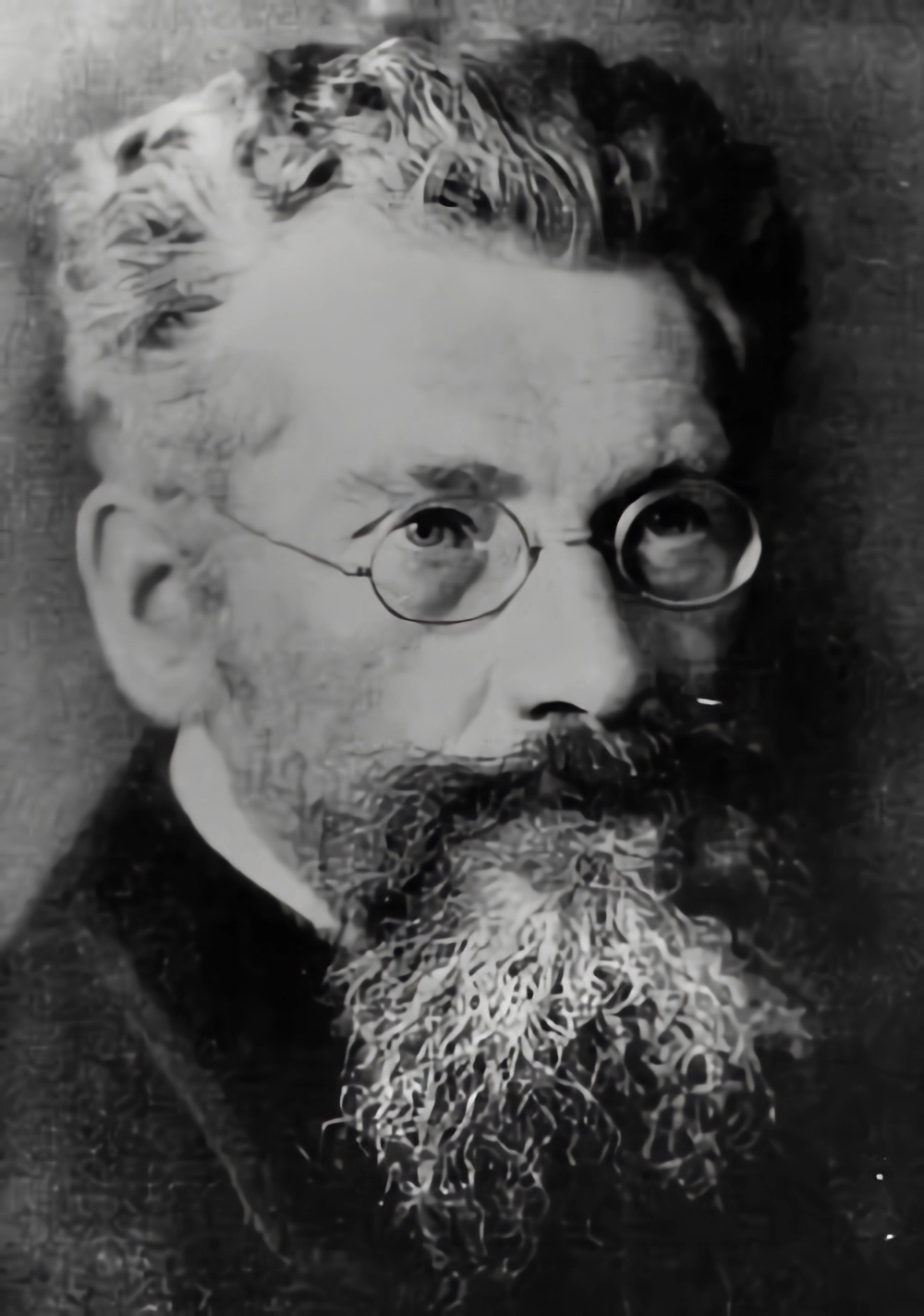
George H. Carpenter
George H. Carpenter was a prominent English entomologist and author known for his significant contributions to the study of insects. His most notable work, "The Life-Story of Insects," published in 1913, offered an engaging exploration of the life cycles and behaviors of various insect species. Carpenter's writing was characterized by a blend of scientific rigor and accessible prose, making complex biological concepts understandable to a broader audience. This work not only served as an educational resource but also sparked interest in entomology among lay readers and aspiring scientists alike. Throughout his career, Carpenter emphasized the importance of insects in the ecosystem, highlighting their roles in pollination, decomposition, and as a food source for other species. His efforts in popularizing entomological knowledge contributed to a greater appreciation of biodiversity and the natural world. Carpenter's legacy endures in the field of entomology, where his writings continue to inspire curiosity and respect for the intricate lives of insects, reflecting a time when the study of nature was increasingly becoming a subject of public interest and scientific inquiry.
Famous Quotes
View all 1 quotes“Of course, we are all familiar with politicians who lie, break promises, or obfuscate the truth. President George H. W. Bush’s “Read my lips” promise not to raise taxes went bust. President George W. Bush’s weapons of mass destruction in Iraq were never found. President Barack Obama’s “If you like it, you can keep it” vow about Americans being able to keep the doctors and health insurance plans they liked never held up. Each of these presidents made statements they knew might not prove to be true. Gaslighting is far more aggressive than any of these misguided lies. It’s an elaborate scheme undertaken with the goal of gaining control over people. Trump is an expert gaslighter and what I want you to understand is that there is a very specific method to his madness.””
Books from the author







Link to this page
Add a free, dofollow link to Lex on your blog, forum, syllabus, or reading list.

<a href="https://lex-books.com/author/george-h-carpenter"><img src="https://lex-books.com/badges/read-on-lex.svg" alt="George H. Carpenter on Lex" width="160" height="40"></a>[](https://lex-books.com/author/george-h-carpenter)[url=https://lex-books.com/author/george-h-carpenter][img]https://lex-books.com/badges/read-on-lex.svg[/img][/url]George H. Carpenter on Lex: https://lex-books.com/author/george-h-carpenter