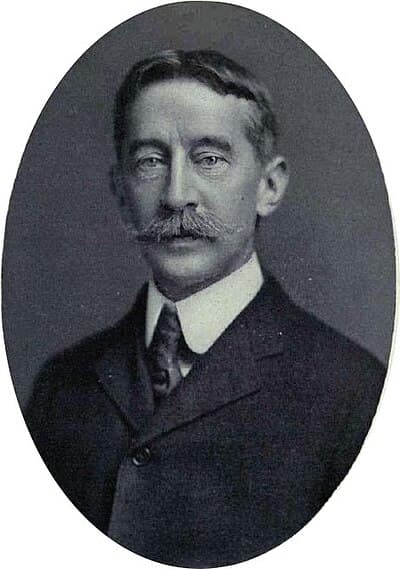
George Bird Grinnell
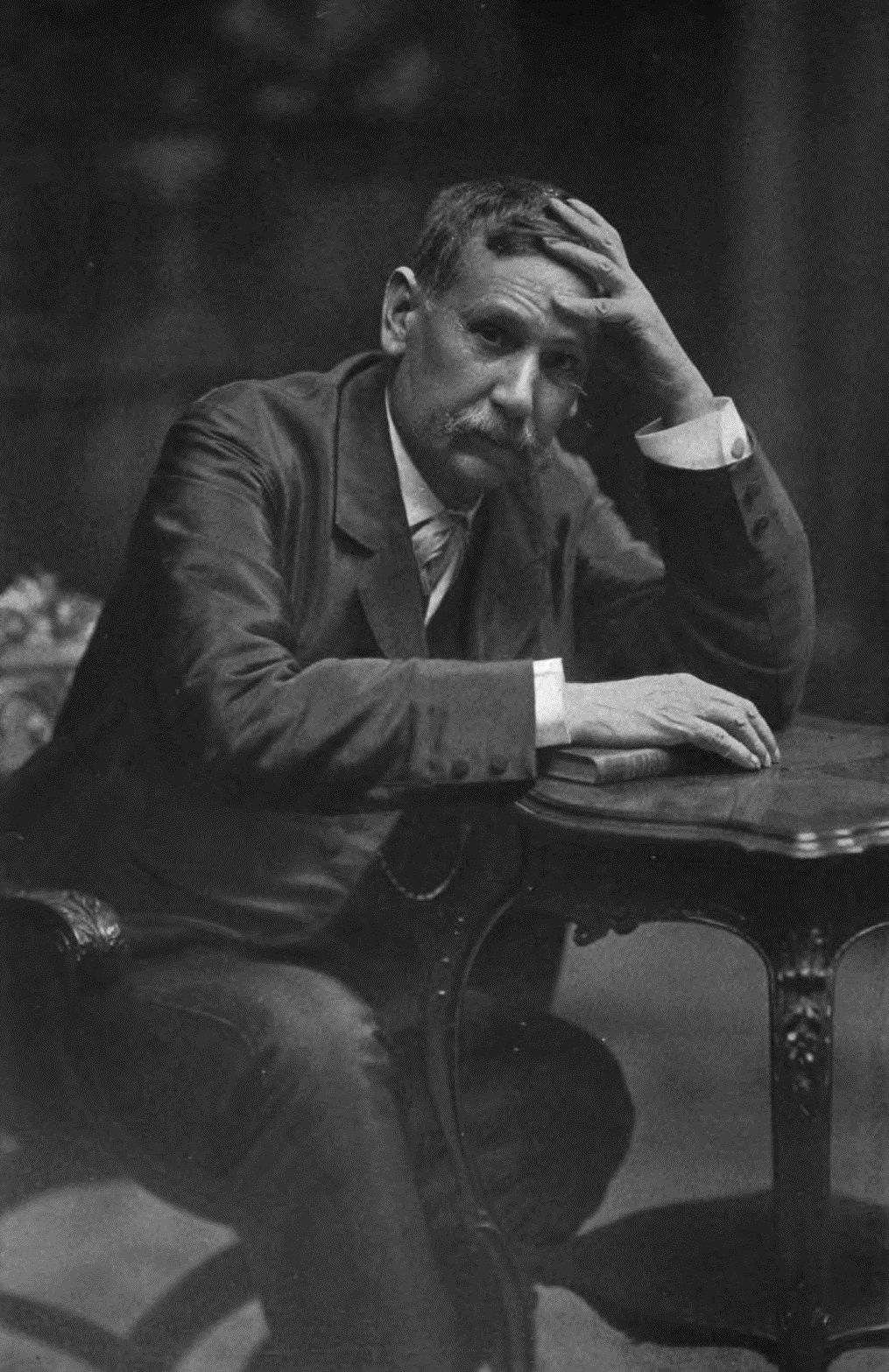
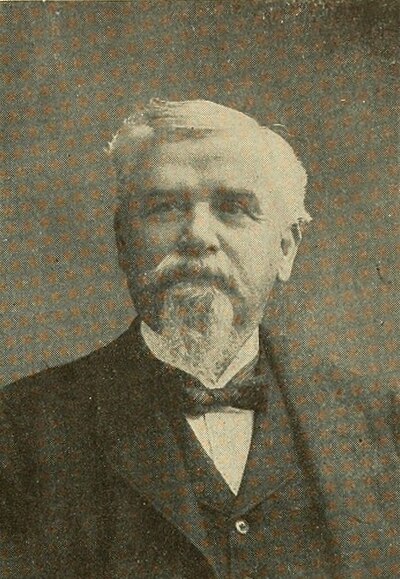
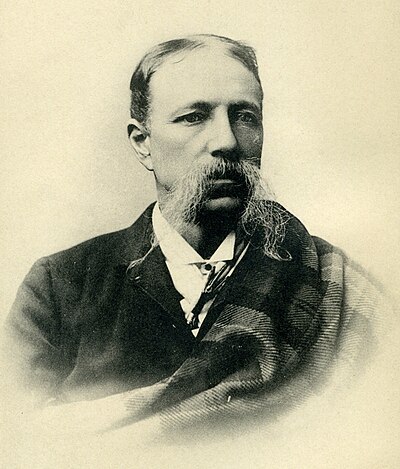
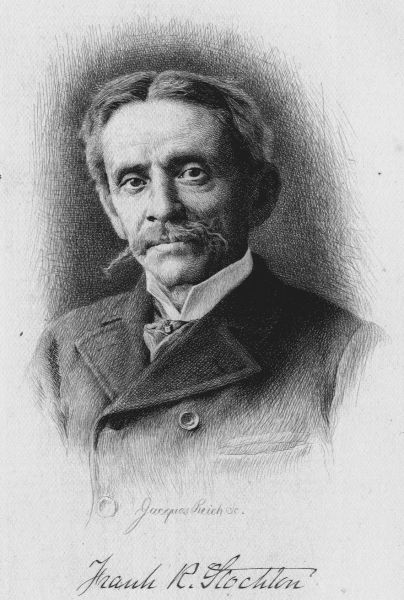
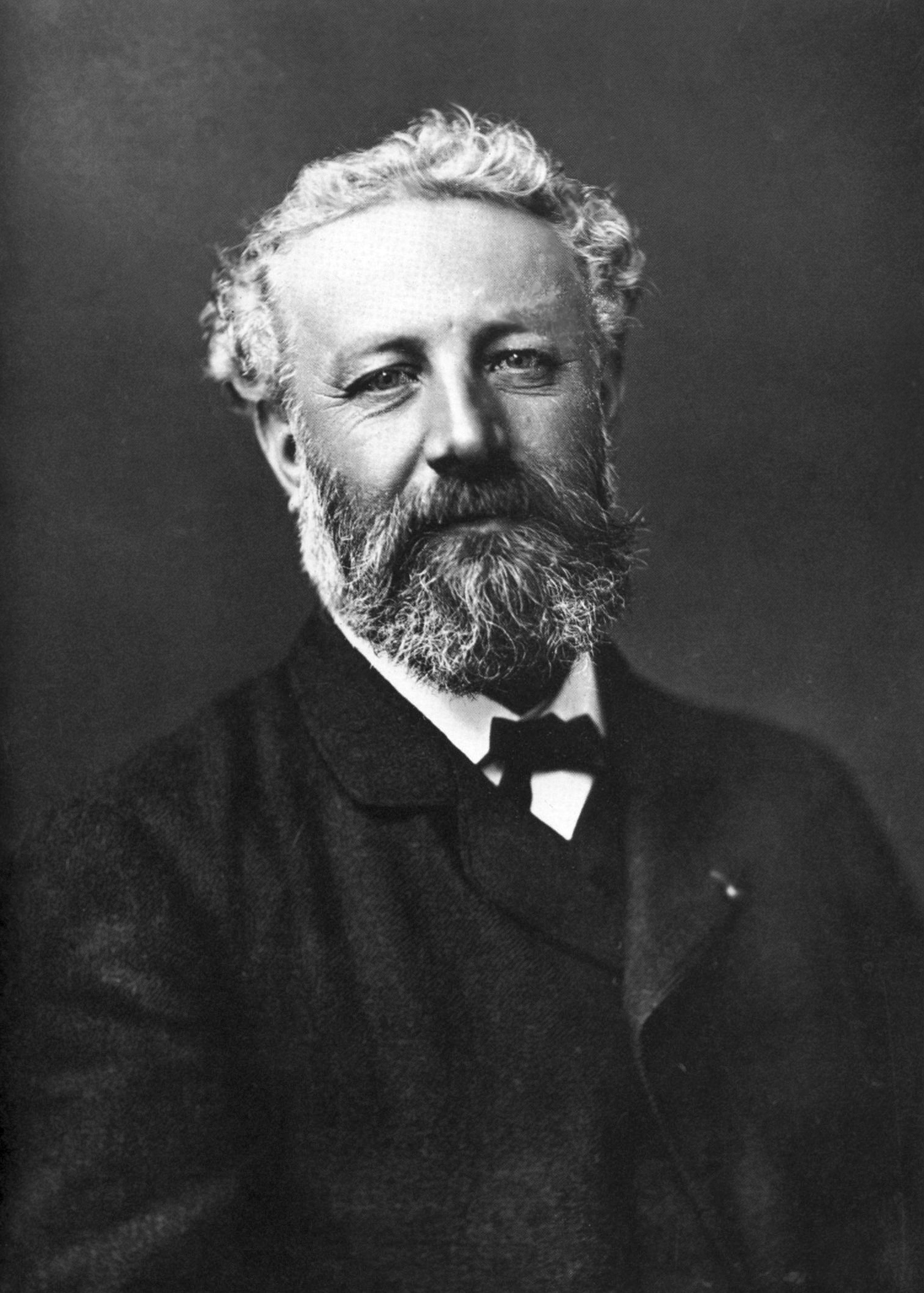
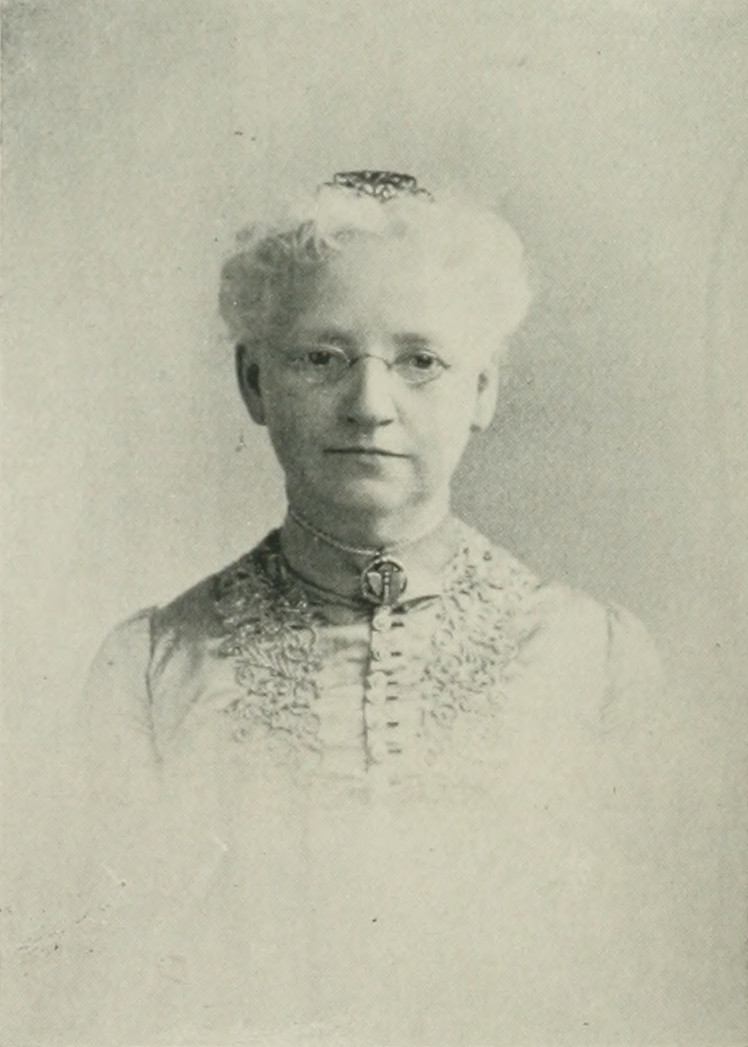
George Bird Grinnell was an influential American anthropologist, historian, naturalist, and writer, whose work significantly shaped the fields of conservation and Native American studies. Initially focused on zoology, Grinnell's interests expanded to include the preservation of wildlife and the documentation of Native American cultures. His advocacy for the American bison was particularly notable; he played a crucial role in raising public awareness about the species' decline and pushed for legislative measures to protect it. His writings, including 'The Story of the Bison' and 'Pawnee Hero Stories,' highlighted the intricate relationships between Native American tribes and their environments, contributing to a broader understanding of indigenous cultures in America. Grinnell's legacy extends beyond his literary contributions; he was a founding member of the Audubon Society and the Boone and Crockett Club, organizations dedicated to wildlife conservation. His efforts helped lay the groundwork for modern conservation movements and influenced policies that aimed to protect natural resources. In recognition of his contributions, Mount Grinnell in Glacier National Park was named in his honor, serving as a lasting tribute to his commitment to both nature and the preservation of Native American heritage.
Famous Quotes
View all 2 quotes“people must die, so that their friends who are left alive may always remember them.”
“The women were the smartest. They knew the most. They were the first to make piskuns, and to know how to tan hides and to make moccasins. At that time men wore moccasins made from the shank of the buffalo's leg, and robes made of wolfskin. This was all their clothing.”
Books from the author
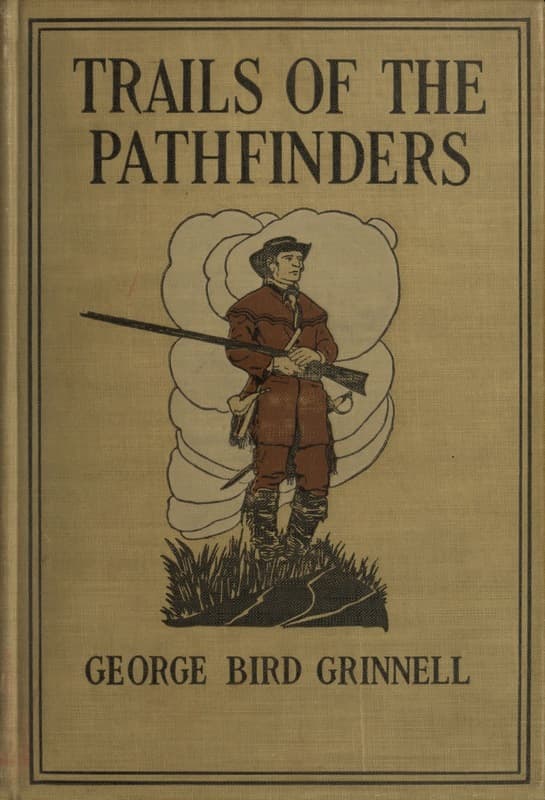
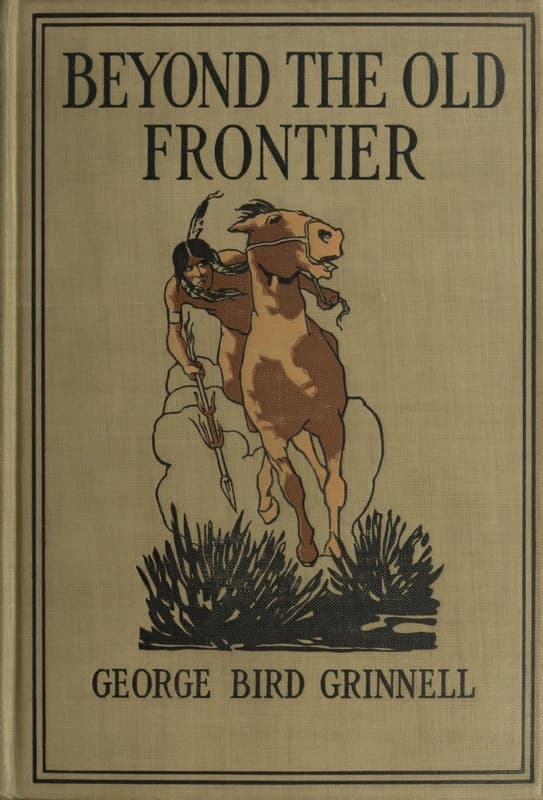

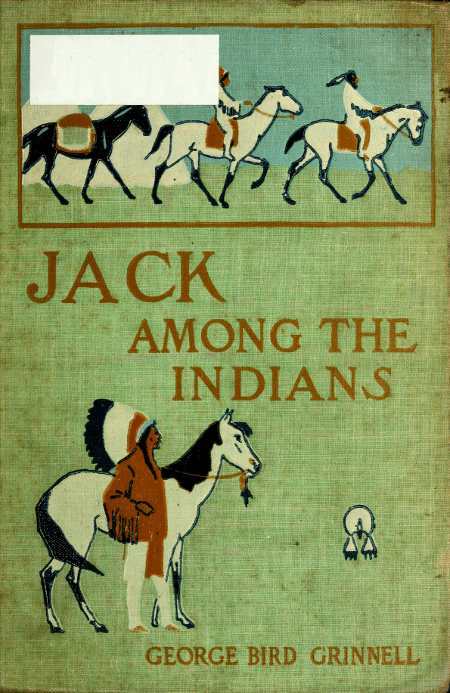

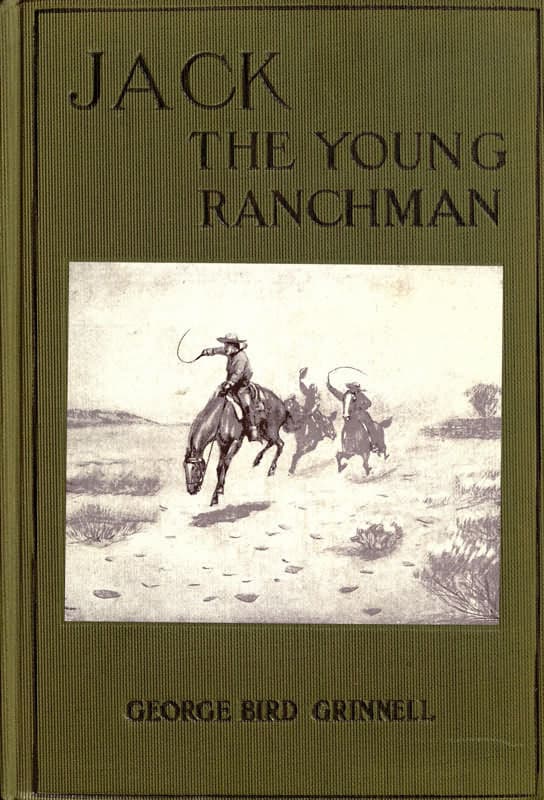



Link to this page
Add a free, dofollow link to Lex on your blog, forum, syllabus, or reading list.

<a href="https://lex-books.com/author/george-bird-grinnell"><img src="https://lex-books.com/badges/read-on-lex.svg" alt="George Bird Grinnell on Lex" width="160" height="40"></a>[](https://lex-books.com/author/george-bird-grinnell)[url=https://lex-books.com/author/george-bird-grinnell][img]https://lex-books.com/badges/read-on-lex.svg[/img][/url]George Bird Grinnell on Lex: https://lex-books.com/author/george-bird-grinnell