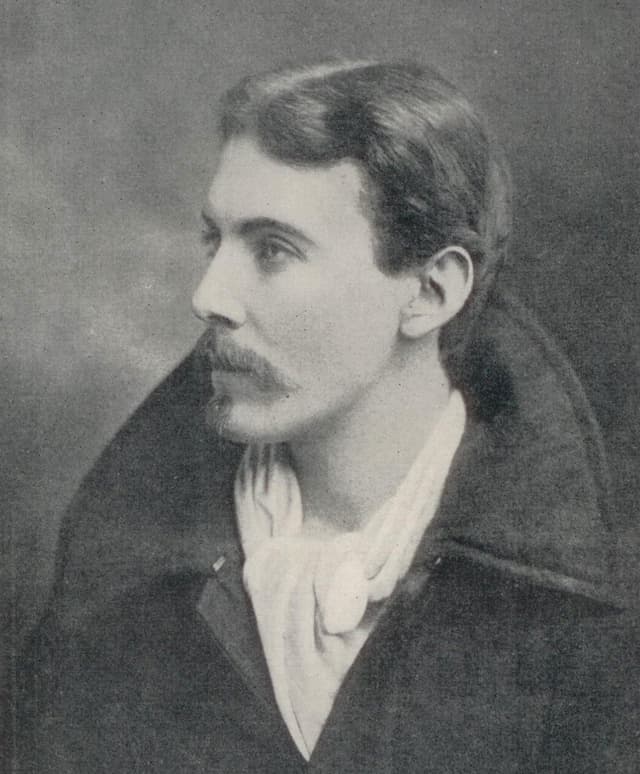
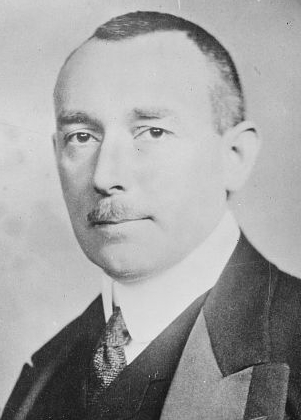
Geoffrey Winthrop Young
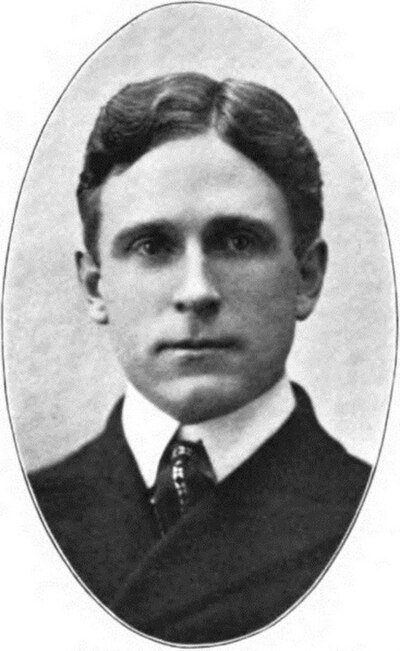
Geoffrey Winthrop Young was a distinguished British climber, poet, and educator, renowned for his contributions to mountaineering literature. Born in Kensington to a prominent family, he was deeply influenced by his upbringing and the intellectual environment fostered by his father, Sir George Young, a noted classicist. Young's passion for climbing led him to explore the peaks of the Alps and the Himalayas, experiences that profoundly shaped his writing. His notable works, including 'The Ascent of Nanda Devi' and 'The Climb of the Matterhorn,' not only documented his adventures but also reflected his philosophical musings on nature and the human spirit's quest for achievement. In addition to his literary pursuits, Young was a dedicated educator, advocating for the importance of outdoor education and the connection between nature and personal growth. His writings are characterized by a lyrical style that captures the beauty and challenges of the natural world, making him a significant figure in both mountaineering and poetry. Young's legacy endures through his influence on future generations of climbers and writers, as well as his role in promoting the appreciation of the mountains as a source of inspiration and reflection.
Famous Quotes
View all 2 quotes“This was the background for Benn's harsh objections. Versed in the arguments put forward by Philosophical Anthropology, Benn was anything but a concerned humanist; he was not irritated by the denial of man's higher status but by Uexkiill's putative blindness to man's fundamentally problematic nature. This critique of Uexkull (which will resurface time and again) is a kind of speciesism in a minor key that tries to reclaim a special place for humans not as the masters but as the misfits of creation. There are always faint echoes of Kierkegaard: somehow, we are special because we are broken, lost, abandoned, or derelict incomplete beings. (Alternately, "unfinished" humans may be labeled as evolutionary to-do projects that await completion.) Uexkiill's "jovial" theory appears to be devoid of tragedy. There is—to span the extremes of the German pantheon—too much Goethe and too little Nietzsche. Heaping insult upon insult, Benn acknowledged the similarity between Uexkull and Goethe but then added that in Goethe's time this type of harmonious leveling of differences may have been "worthy of a great man," but nowadays it revealed nothing other than the "primary joviality of the biologist and insect specialist.”
“discursive regimes of the late eighteenth century drew the figure of man into the sand, and even if he manages to survive the etching, typing, and storing of the late nineteenth-century analog media, he is certain to disappear with the compression of that sand into silicon.”
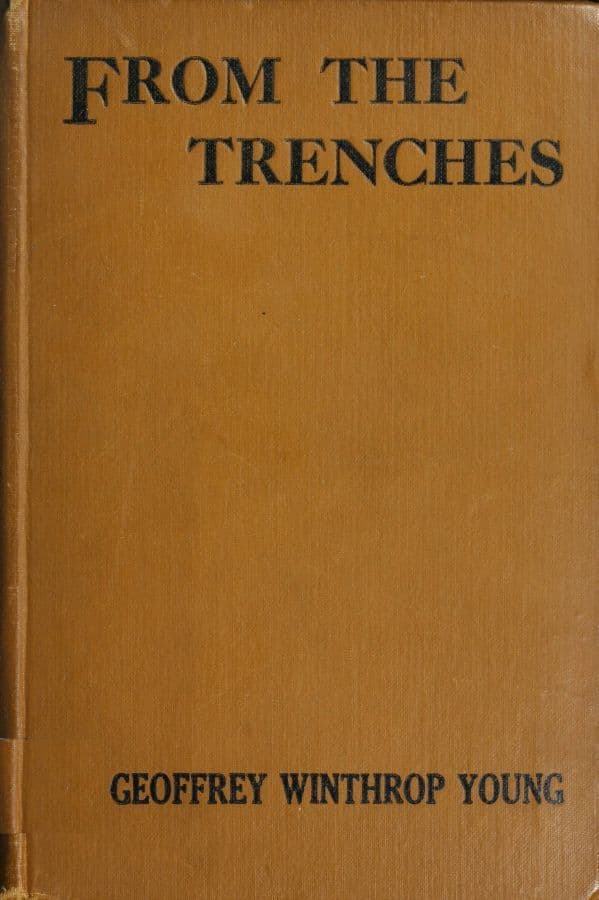
Books from the author





Link to this page
Add a free, dofollow link to Lex on your blog, forum, syllabus, or reading list.

<a href="https://lex-books.com/author/geoffrey-winthrop-young"><img src="https://lex-books.com/badges/read-on-lex.svg" alt="Geoffrey Winthrop Young on Lex" width="160" height="40"></a>[](https://lex-books.com/author/geoffrey-winthrop-young)[url=https://lex-books.com/author/geoffrey-winthrop-young][img]https://lex-books.com/badges/read-on-lex.svg[/img][/url]Geoffrey Winthrop Young on Lex: https://lex-books.com/author/geoffrey-winthrop-young