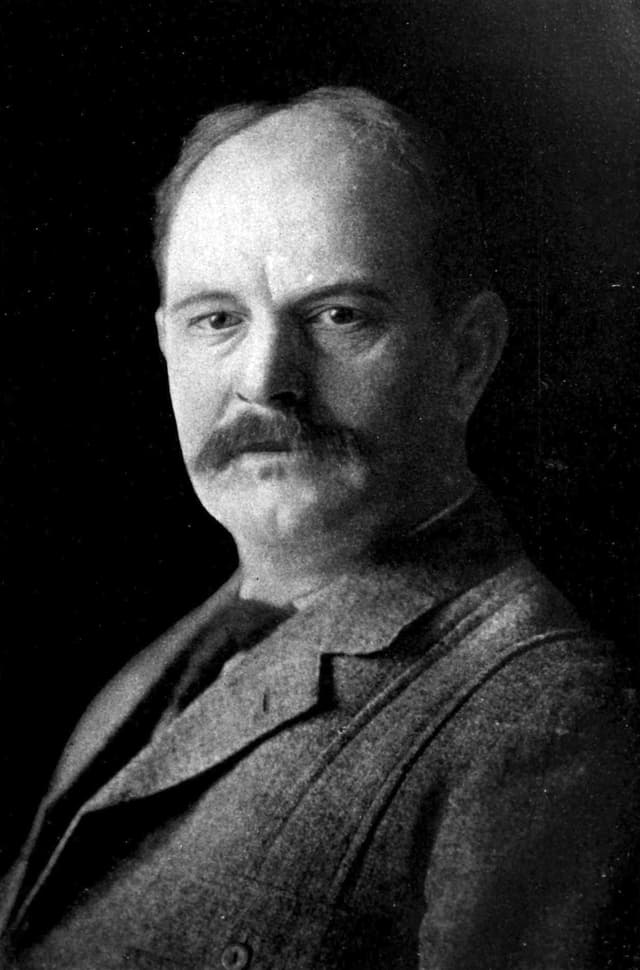
Frank M. Chapman
Frank M. Chapman was an influential American ornithologist and naturalist, renowned for his significant contributions to the study of birds in North America. Born in 1864, he developed a passion for nature early in life, which led him to pursue a career in ornithology. Chapman served as the curator of birds at the American Museum of Natural History in New York City, where he played a pivotal role in expanding the museum's ornithological collections and research. His work included the publication of numerous scientific papers and the influential book "The Bird Study Book," which aimed to educate the public about birdwatching and conservation. Chapman's legacy is marked by his commitment to avian conservation and his efforts to promote the appreciation of birds among the general public. He was instrumental in the establishment of the National Audubon Society and advocated for the protection of bird habitats. His pioneering work in the field of ornithology not only advanced scientific understanding but also inspired generations of birdwatchers and conservationists. Through his writings and public outreach, Chapman left an indelible mark on the field of natural history, emphasizing the importance of birds in the ecosystem and the need for their protection.
Famous Quotes
View all 1 quotes“Basically, Sam Phillips recorded Bill Haley, Johnny Cash, and all those other Memphis guys; Chuck Berry played the top two strings; Elvis appeared on The Ed Sullivan Show above the waist; the Beatles made all the girls squirm by singing about wanting to hold their “hands”; Ray Davies got lost in a sunset; Pete Townshend smashed his guitar; Brian Wilson heard magic in his head and made it come out of a studio; the Rolling Stones urinated on a garage door; and then (skipping a bit) you’ve got Joey Levine and Chapman-Chinn and Mott the Hoople and Iggy and the Runaways and KISS and the Pink Fairies and Rick Nielsen and Jonathan Richman and Johnny Ramone and Lemmy and the Young brothers and Cook and Jones and Pete Shelley and Feargal Sharkey and Rob Halford … and Foghat. You get what I’m saying. It didn’t happen in a vacuum, but it did happen, and now here we are in the aftermath.””
Books from the author

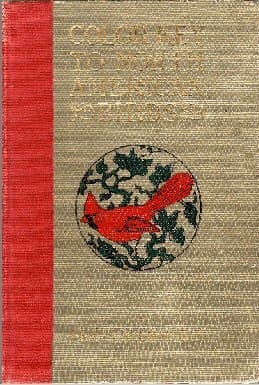
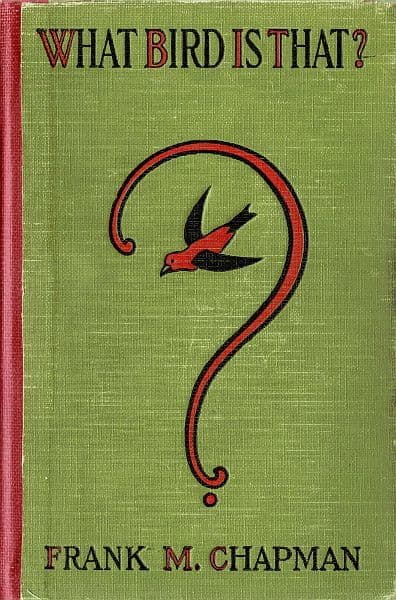
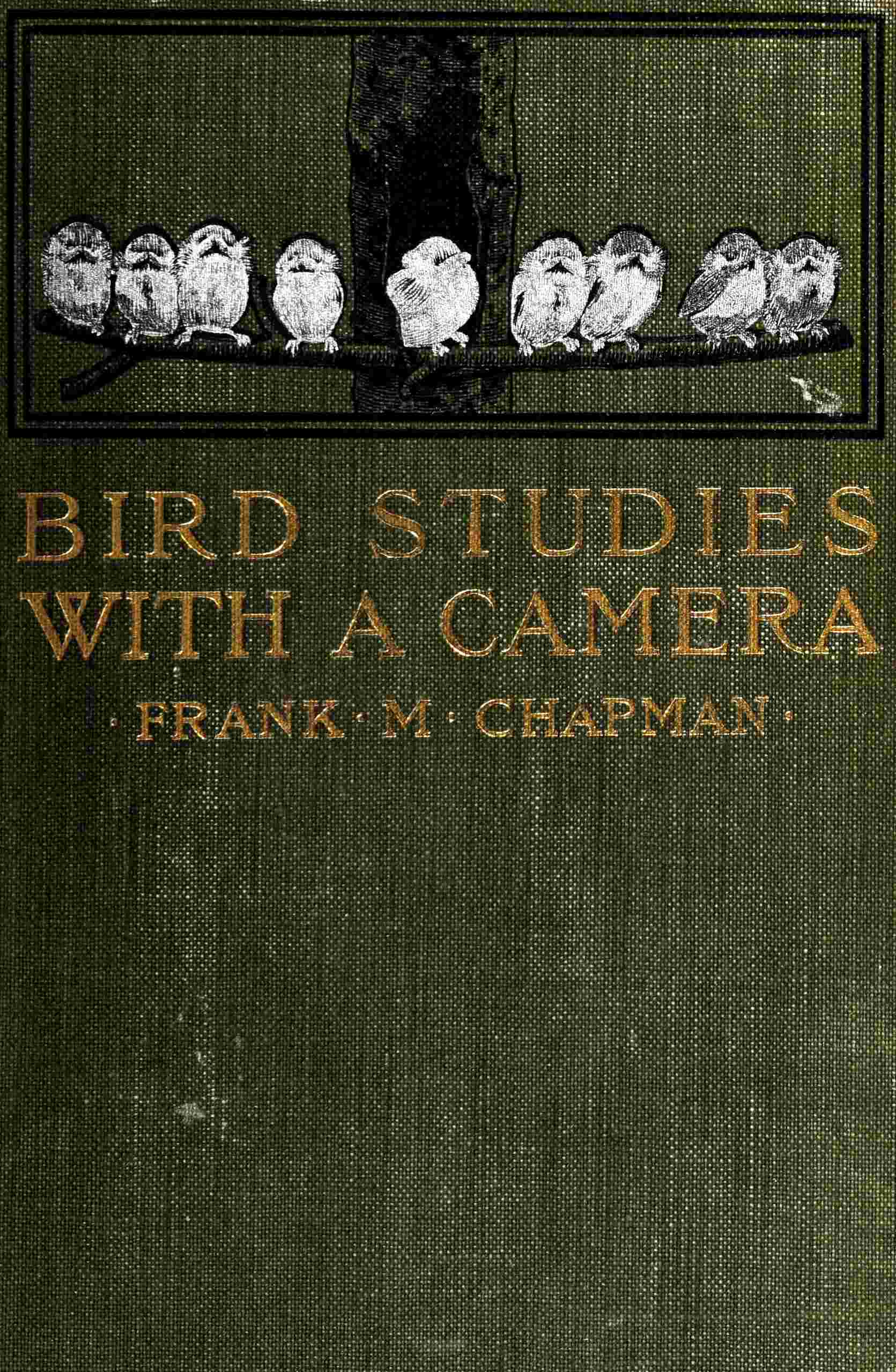



Link to this page
Add a free, dofollow link to Lex on your blog, forum, syllabus, or reading list.

<a href="https://lex-books.com/author/frank-m-chapman"><img src="https://lex-books.com/badges/read-on-lex.svg" alt="Frank M. Chapman on Lex" width="160" height="40"></a>[](https://lex-books.com/author/frank-m-chapman)[url=https://lex-books.com/author/frank-m-chapman][img]https://lex-books.com/badges/read-on-lex.svg[/img][/url]Frank M. Chapman on Lex: https://lex-books.com/author/frank-m-chapman