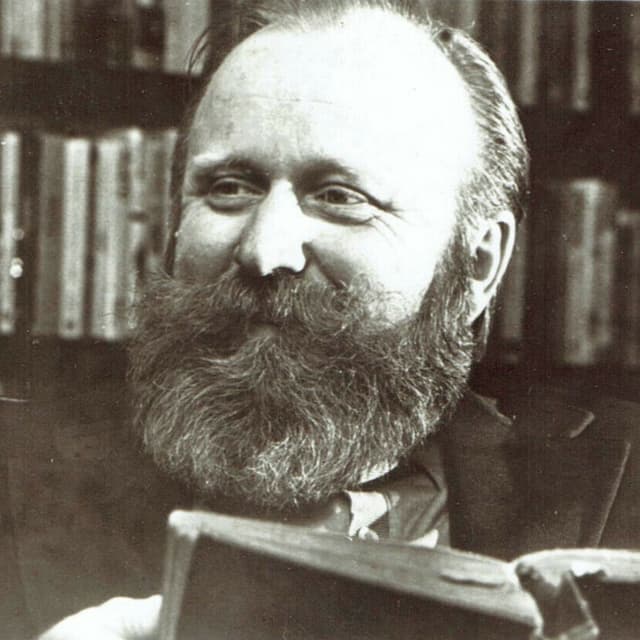
Frank Herbert
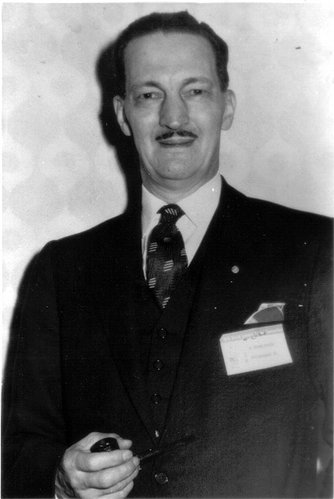
Frank Herbert was an influential American science-fiction author, renowned primarily for his groundbreaking novel Dune, published in 1965. This seminal work, which explores themes of politics, religion, and ecology through the lens of a distant future, became the best-selling science fiction novel of all time and laid the foundation for a series that includes five sequels. Herbert's diverse career also encompassed roles as a newspaper journalist, photographer, book reviewer, and ecological consultant, reflecting his deep engagement with the environmental issues that permeate his writing. Herbert's Dune series is celebrated for its complex characters and intricate world-building, which have inspired countless adaptations, including films and miniseries. The impact of his work extends beyond literature, influencing the broader science fiction genre and sparking discussions on ecological and sociopolitical themes. His legacy endures as a pioneer who not only shaped the landscape of science fiction but also prompted readers to consider the intricate relationship between humanity and the environment.
Famous Quotes
View all 3 quotes“I must not fear. Fear is the mind-killer. Fear is the little-death that brings total obliteration. I will face my fear. I will permit it to pass over me and through me. And when it has gone past I will turn the inner eye to see its path. Where the fear has gone there will be nothing. Only I will remain.”
“There is no real ending. It’s just the place where you stop the story.”
“The mystery of life isn't a problem to solve, but a reality to experience.”
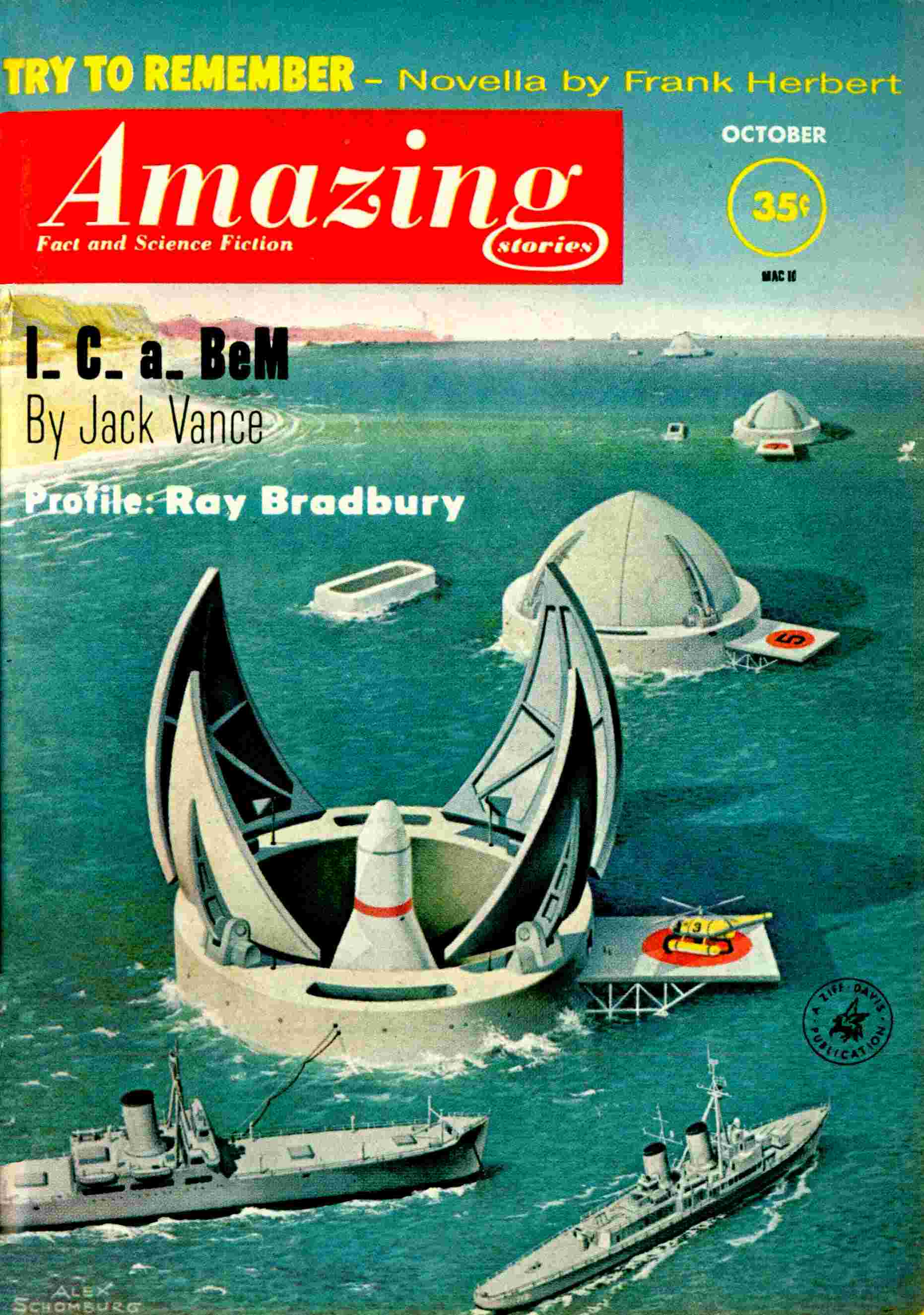
Books from the author








Link to this page
Add a free, dofollow link to Lex on your blog, forum, syllabus, or reading list.

<a href="https://lex-books.com/author/frank-herbert"><img src="https://lex-books.com/badges/read-on-lex.svg" alt="Frank Herbert on Lex" width="160" height="40"></a>[](https://lex-books.com/author/frank-herbert)[url=https://lex-books.com/author/frank-herbert][img]https://lex-books.com/badges/read-on-lex.svg[/img][/url]Frank Herbert on Lex: https://lex-books.com/author/frank-herbert