What would you like to read?Search books, authors, genres, shelves, users...
Search books, authors, genres, shelves, users...Search books, authors, genres, shelves, users...

What would you like to read?Search books, authors, genres, shelves, users...
Search books, authors, genres, shelves, users...Search books, authors, genres, shelves, users...
2 books
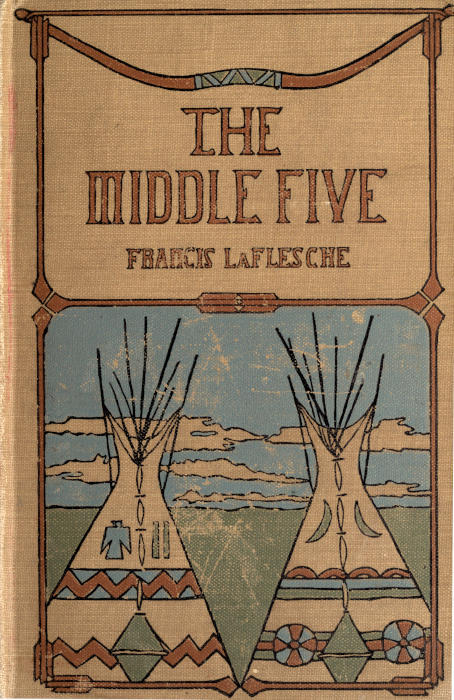
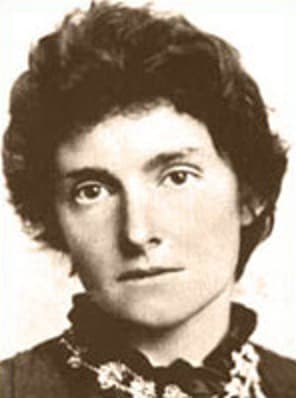
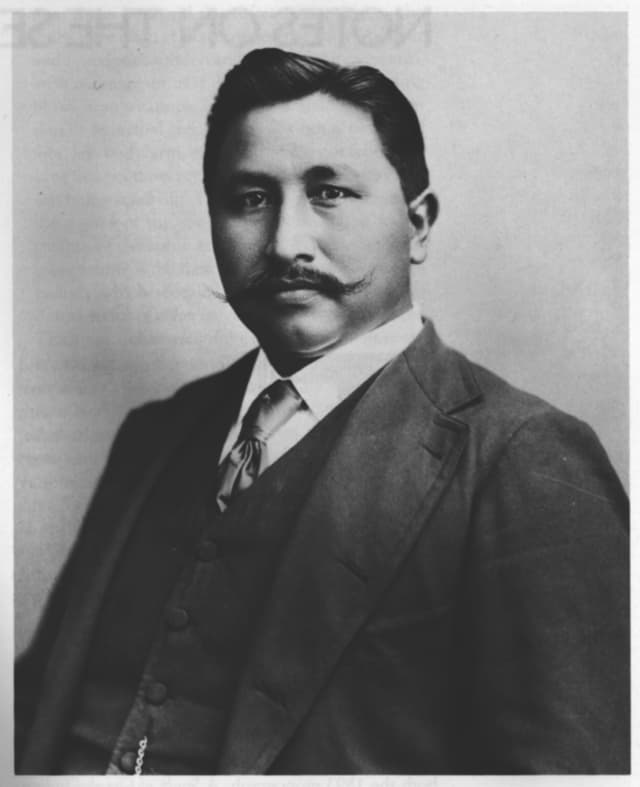
Francis La Flesche (Omaha, 1857–1932) was the first professional Native American ethnologist; he worked with the Smithsonian Institution. He specialized in Omaha and Osage cultures. Working closely as a translator and researcher with the anthropologist Alice C. Fletcher, La Flesche wrote several articles and a book on the Omaha, plus more numerous works on the Osage. He made valuable original recordings of their traditional songs and chants. Beginning in 1908, he collaborated with American composer Charles Wakefield Cadman to develop an opera, Da O Ma (1912), based on his stories of Omaha life, but it was never produced. A collection of La Flesche's stories was published posthumously in 1998. Of Omaha, Ponca, and French descent, La Flesche was the son of Omaha chief Joseph LaFlesche (also known as Iron Eye) and his second wife Ta-in-ne (Omaha). He grew up on the Omaha Reservation at a time of major transition for the tribe. Before the establishment of anthropology programs, La Flesche earned undergraduate and master's degrees at the George Washington University Law School in Washington, D.C. He made his professional life among European Americans.

In the beginning the Ṭsi´-zhu people came down, in the form of eagles, from the upper to the lower world. As they came in sight of the earth they beheld a large red oak tree. They soared down to it and alighted upon its topmost branches. The shock of their weight sent to the ground a shower of acorns which scattered around the foot of the tree, whereupon they said: We shall make of this tree our life symbol; our little ones shall multiply in numbers like
In the beginning the Ṭsi´-zhu people came down, in the form of eagles, from the upper to the lower world. As they came in sight of the earth they beheld a large red oak tree. They soared down to it and alighted upon its topmost branches. The shock of their weight sent to the ground a shower of acorns which scattered around the foot of the tree, whereupon they said: We shall make of this tree our life symbol; our little ones shall multiply in numbers like