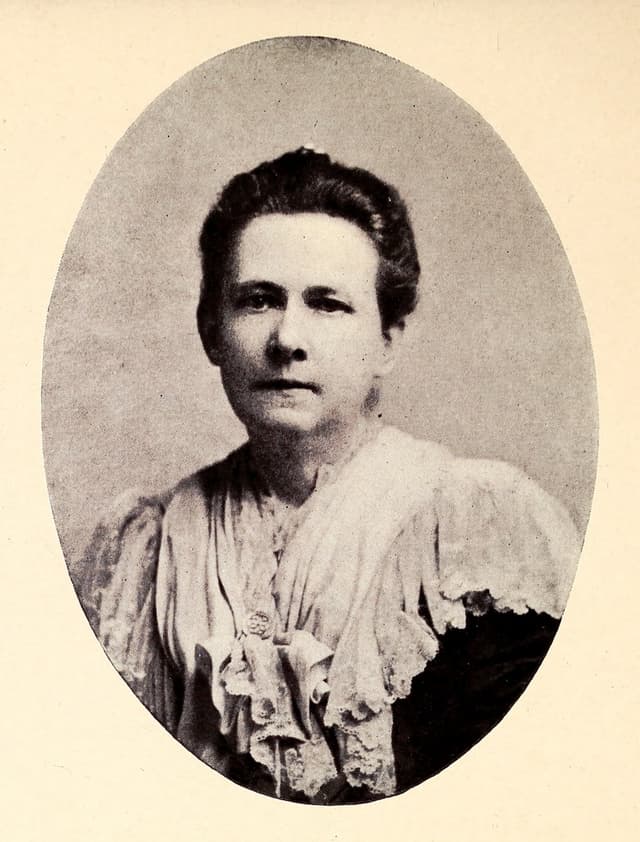
Florence Howe Hall
Florence Howe Hall was an influential American writer, critic, and lecturer who played a significant role in the women's suffrage movement in the United States. Born into a family of literary prominence, she collaborated with her sisters, Laura Elizabeth Richards and Maude Howe Elliott, to produce the first biography to win a Pulitzer Prize, 'Julia Ward Howe.' This work not only highlighted the life of the renowned abolitionist and suffragist but also underscored the contributions of women to American social reform during a pivotal era in history. Hall's literary contributions extended beyond her Pulitzer-winning biography, as she actively engaged in discussions surrounding women's rights and social issues of her time. Her advocacy for suffrage and her critical writings helped to elevate the discourse on women's roles in society. Through her lectures and writings, Hall left a lasting impact on the feminist movement, inspiring future generations to continue the fight for equality and justice. Her legacy endures as a testament to the power of women's voices in shaping societal change.
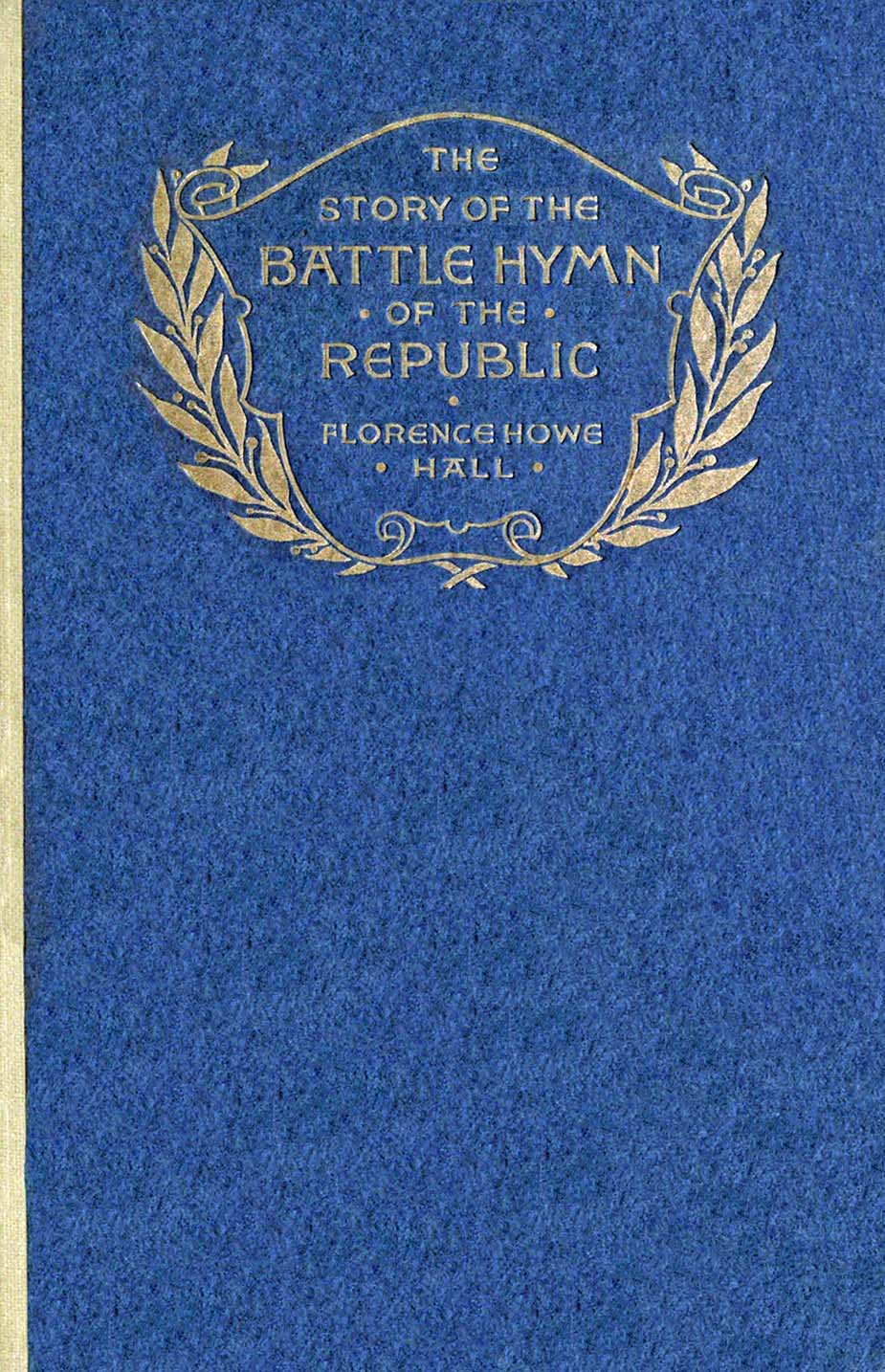
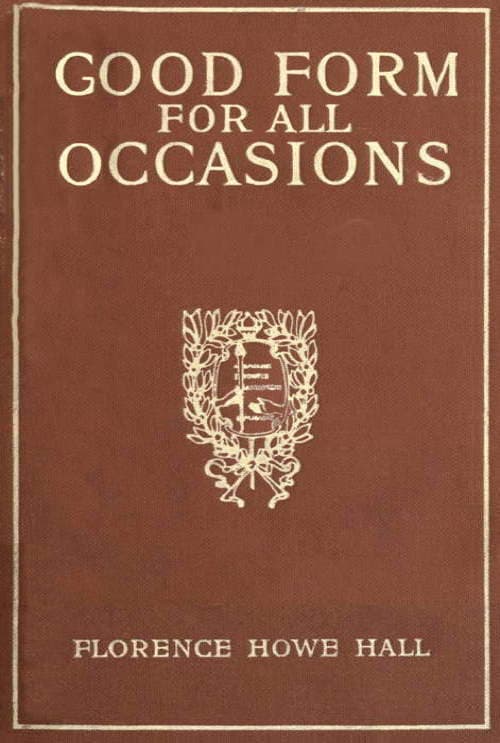
Books from the author



Link to this page
Add a free, dofollow link to Lex on your blog, forum, syllabus, or reading list.

<a href="https://lex-books.com/author/florence-howe-hall"><img src="https://lex-books.com/badges/read-on-lex.svg" alt="Florence Howe Hall on Lex" width="160" height="40"></a>[](https://lex-books.com/author/florence-howe-hall)[url=https://lex-books.com/author/florence-howe-hall][img]https://lex-books.com/badges/read-on-lex.svg[/img][/url]Florence Howe Hall on Lex: https://lex-books.com/author/florence-howe-hall