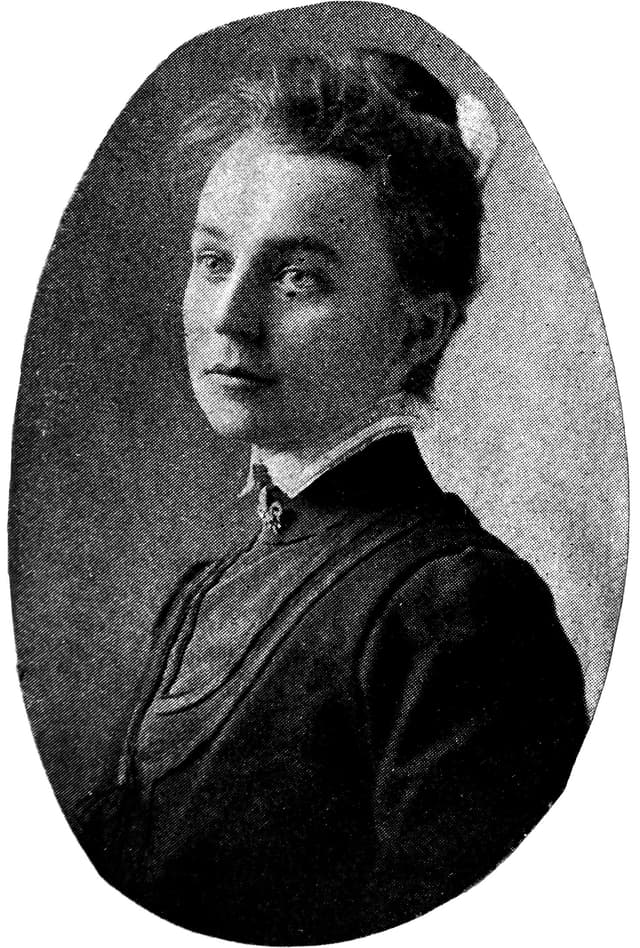
Fannie Hardy Eckstorm
Fannie Hardy Eckstorm was an influential American writer, ornithologist, and folklorist, renowned for her deep understanding of the history and culture of Maine. Born and raised in the state, she dedicated her life to documenting its wildlife, folklore, and traditions, becoming a leading authority on these subjects. Her notable works include 'Birds of Maine,' which showcased her expertise in ornithology, and 'The Maine Woods,' where she captured the essence of the region's natural beauty and cultural heritage. Eckstorm's writings reflect her passion for the environment and her commitment to preserving the stories and knowledge of her native land. Eckstorm's contributions to literature and science were significant, as she blended her scientific observations with rich narratives that celebrated Maine's unique character. Her work not only provided valuable insights into the state's avian life but also served to elevate the importance of local folklore and history. Through her writings, she fostered a greater appreciation for the natural world and the cultural narratives that shape regional identities. Fannie Hardy Eckstorm's legacy endures as a testament to the power of place and the importance of documenting the stories that define communities.
Famous Quotes
View all 2 quotes“One never knows the idyllic charm of our northern woods who has not seen them in April, when it is all a feast of birds and buds and waking life. Midsummer does not compare with this. This month belongs to the birds and flowers; but most of all to the robin. I cannot tell this story without giving the robins the place which I know they must have had in it, — great husky fellows, as red as blood in the lifting between showers that made a golden sunset, sitting high in the treetops and splitting their throats with their rain-carol, singing in jubilance at being back again, glad to find once more the corner of the earth that they were born in, and trolling forth such lusty music that all their pertness and swagger and pilfering of a later date is forgiven in advance. Of all the birds of springtime, I would like best to be the robin just getting back to his old home; for it is brave and blithe and bonny that he is, and he is April to all of us in the far north.”
“Very unchivalrous the world counts these woodsmen; — very little the world knows about their ways and romances, for nowhere does romance bear a more fragrant blossom or bloom so long. The sprig of cedar, many years preserved, because with it a woman crowned an act of daring; the wild flower, pressed in the crumpled corner of a greasy pocketbook, because a woman called it beautiful; the chance track in the roadway where a week before an unknown woman stepped, kept from obliteration just because she was a woman, — no line of life that men follow to-day comes so close to the high mark of mediaeval chivalry with its superb faith in womankind, regardless of the faults of individual women. But the life is rough? So surely was chivalry! Rougher than we know for. Its faith saved it; and what grew into mariolatry in the past is still, in the unromantic present, the better part of many other rough men's religion.”
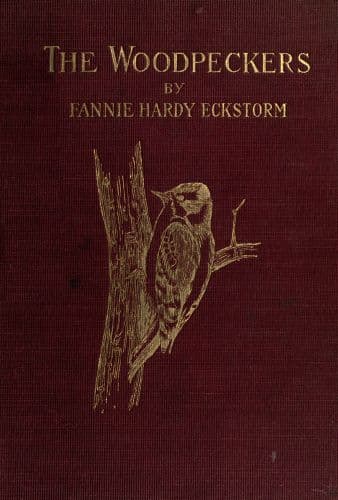
Books from the author


Link to this page
Add a free, dofollow link to Lex on your blog, forum, syllabus, or reading list.

<a href="https://lex-books.com/author/fannie-hardy-eckstorm"><img src="https://lex-books.com/badges/read-on-lex.svg" alt="Fannie Hardy Eckstorm on Lex" width="160" height="40"></a>[](https://lex-books.com/author/fannie-hardy-eckstorm)[url=https://lex-books.com/author/fannie-hardy-eckstorm][img]https://lex-books.com/badges/read-on-lex.svg[/img][/url]Fannie Hardy Eckstorm on Lex: https://lex-books.com/author/fannie-hardy-eckstorm