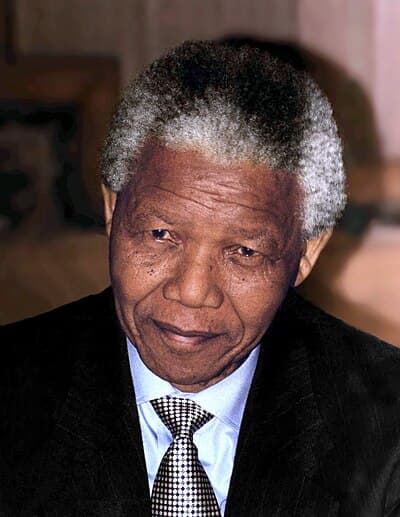
Ernesto Nelson
Ernesto 'Che' Guevara was an Argentine Marxist revolutionary and a pivotal figure in the Cuban Revolution. Born into a middle-class family, he studied medicine before becoming involved in revolutionary activities across Latin America. Guevara's experiences traveling through the continent shaped his political beliefs and led him to embrace Marxism as a means to combat imperialism and social injustice. He played a crucial role in the Cuban Revolution alongside Fidel Castro, serving as a key military leader and later as a government official in Cuba, where he sought to implement socialist reforms and promote guerrilla warfare as a revolutionary strategy. Guevara authored several influential works, including 'The Motorcycle Diaries,' which chronicles his formative travels and ideological awakening, and 'Guerrilla Warfare,' a manual that has inspired revolutionary movements worldwide. His writings reflect a deep commitment to anti-imperialism and social equity, making him a symbol of rebellion and a controversial figure in both historical and contemporary contexts. Despite his execution in Bolivia in 1967, Guevara's legacy endures, as his image and ideas continue to resonate in various social and political movements around the globe, marking him as a significant figure in 20th-century revolutionary thought.
Books from the author

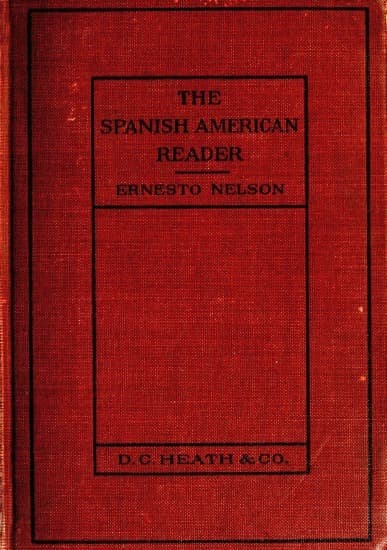
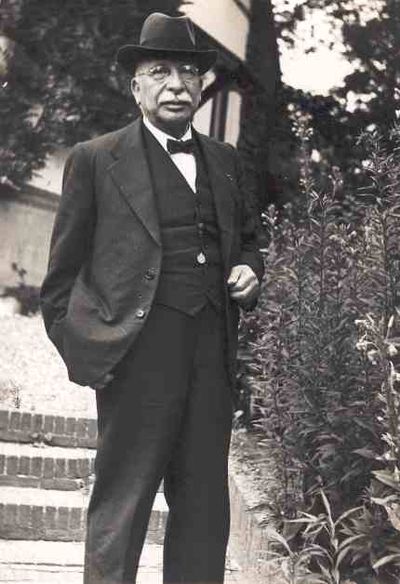



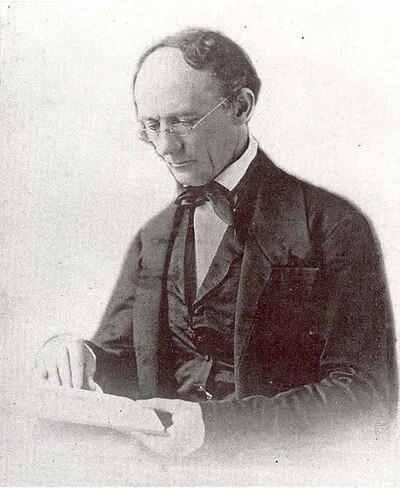
Link to this page
Add a free, dofollow link to Lex on your blog, forum, syllabus, or reading list.

<a href="https://lex-books.com/author/ernesto-nelson"><img src="https://lex-books.com/badges/read-on-lex.svg" alt="Ernesto Nelson on Lex" width="160" height="40"></a>[](https://lex-books.com/author/ernesto-nelson)[url=https://lex-books.com/author/ernesto-nelson][img]https://lex-books.com/badges/read-on-lex.svg[/img][/url]Ernesto Nelson on Lex: https://lex-books.com/author/ernesto-nelson