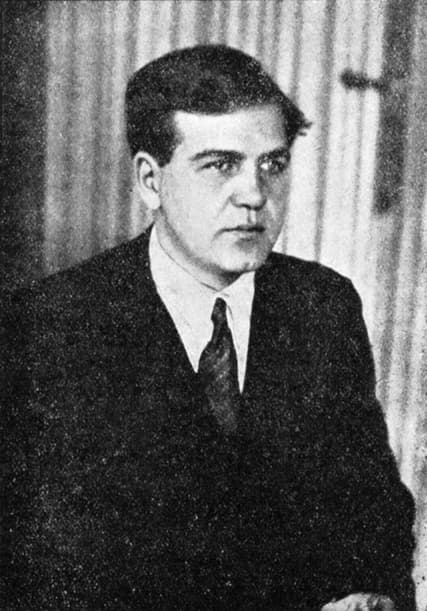
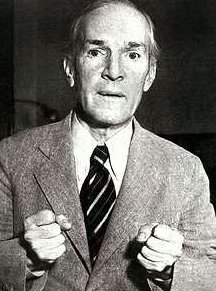
Emmanuel Bove
Emmanuel Bove was a French writer known for his introspective and often melancholic prose. Born in Paris, he began his literary career in the 1920s, gaining recognition for his unique narrative style that delved into the complexities of human emotions and relationships. Bove's works often reflected his own experiences of alienation and existential contemplation, themes that resonated deeply in the post-World War I literary landscape. His notable works include 'Mes amis' and 'Le Puits', which showcase his ability to capture the nuances of everyday life and the inner struggles of his characters. Bove's literary significance lies in his exploration of the human condition through a lens of sensitivity and realism, marking him as a precursor to the existentialist movement in French literature. Despite his relatively short life and the overshadowing of his work by contemporaries, he influenced later writers with his introspective style and focus on the individual's emotional landscape. His legacy endures as a testament to the power of personal narrative and the exploration of solitude, making him a noteworthy figure in 20th-century literature.
Famous Quotes
View all 3 quotes“Solitude, what a sad and beautiful thing it is! How beautiful when we choose it! How sad when it is forced upon us year after year! Some strong men are not lonely when they are alone, but I, who am weak, am lonely when I have no friends.”
“a man like me, who does not work, who does not want to work, will always be disliked. In that house full of working people , I was the madman that, deep down, everyone wanted to be. I was the one who went without food, the cinema, warm clothes, to be free. I was the one who, without meaning to, daily reminded people of their wretched state. people have not forgiven me for being free and for not being afraid of poverty.”
“People feel sorry for you if you sit down on a bench in the evening.”
Books from the author

Link to this page
Add a free, dofollow link to Lex on your blog, forum, syllabus, or reading list.

<a href="https://lex-books.com/author/emmanuel-bove"><img src="https://lex-books.com/badges/read-on-lex.svg" alt="Emmanuel Bove on Lex" width="160" height="40"></a>[](https://lex-books.com/author/emmanuel-bove)[url=https://lex-books.com/author/emmanuel-bove][img]https://lex-books.com/badges/read-on-lex.svg[/img][/url]Emmanuel Bove on Lex: https://lex-books.com/author/emmanuel-bove