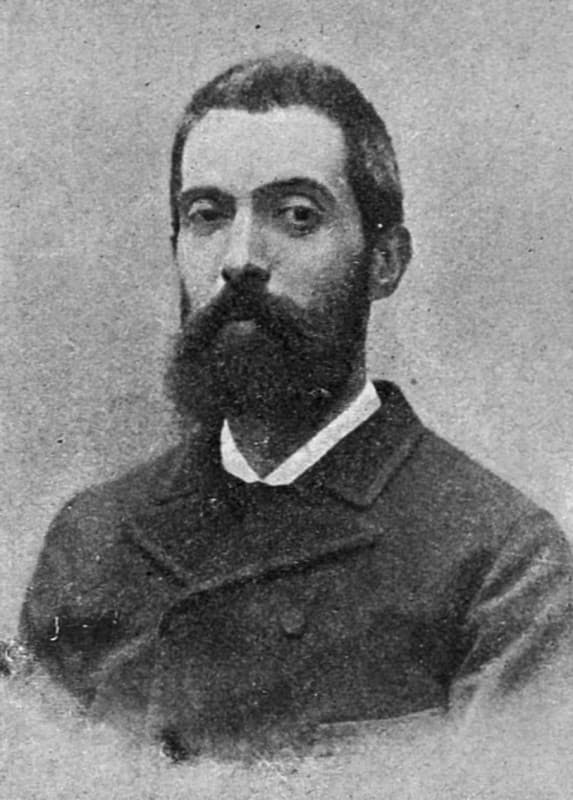
Emilio De Marchi
Emilio De Marchi was an Italian novelist celebrated for his vivid depictions of Milan and Lombardy during the 19th century. His works often explored the complexities of urban life and the human condition, reflecting the social and cultural dynamics of his time. Among his notable contributions to literature is the 1887 crime novel 'Il cappello del prete,' which intricately weaves elements of suspense and social commentary, showcasing his ability to blend genres and engage readers with compelling narratives. De Marchi's literary significance lies in his detailed portrayal of the changing landscape of Italian society, particularly in urban settings. His narratives not only entertained but also provoked thought about the moral and ethical dilemmas faced by individuals in a rapidly modernizing world. Despite his relatively short life, his works left a lasting impact on Italian literature, influencing future writers and contributing to the development of the crime fiction genre in Italy. De Marchi's legacy endures as a reflection of the rich cultural tapestry of 19th-century Italy, capturing the essence of a society in transition.
Famous Quotes
View all 1 quotes“Il paradiso e l'inferno sono in fondo a un sacchetto. Tu vi cacci la mano e tiri a sorte...”
Books from the author






Link to this page
Add a free, dofollow link to Lex on your blog, forum, syllabus, or reading list.

<a href="https://lex-books.com/author/emilio-de-marchi"><img src="https://lex-books.com/badges/read-on-lex.svg" alt="Emilio De Marchi on Lex" width="160" height="40"></a>[](https://lex-books.com/author/emilio-de-marchi)[url=https://lex-books.com/author/emilio-de-marchi][img]https://lex-books.com/badges/read-on-lex.svg[/img][/url]Emilio De Marchi on Lex: https://lex-books.com/author/emilio-de-marchi