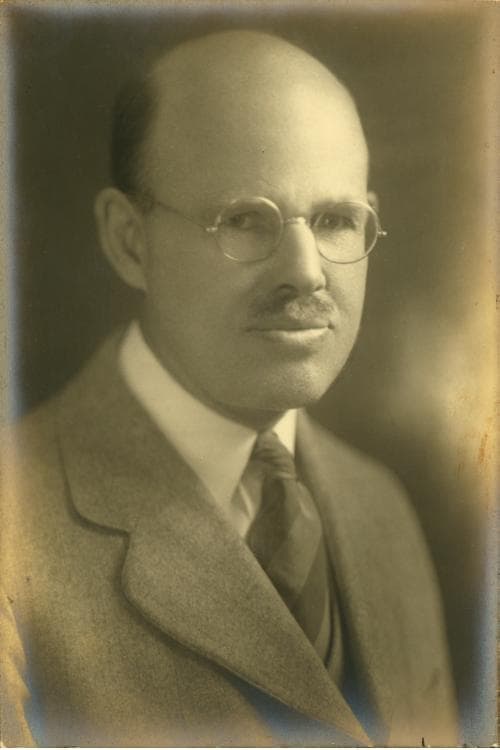
Ellsworth Huntington
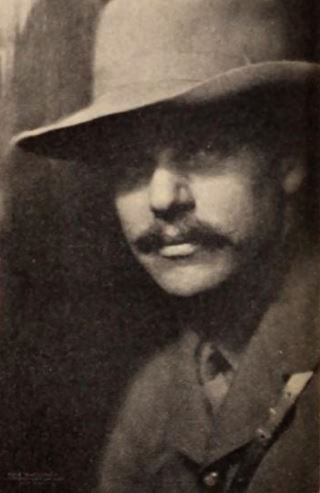
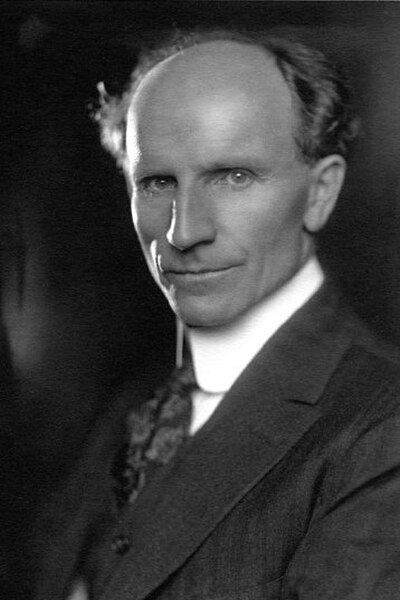
Ellsworth Huntington was a prominent American geographer and professor at Yale University, recognized for his pioneering work in environmental determinism and economic geography. His academic journey began with teaching at Euphrates College in Turkey, where he developed a keen interest in the relationship between climate and human development. This interest culminated in significant publications such as 'Explorations in Turkestan' (1905) and 'The Pulse of Asia' (1907), where he explored the impact of geography on the cultures and histories of Central Asia. His expeditions, including the Yale-led mission to Palestine in 1909, further enriched his understanding of how environmental factors shape societal evolution. Huntington's theories posited that climate and geography were crucial determinants of economic and social development, a perspective that sparked both interest and controversy in the academic community. He served as president of the Ecological Society of America and the Association of American Geographers, and he was also involved with the American Eugenics Society, reflecting the complex and often contentious nature of his work. His legacy lies in his influential ideas that contributed to the fields of geography and environmental studies, as well as his role in shaping discussions around the interplay of environment and human behavior, which continue to resonate in contemporary geographic thought.
Famous Quotes
View all 1 quotes“History in its broadest aspect is a record of man's migrations from one environment to another.”
Books from the author


Link to this page
Add a free, dofollow link to Lex on your blog, forum, syllabus, or reading list.

<a href="https://lex-books.com/author/ellsworth-huntington"><img src="https://lex-books.com/badges/read-on-lex.svg" alt="Ellsworth Huntington on Lex" width="160" height="40"></a>[](https://lex-books.com/author/ellsworth-huntington)[url=https://lex-books.com/author/ellsworth-huntington][img]https://lex-books.com/badges/read-on-lex.svg[/img][/url]Ellsworth Huntington on Lex: https://lex-books.com/author/ellsworth-huntington