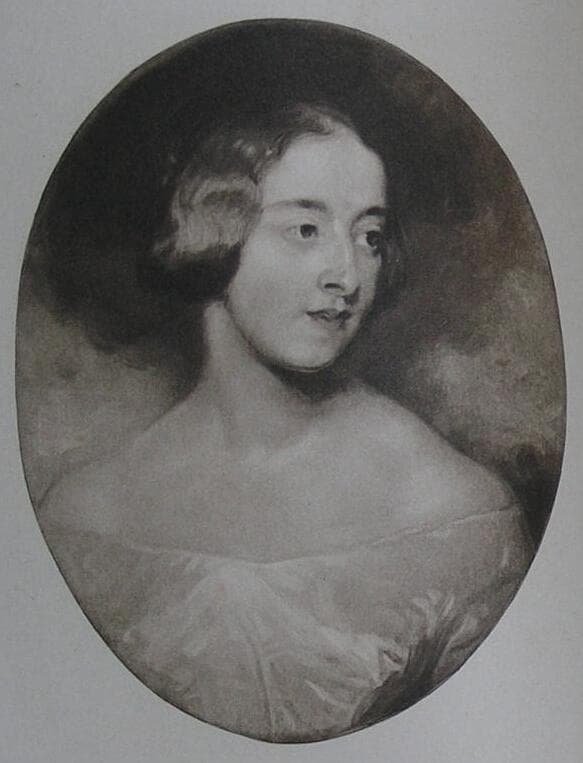
Elizabeth Rundle Charles
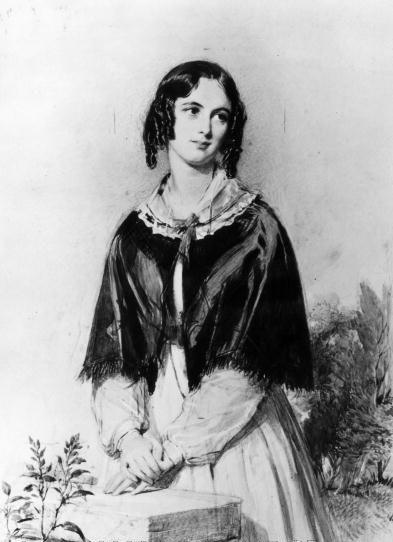
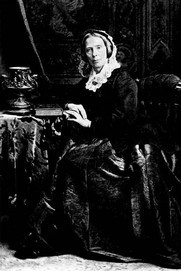
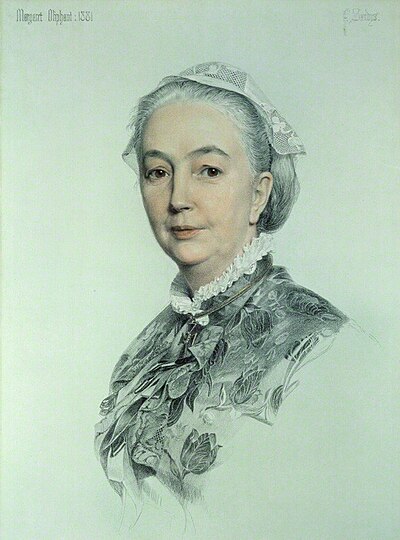
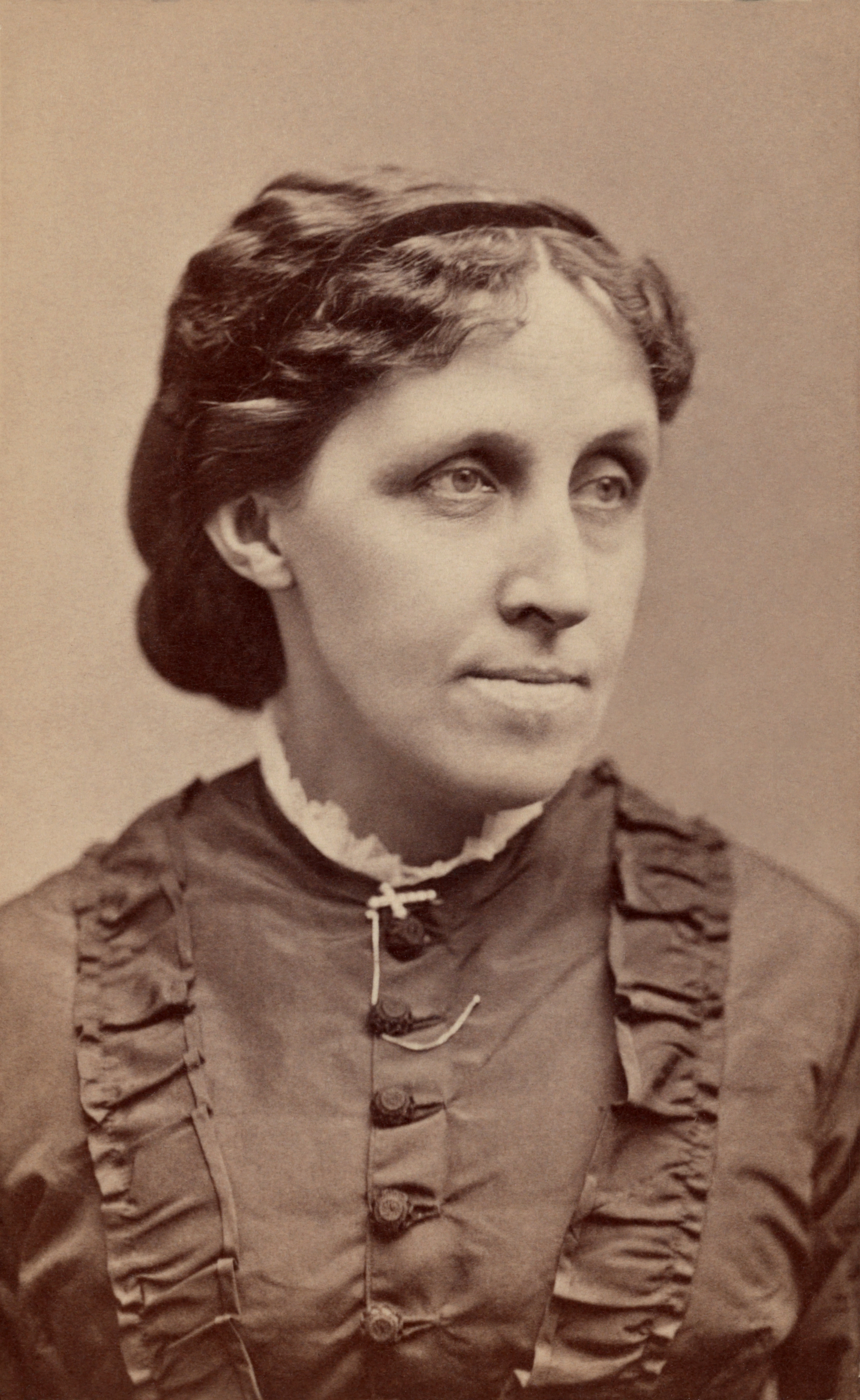
Elizabeth Rundle Charles was an English writer known for her contributions to literature in the 19th century. Born in Tavistock, Devon, she was the daughter of John Rundle, a Member of Parliament. Her early talent for poetry garnered the attention of notable figures, including Alfred Lord Tennyson, who praised her youthful works. In 1851, she married Andrew Paton Charles, which marked a significant period in her life as she continued to write and engage with the literary community. Charles's literary output included novels, poetry, and religious works, reflecting her affiliation with the Anglican Church. Her writings often explored themes of faith and morality, resonating with the Victorian audience. Though not as widely recognized today, her works contributed to the broader tapestry of Victorian literature, and she remains a figure of interest for those studying the era's female authors and their impact on society. Elizabeth Rundle Charles passed away in Hampstead, London, leaving behind a legacy that highlights the role of women in literature during a time of significant cultural change.
Famous Quotes
View all 1 quotes“It is the truth which is assailed in any age which tests our fidelity. It is to confess we are called, not merely to profess. If I profess, with the loudest voice and the clearest exposition, every portion of the truth of God except precisely that little point which the world and the devil are at that moment attacking, I am not confessing Christ, however boldly I may be professing Christianity. Where the battle rages the loyalty of the soldier is proved; and to be steady on all the battle-field besides is mere flight and disgrace to him if he flinches at that one point.””
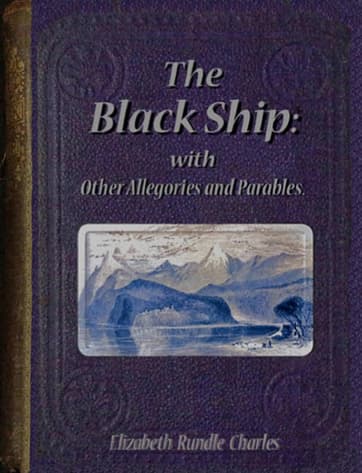
Books from the author
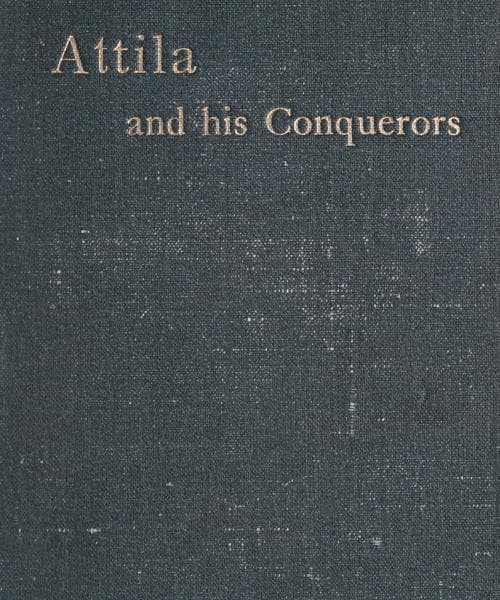
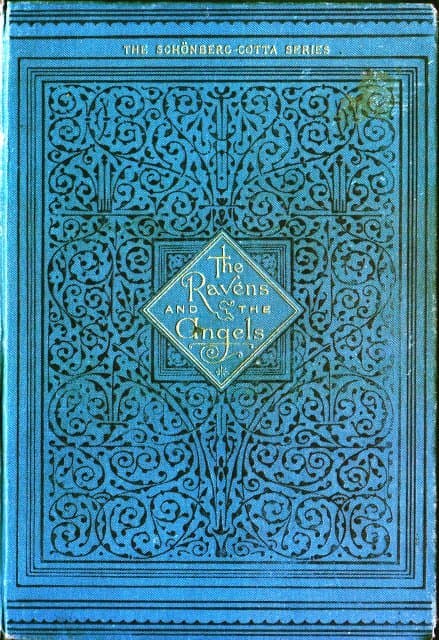
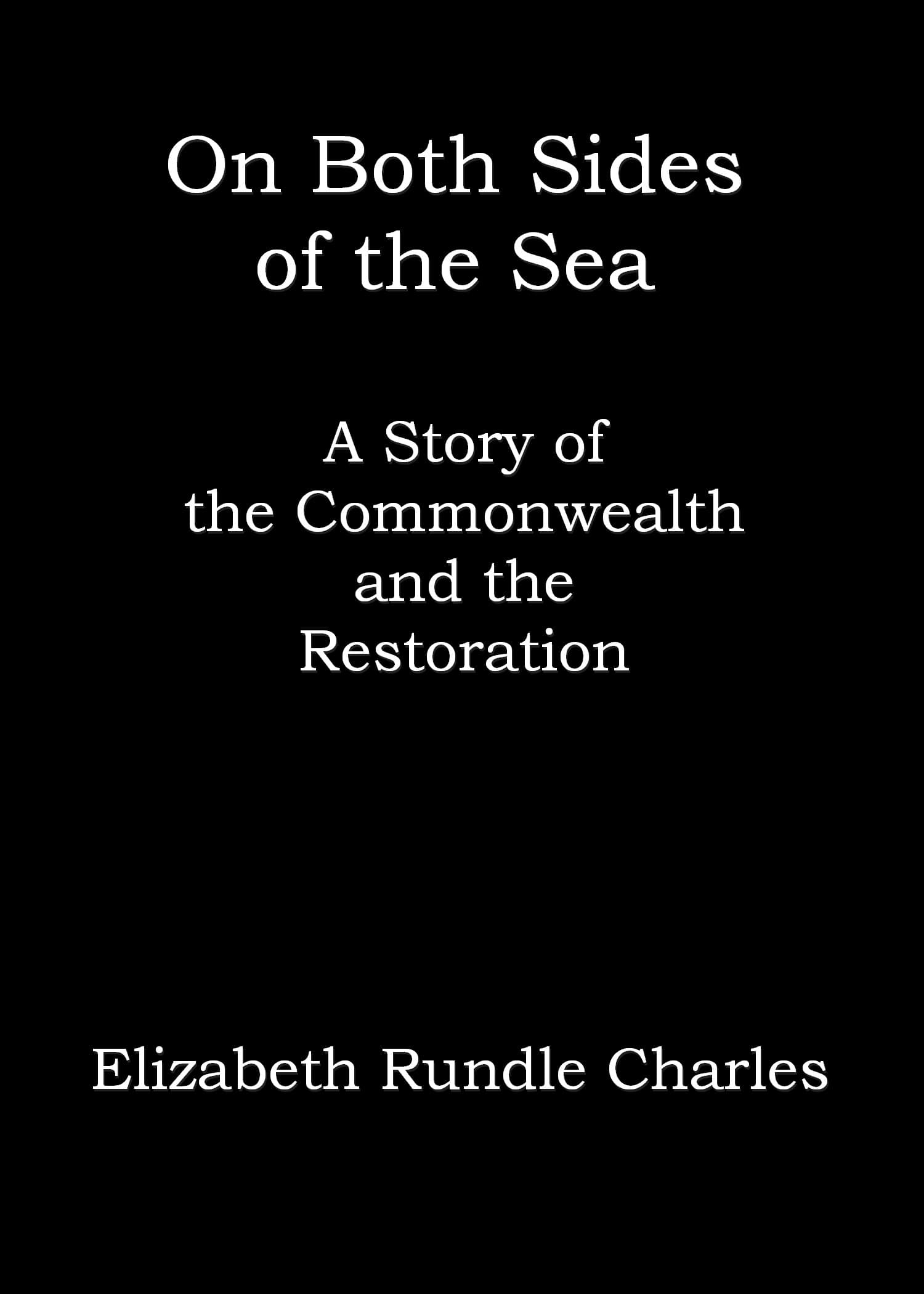



Link to this page
Add a free, dofollow link to Lex on your blog, forum, syllabus, or reading list.

<a href="https://lex-books.com/author/elizabeth-rundle-charles"><img src="https://lex-books.com/badges/read-on-lex.svg" alt="Elizabeth Rundle Charles on Lex" width="160" height="40"></a>[](https://lex-books.com/author/elizabeth-rundle-charles)[url=https://lex-books.com/author/elizabeth-rundle-charles][img]https://lex-books.com/badges/read-on-lex.svg[/img][/url]Elizabeth Rundle Charles on Lex: https://lex-books.com/author/elizabeth-rundle-charles