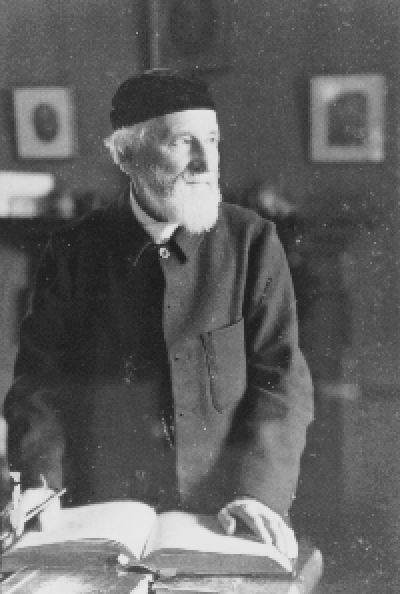
Edwin Abbott Abbott
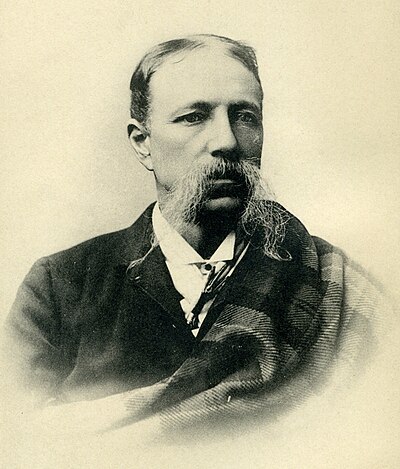
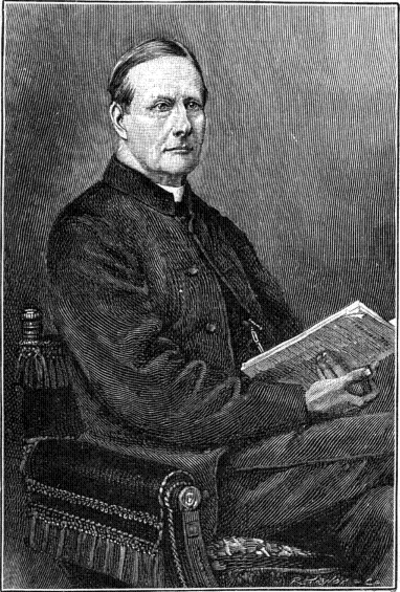
Edwin Abbott Abbott was an English schoolmaster, theologian, and Anglican priest, renowned for his innovative novella, Flatland, published in 1884. This work, set in a two-dimensional world inhabited by geometric shapes, served as a satirical commentary on the rigid social hierarchy of Victorian society and offered profound insights into dimensions and perspectives. Abbott's unique approach to blending mathematics with social critique distinguished him as a pioneer in speculative fiction, influencing both literary and mathematical discourse. In addition to Flatland, Abbott authored several other works, including theological texts and educational writings, but none achieved the same level of acclaim. His legacy endures through Flatland, which continues to be studied for its imaginative exploration of dimensionality and its critique of societal norms. Abbott's ability to convey complex ideas through accessible narratives has cemented his place in literary history as a significant figure in both literature and mathematics.
Famous Quotes
View all 20 quotes“...learn this lesson, that to be self-contented is to be vile and ignorant, and that to aspire is better than to be blindly and impotently happy..””
“Behold yon miserable creature. That Point is a Being like ourselves, but confined to the non-dimensional Gulf. He is himself his own World, his own Universe; of any other than himself he can form no conception; he knows not Length, nor Breadth, nor Height, for he has had no experience of them; he has no cognizance even of the number Two; nor has he a thought of Plurality, for he is himself his One and All, being really Nothing. Yet mark his perfect self-contentment, and hence learn this lesson, that to be self-contented is to be vile and ignorant, and that to aspire is better than to be blindly and impotently happy.””
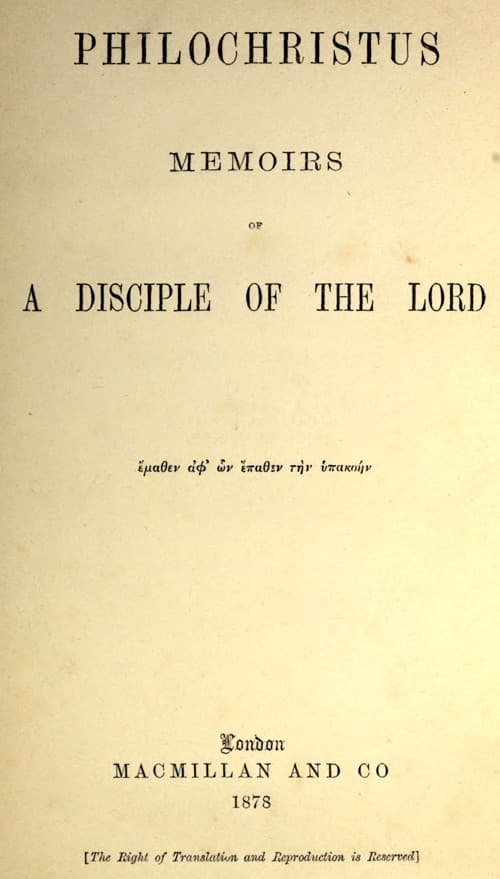
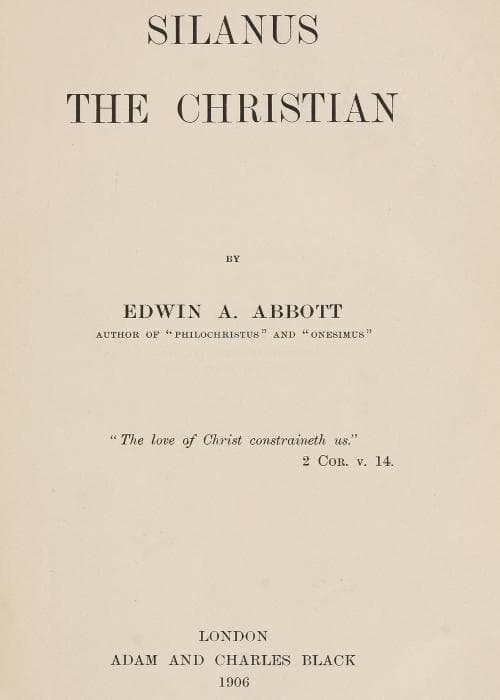
Books from the author



Link to this page
Add a free, dofollow link to Lex on your blog, forum, syllabus, or reading list.

<a href="https://lex-books.com/author/edwin-abbott-abbott"><img src="https://lex-books.com/badges/read-on-lex.svg" alt="Edwin Abbott Abbott on Lex" width="160" height="40"></a>[](https://lex-books.com/author/edwin-abbott-abbott)[url=https://lex-books.com/author/edwin-abbott-abbott][img]https://lex-books.com/badges/read-on-lex.svg[/img][/url]Edwin Abbott Abbott on Lex: https://lex-books.com/author/edwin-abbott-abbott