Edward Morton
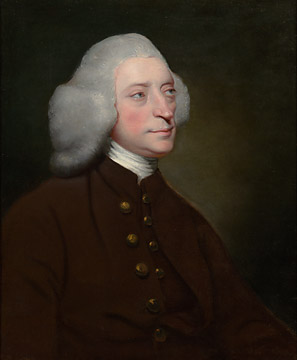
Edward Morton was an English writer and traveler known for his insightful observations and explorations of various subjects, particularly in the realms of health and geography. His notable work, "Remarks on the Subject of Lactation," reflects his interest in maternal and child health, offering a perspective that was progressive for its time. This work contributed to the discourse on breastfeeding and its implications for both mothers and infants, showcasing Morton's engagement with contemporary medical and social issues. In addition to his contributions to health literature, Morton is recognized for his travel writings, particularly in "Travels in Russia, and a residence at St. Petersburg and Odessa, in the years 1827-1829." This account provides a vivid depiction of Russian society during a transformative period, marked by political and cultural shifts. Through his detailed observations, Morton not only chronicled his experiences but also offered insights into the complexities of Russian life, making his work valuable for both historical and literary studies. His legacy lies in his ability to blend personal narrative with broader social commentary, enriching the literary landscape of his time.
Famous Quotes
View all 16 quotes“It's her. The woman from the photo."The plate was foxed around the edges, but the painting at its center was still intact. The annotation beneath gave the title as and the artist's name, Edward Radcliffe. The woman in the painting was lying in a fantastical treetop bower of leaves and flower buds, all of which were waiting in stasis for the chance to bloom. Birds and insects were interspersed amongst the woven branches; long red hair flowed in waves around her sleeping face, which was glorious in repose. Her eyes were closed, but the features of her face- the elegant cheekbones and bow lips- were unmistakable."She was his model," Elodie whispered.””
“Edward confessed to me that for all of the tales of mystery and horror that he had read and heard and invented for his sisters, the night in the clearing of the woods, when he fled for his life and sought refuge in this house, was his first experience of true fear. It changed him, he said: terror opened up something inside him that could never be properly sealed. I know now exactly what he meant. True fear is indelible; the sensation does not recede, even when the cause is long forgotten. It is a new way of seeing the world: the opening of a door that can never be closed again.””
“The sketchbook was still open on the table and I rushed to it.It was the one that Edward used over the summer of 1862. I had sat beside him while he made those very lines on that piece of cotton paper: studies for the painting he had planned, something he had been thinking about for years. On the following pages, I knew, were his sketches of the clearing in the woods and the fairy mound and a stone croft by the river, and at the bottom corner of one, in loose scratched lines, the heart he had penned, and the ship on the wide sea, as we spoke excitedly of our plans.””
Books from the author




Link to this page
Add a free, dofollow link to Lex on your blog, forum, syllabus, or reading list.

<a href="https://lex-books.com/author/edward-morton"><img src="https://lex-books.com/badges/read-on-lex.svg" alt="Edward Morton on Lex" width="160" height="40"></a>[](https://lex-books.com/author/edward-morton)[url=https://lex-books.com/author/edward-morton][img]https://lex-books.com/badges/read-on-lex.svg[/img][/url]Edward Morton on Lex: https://lex-books.com/author/edward-morton