
E. Hoffmann Price
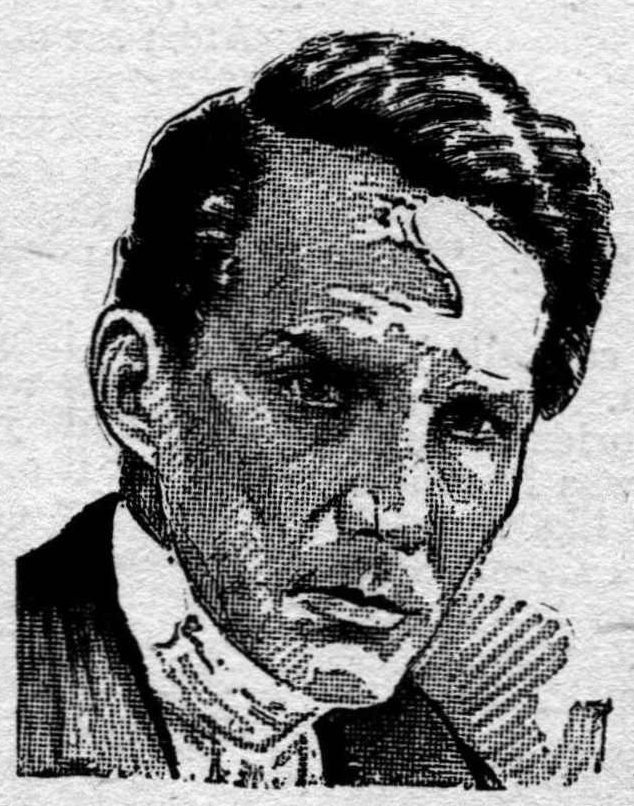
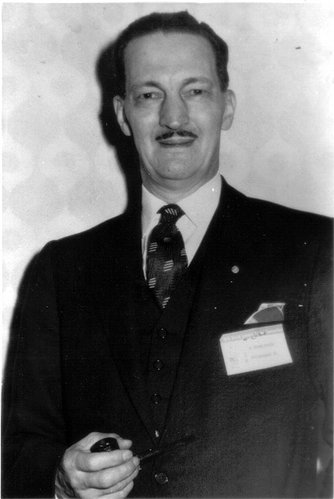
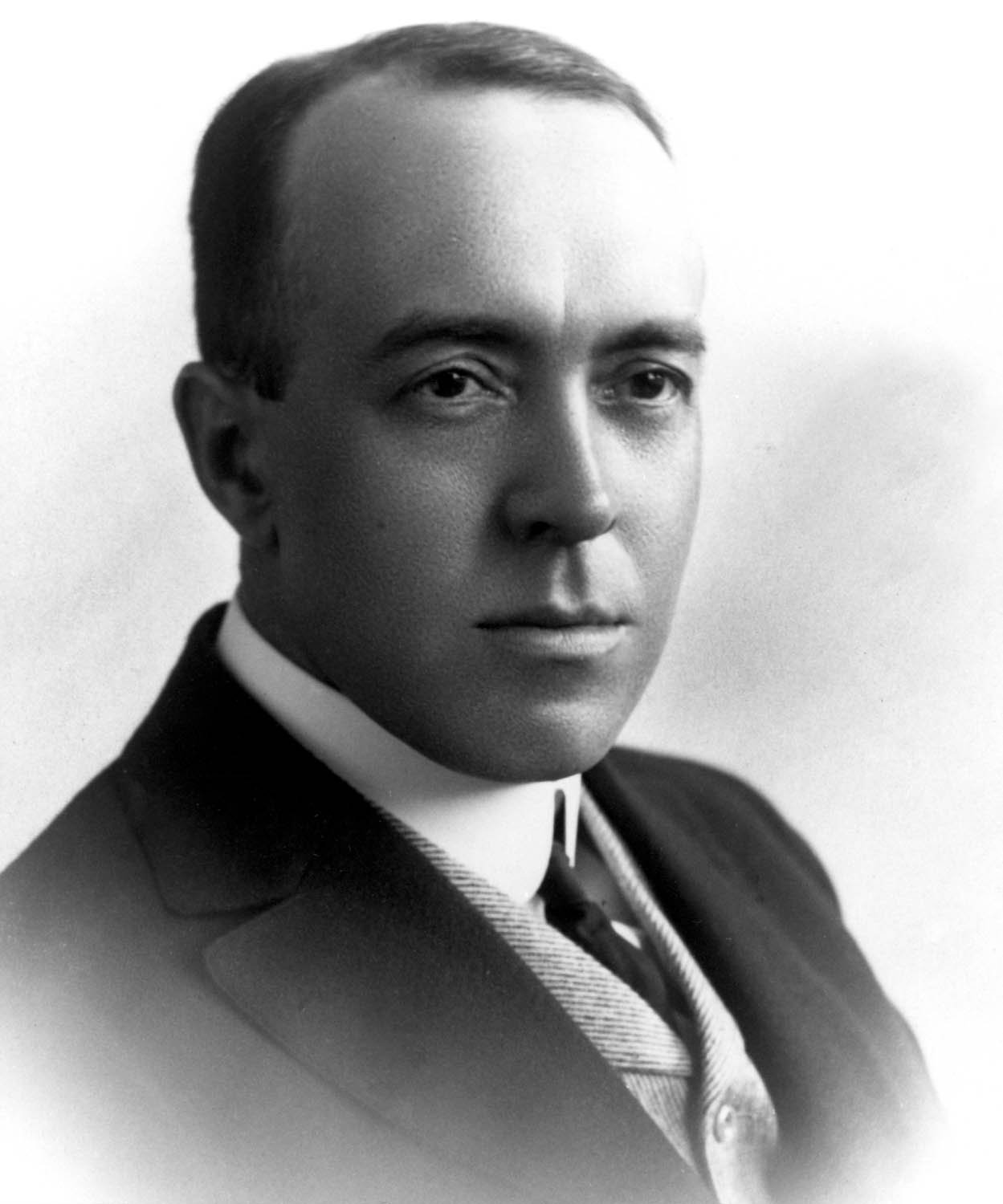
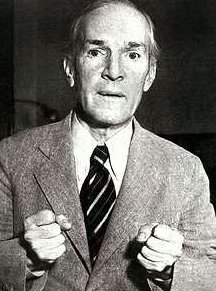
E. Hoffmann Price was an American writer known for his contributions to the pulp fiction genre, particularly during the early to mid-20th century. Born Edgar Hoffmann Trooper Price, he became a prominent figure in the world of speculative fiction, often collaborating with notable contemporaries, including H. P. Lovecraft. One of his most recognized works is 'Through the Gates of the Silver Key,' a collaboration with Lovecraft that expanded upon the mythos of the Cthulhu universe, showcasing Price's imaginative storytelling and ability to weave complex narratives. Throughout his career, Price wrote a plethora of short stories and novels that explored themes of horror, fantasy, and science fiction, contributing significantly to the pulp magazine marketplace. His works often featured rich, atmospheric settings and intricate plots that captivated readers of the time. Price's legacy endures as a key figure in the development of American speculative fiction, influencing future generations of writers and leaving an indelible mark on the genre's evolution.
Famous Quotes
View all 3 quotes“There are dread secrets that none may know and have peace. More, secrets that render whosoever knoweth them an alien unto the tribe he belongs to, that cause him to walk alone on earth, for he who takes, pays.”
“The unknown characters of writing seem to be endowed with an evil of life of their own as though sentient, and fain would wrest themselves forth from the parchment and wreak mischief on whomsoever gazes upon them.”
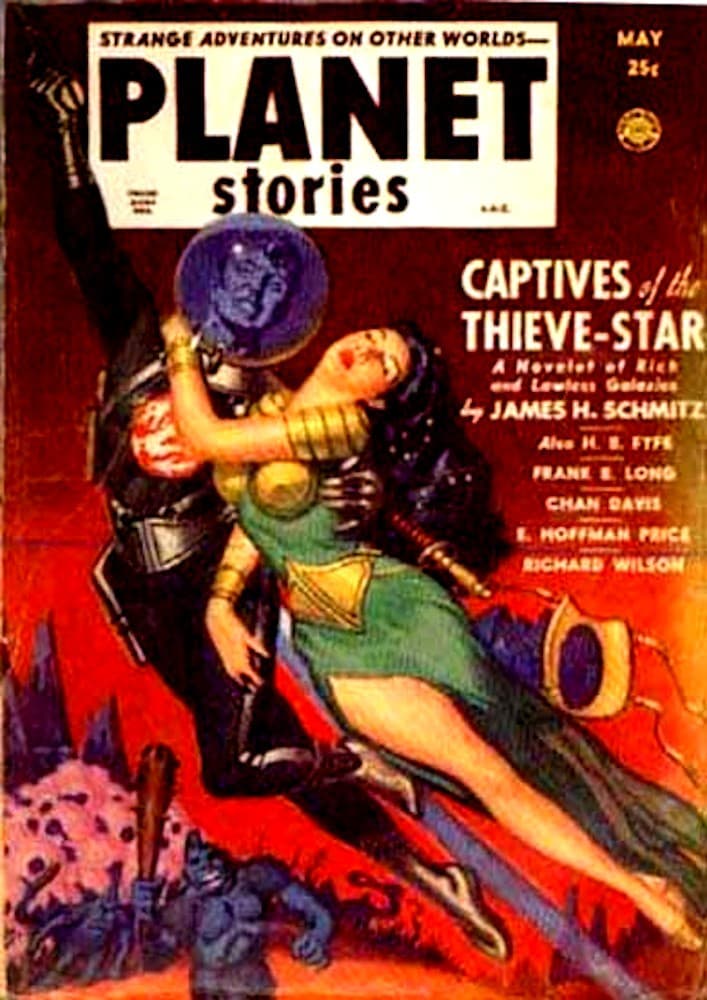
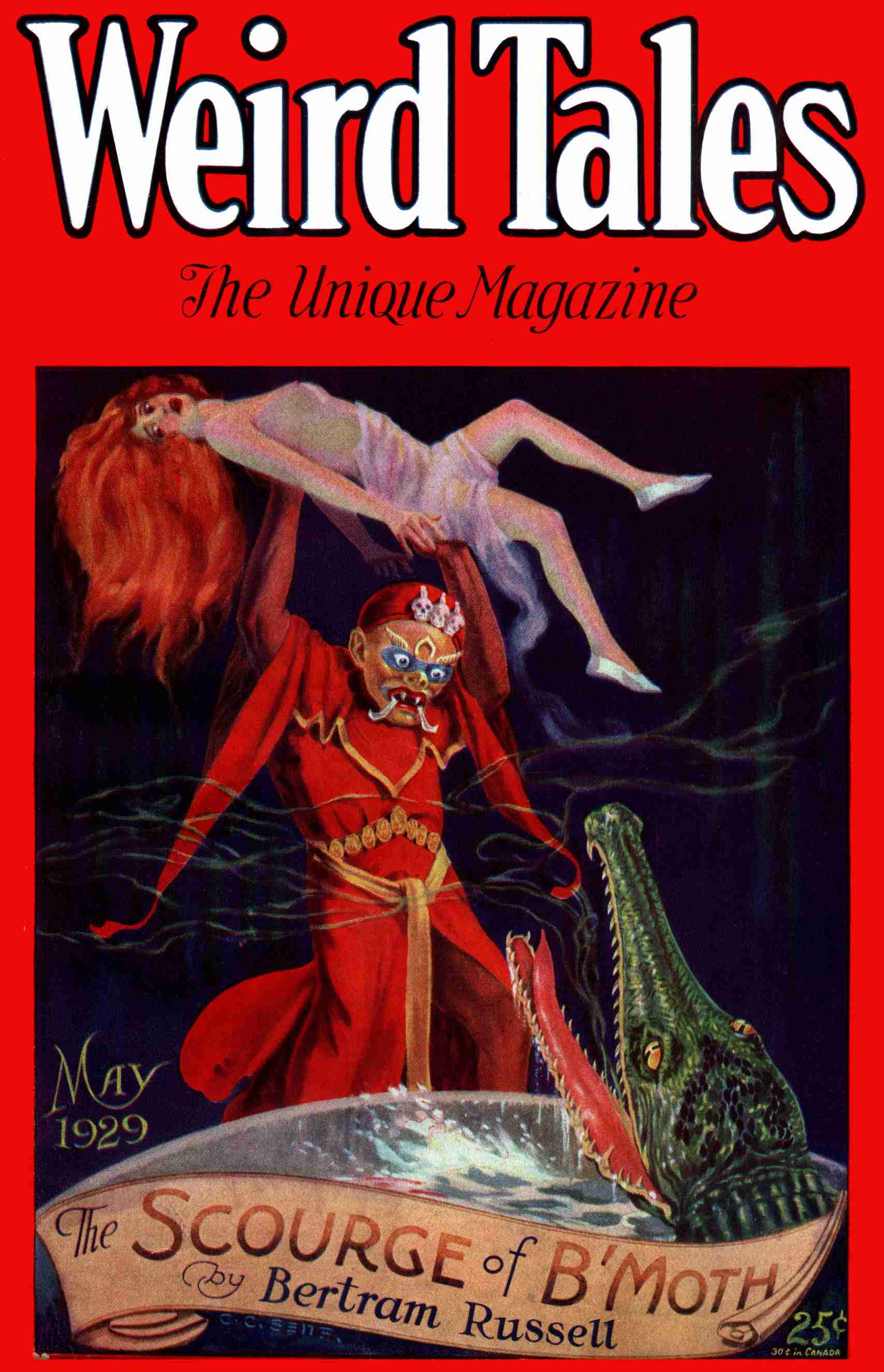
“You took them home in a plain brown wrapper. You really didn’t want your mother, children, or respectable wife to find you reading them. The ladies in such stories lost their clothes with surprising frequency. Covers and story situations involved lots of bondage, torture, and violence, much of it a tease. Close analysis of the texts will reveal what parts of the female anatomy had to be described in each story with prescribed euphemisms and what parts could not be described at all. The illustrations, even in a medium noted for luridness, are astonishingly explicit, pushing the boundaries of what could be sent through the mails or displayed in public to the absolute limit at the time—and indeed these magazines were often sold under the counter.”
Books from the author







Link to this page
Add a free, dofollow link to Lex on your blog, forum, syllabus, or reading list.

<a href="https://lex-books.com/author/e-hoffmann-price"><img src="https://lex-books.com/badges/read-on-lex.svg" alt="E. Hoffmann Price on Lex" width="160" height="40"></a>[](https://lex-books.com/author/e-hoffmann-price)[url=https://lex-books.com/author/e-hoffmann-price][img]https://lex-books.com/badges/read-on-lex.svg[/img][/url]E. Hoffmann Price on Lex: https://lex-books.com/author/e-hoffmann-price