
Don Watson
Don Watson is an Australian author, screenwriter, and former political adviser known for his incisive commentary on language and politics. He began his career as a speechwriter for prominent political figures, which provided him with a unique perspective on the intersection of language and power. His works often explore the nuances of communication and the impact of political rhetoric on society. Watson's notable books include 'Death Sentence: The Decay of Public Language,' where he critiques the deterioration of public discourse, and 'The Bush,' a reflective exploration of the Australian landscape and identity. Through his writing, Watson has established himself as a significant voice in contemporary Australian literature, blending personal narrative with broader societal themes. His contributions extend beyond literature, influencing public thought on the importance of clarity and integrity in communication.
Famous Quotes
View all 2 quotes“For Hindus, banyan trees are sacred. For Buddhists, bodhi trees; for the Arabs, certain date palms. To be stalwart in a ‘tree-like’ way was to approach goodness, according to Confucius. The Normans built chapels in the trunks of yew trees. Many other cultures attached religious significance to particular trees and groves and forests. Adonis was born of a tree. Daphne turned into one. George Washington confessed to cutting one down and the United States, as a result, was all but immaculately conceived. The tree is the symbol of the male organ and of the female body. The Hebrew kabbalah depicts Creation in the form of a tree. In Genesis, a tree holds the key to immortal life, and it is to the branches and fruit of an olive tree that God’s people are likened in both the Old and New Testaments. To celebrate the birth of Christ his followers place trees in their sitting rooms and palm fronds, a symbol of victory, commemorate his entering Jerusalem. A child noted by Freud had fantasies of wounding a tree that represented his mother. The immortal swagman of Australia sat beneath a coolabah tree. In hundreds of Australian towns the war dead are honoured by avenues of trees.”
“Hubris is an incurable American disease. As incurable as the military-industrial machine that keeps coming up with the armaments that make wars seem like slam dunks, but which last for decades; wars that are fought by a very small percentage of the population and, regular effusive acknowledgement of veterans notwithstanding, can be ignored for years.”
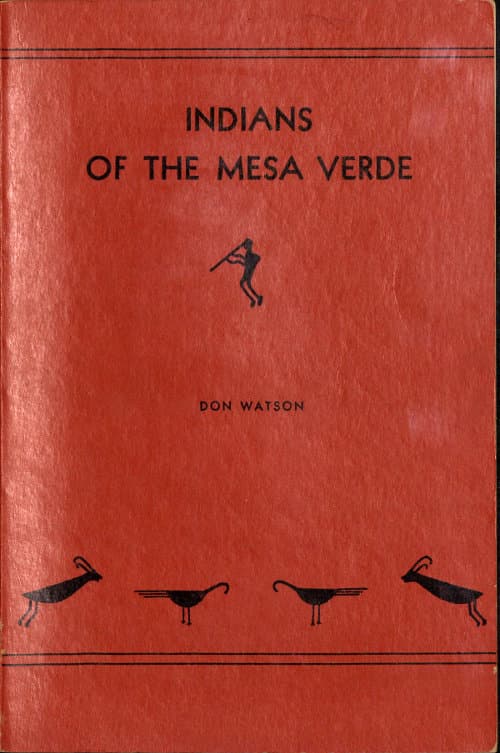
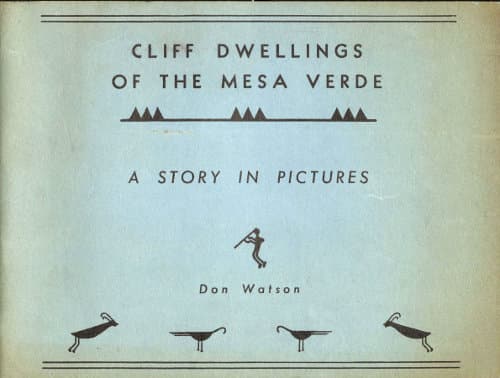
Books from the author






Link to this page
Add a free, dofollow link to Lex on your blog, forum, syllabus, or reading list.

<a href="https://lex-books.com/author/don-watson"><img src="https://lex-books.com/badges/read-on-lex.svg" alt="Don Watson on Lex" width="160" height="40"></a>[](https://lex-books.com/author/don-watson)[url=https://lex-books.com/author/don-watson][img]https://lex-books.com/badges/read-on-lex.svg[/img][/url]Don Watson on Lex: https://lex-books.com/author/don-watson