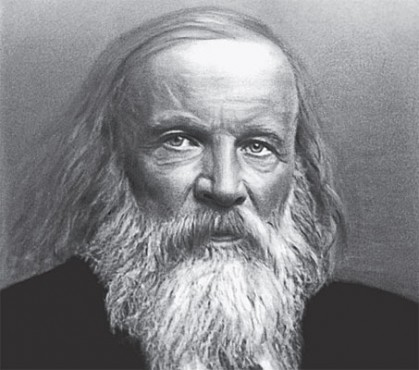
Dmitry Ivanovich Mendeleyev
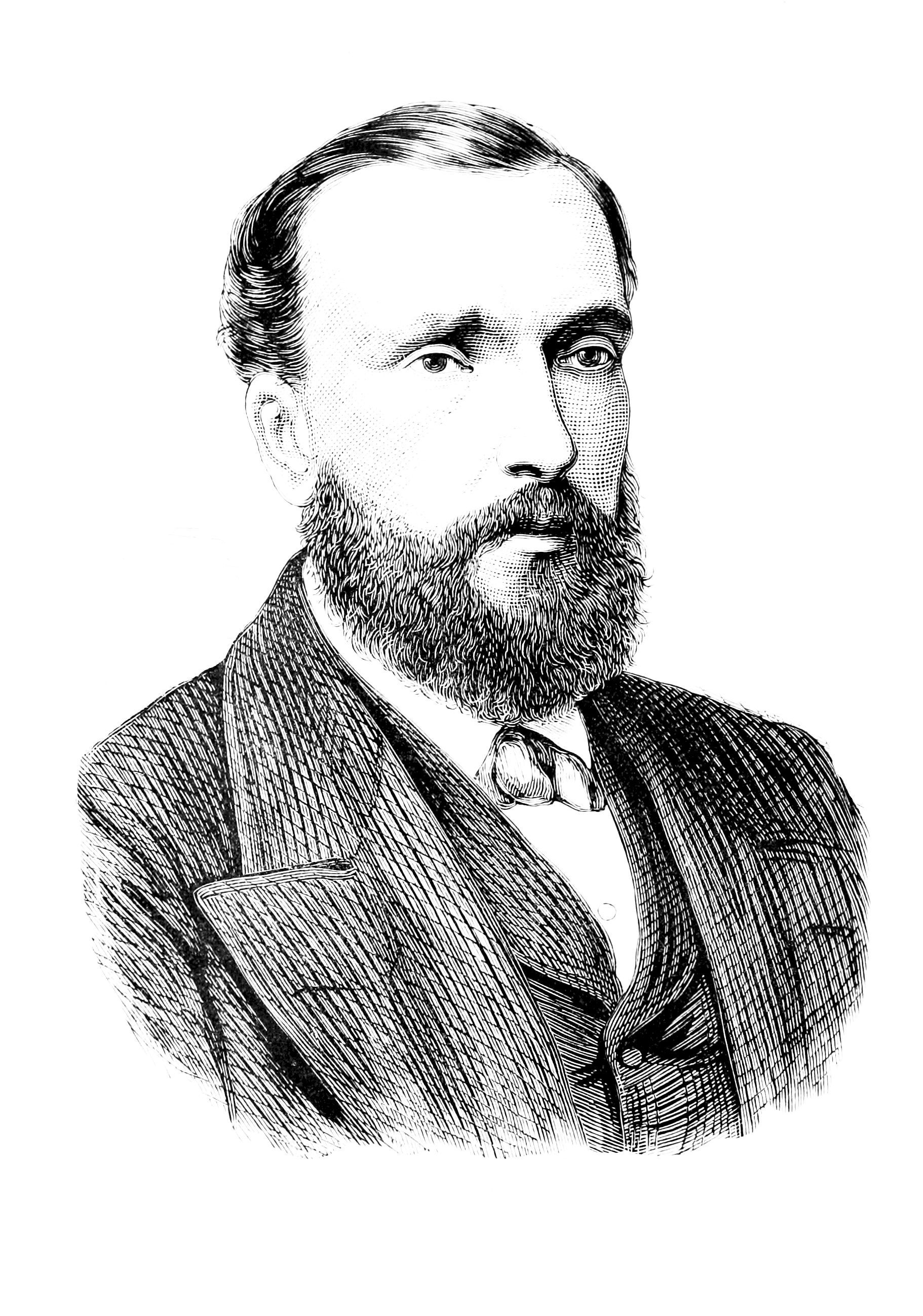
Dmitry Ivanovich Mendeleyev was a pioneering Russian chemist best known for formulating the periodic law and creating a comprehensive periodic table of elements. His innovative approach not only corrected existing misconceptions about the properties of known elements, such as uranium's valence and atomic weight, but also allowed him to predict the existence and properties of three yet-to-be-discovered elements: germanium, gallium, and scandium. Mendeleyev's periodic table, first published in 1869, organized elements based on their atomic weights and chemical properties, establishing a framework that would revolutionize the field of chemistry. Mendeleyev's work laid the foundation for modern chemistry, influencing the way scientists understand elemental relationships and the behavior of matter. His periodic law highlighted the periodicity of elemental properties, which became a cornerstone of chemical education and research. Beyond his contributions to chemistry, Mendeleyev was also involved in various scientific and educational initiatives in Russia, advocating for the advancement of science and technology. His legacy endures as a testament to the power of scientific inquiry and the importance of systematic classification in the natural sciences.
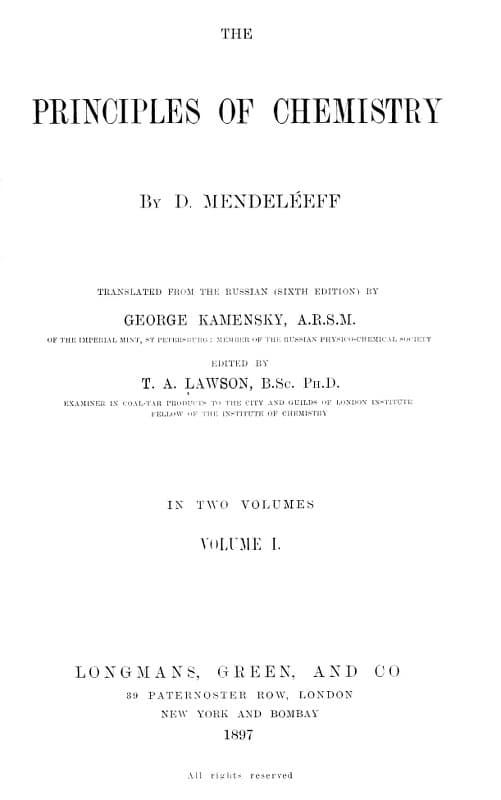
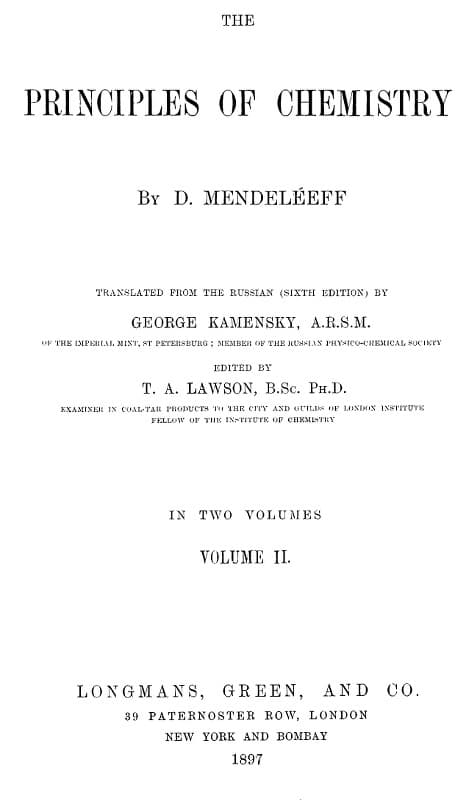
Books from the author


Link to this page
Add a free, dofollow link to Lex on your blog, forum, syllabus, or reading list.

<a href="https://lex-books.com/author/dmitry-ivanovich-mendeleyev"><img src="https://lex-books.com/badges/read-on-lex.svg" alt="Dmitry Ivanovich Mendeleyev on Lex" width="160" height="40"></a>[](https://lex-books.com/author/dmitry-ivanovich-mendeleyev)[url=https://lex-books.com/author/dmitry-ivanovich-mendeleyev][img]https://lex-books.com/badges/read-on-lex.svg[/img][/url]Dmitry Ivanovich Mendeleyev on Lex: https://lex-books.com/author/dmitry-ivanovich-mendeleyev