Samuel W. Johnson
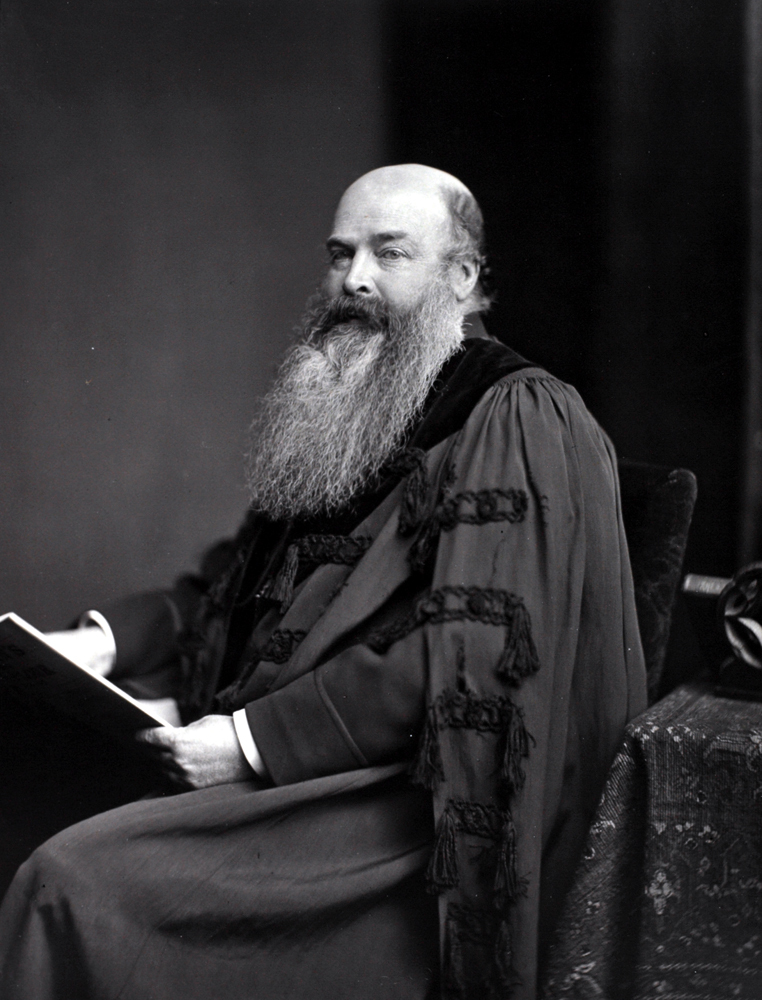
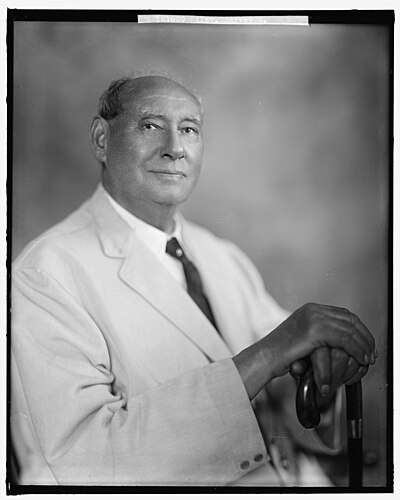
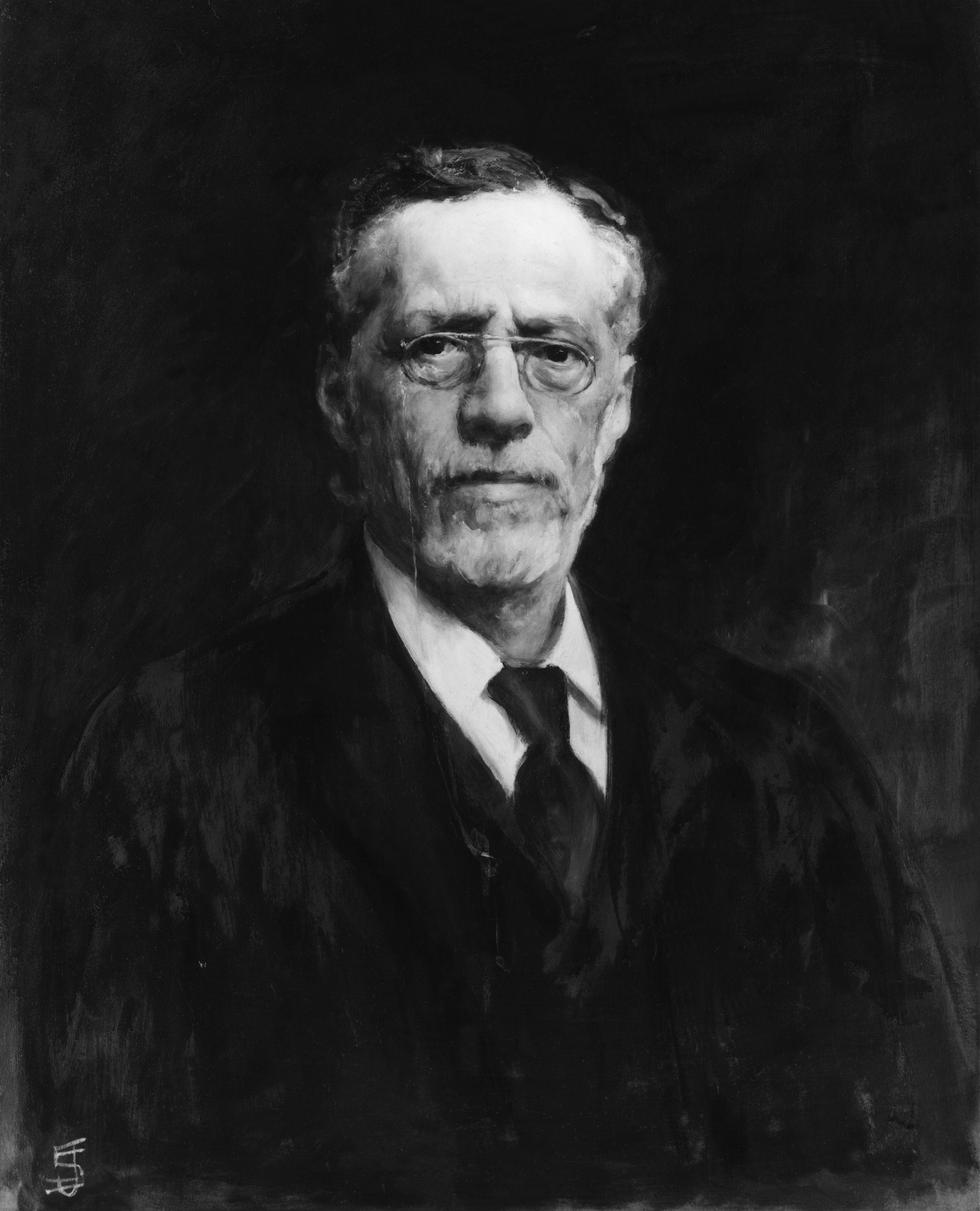
Samuel W. Johnson was an American agricultural scientist and author, best known for his influential work in the field of soil science and agricultural practices. His notable publication, 'Peat and Its Uses as Fertilizer and Fuel,' explored the properties of peat and its potential applications in agriculture, highlighting its value as a natural resource. Johnson's research contributed significantly to the understanding of soil fertility and the sustainable use of organic materials in farming, making him a pivotal figure in the advancement of agricultural science during his time. In addition to his work on peat, Johnson's writings reflected a broader interest in the intersection of agriculture and environmental stewardship. He was part of a growing movement in the late 19th century that sought to improve farming practices through scientific methods and a deeper understanding of natural resources. His legacy lies in his contributions to agricultural education and the promotion of sustainable practices that continue to influence modern farming techniques.
Famous Quotes
View all 1 quotes“glass. A broad resembles the a of the German; as all, wall, call. Many words pronounced with a broad were anciently written with au; as sault, mault; and we still say, fault, vault. This was probably the Saxon sound, for it is yet retained in the northern dialects, and in the rustick pronunciation; as maun for man, haund for hand. The short a approaches to the a open, as grass. The long a, if prolonged by e at the end of the word, is always slender, as graze, fame. A forms a diphthong only with i or y, and u or w. Ai or ay, as in plain, wain, gay, clay, has only the sound of the long and slender a, and differs not in the pronunciation from plane, wane. Au or aw has the sound of the German a, as raw, naughty. Ae is sometimes found in Latin words not completely””
Books from the author




Link to this page
Add a free, dofollow link to Lex on your blog, forum, syllabus, or reading list.

<a href="https://lex-books.com/author/samuel-w-johnson"><img src="https://lex-books.com/badges/read-on-lex.svg" alt="Samuel W. Johnson on Lex" width="160" height="40"></a>[](https://lex-books.com/author/samuel-w-johnson)[url=https://lex-books.com/author/samuel-w-johnson][img]https://lex-books.com/badges/read-on-lex.svg[/img][/url]Samuel W. Johnson on Lex: https://lex-books.com/author/samuel-w-johnson