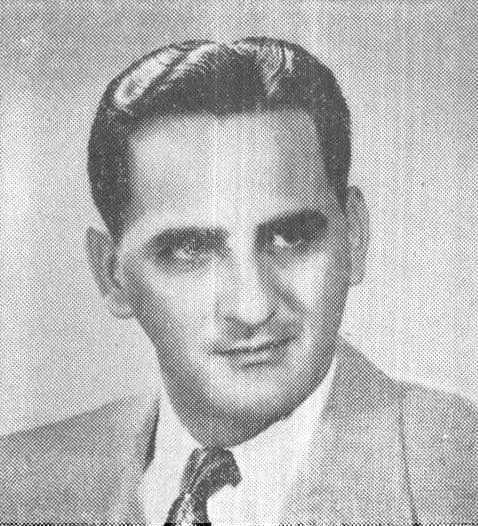
Daniel F. Galouye
Daniel F. Galouye was an influential American science fiction writer known for his thought-provoking explorations of reality and consciousness. Born in New Orleans, he graduated from Louisiana State University and worked as a newspaper reporter before serving in the US Navy during World War II, where he sustained injuries that impacted his health later in life. He published numerous novelettes and short stories in various science fiction magazines during the 1950s and 1960s, often under the pseudonym Louis G. Daniels. His works delved into themes of simulated realities and the nature of existence, with 'Counterfeit World' standing out as a significant contribution to the genre, inspiring discussions on simulated universes and the implications of artificial environments. Galouye's literary significance lies in his ability to blend complex philosophical ideas with engaging narratives, making him a precursor to later science fiction that tackled similar themes. His writing not only entertained but also challenged readers to reconsider their perceptions of reality. Despite being less well-known than some of his contemporaries, his influence can be seen in the works of later authors and thinkers, including Richard Dawkins, who acknowledged the impact of Galouye's ideas on his own understanding of simulated realities. Galouye's legacy endures through his innovative storytelling and the intellectual curiosity he sparked in the realm of science fiction.
Famous Quotes
View all 2 quotes“How do we know that even the realest of realities wouldn't be subjective, in the final analysis? Nobody can prove his existence, can he?”
“Doomsday, when it came, wouldn't be a physical phenomenon; it would be an all-inclusive erasure of simulectronic circuits.”
Books from the author












Link to this page
Add a free, dofollow link to Lex on your blog, forum, syllabus, or reading list.

<a href="https://lex-books.com/author/daniel-f-galouye"><img src="https://lex-books.com/badges/read-on-lex.svg" alt="Daniel F. Galouye on Lex" width="160" height="40"></a>[](https://lex-books.com/author/daniel-f-galouye)[url=https://lex-books.com/author/daniel-f-galouye][img]https://lex-books.com/badges/read-on-lex.svg[/img][/url]Daniel F. Galouye on Lex: https://lex-books.com/author/daniel-f-galouye