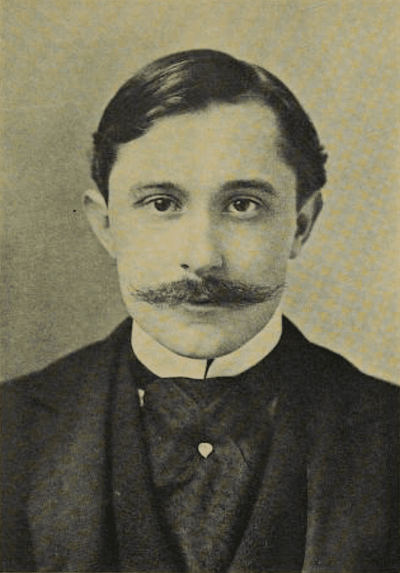
Clyde Fitch
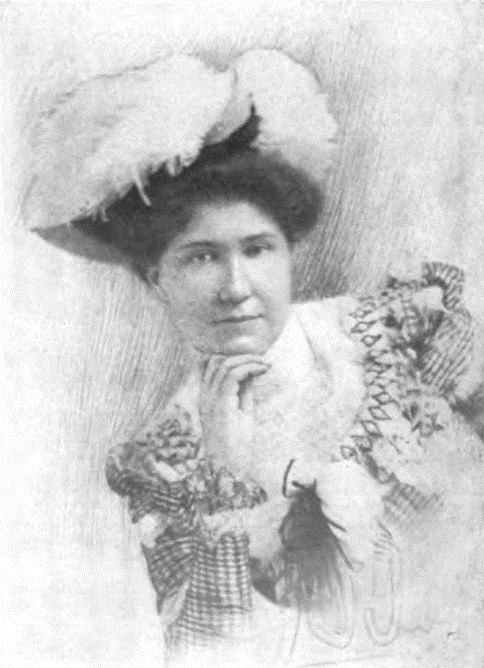
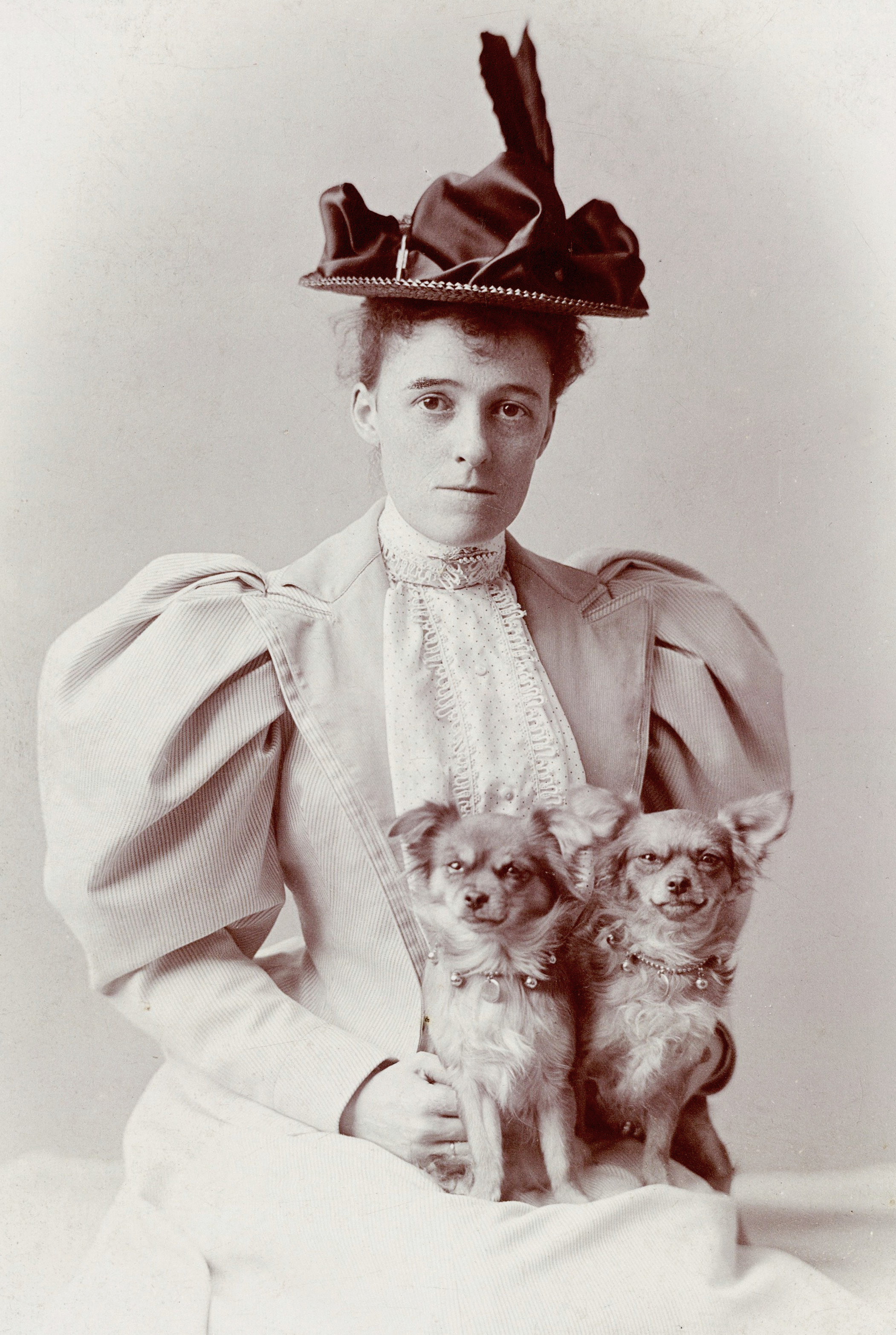
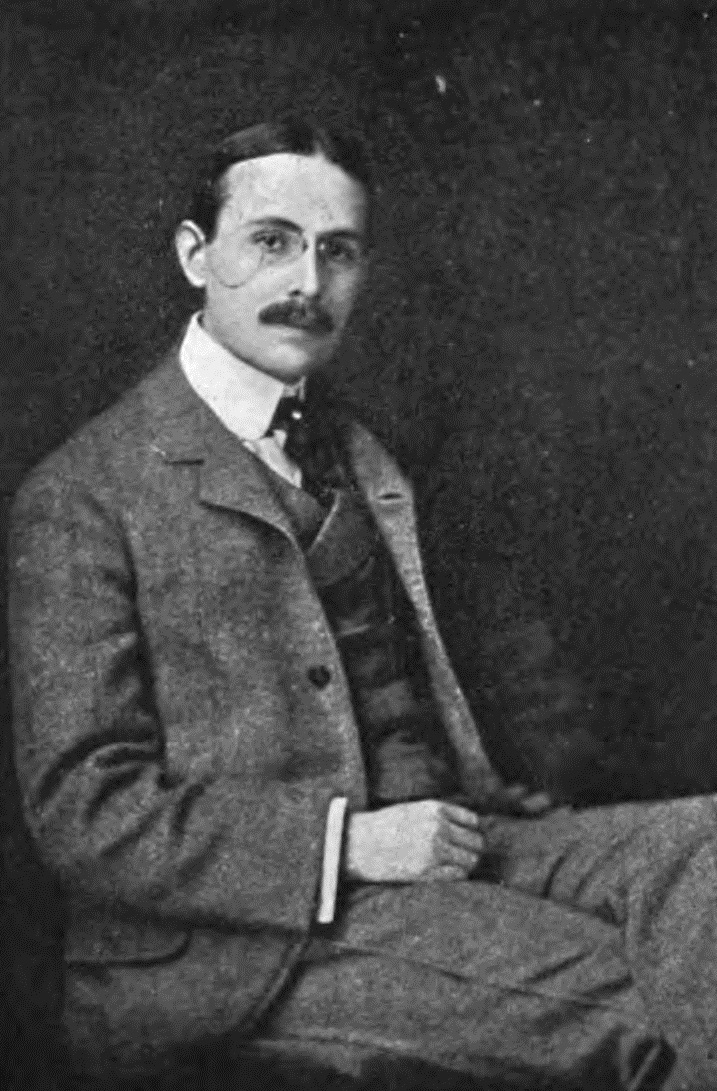
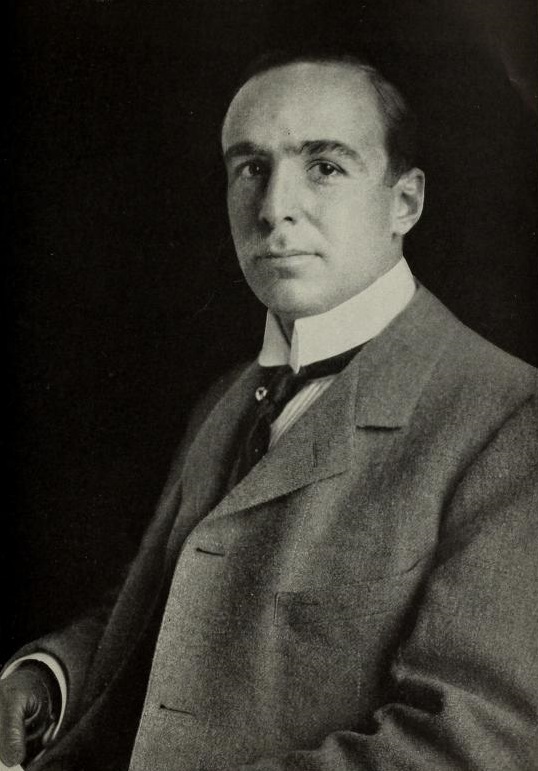
William Clyde Fitch was a prominent American playwright whose works dominated the Broadway stage in the late 19th and early 20th centuries. Born in 1865, he quickly established himself as a leading dramatist, known for his keen observations of society and complex characterizations. Fitch's plays often explored themes of love, social class, and moral dilemmas, making them both entertaining and thought-provoking. His notable works include 'The Truth,' 'The Moth,' and 'The Climbers,' which showcased his ability to blend humor with serious social commentary, appealing to a wide audience and earning him critical acclaim. Fitch's significance in American theater lies not only in his popularity but also in his role as a pioneer of modern drama. He was among the first playwrights to incorporate realistic dialogue and intricate plots, paving the way for future generations of dramatists. His influence can be seen in the works of later playwrights who sought to address social issues through the medium of theater. Despite his untimely death in 1909, Fitch's legacy endures, as he remains a key figure in the evolution of American drama, remembered for his contributions to the art form and his ability to capture the complexities of human experience on stage.
Books from the author




Link to this page
Add a free, dofollow link to Lex on your blog, forum, syllabus, or reading list.

<a href="https://lex-books.com/author/clyde-fitch"><img src="https://lex-books.com/badges/read-on-lex.svg" alt="Clyde Fitch on Lex" width="160" height="40"></a>[](https://lex-books.com/author/clyde-fitch)[url=https://lex-books.com/author/clyde-fitch][img]https://lex-books.com/badges/read-on-lex.svg[/img][/url]Clyde Fitch on Lex: https://lex-books.com/author/clyde-fitch