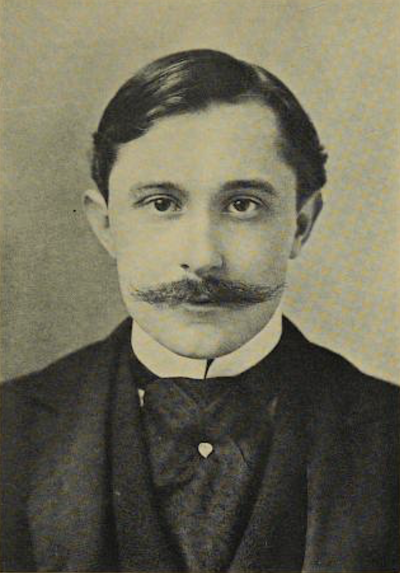
Representative Plays by American Dramatists: 1856-1911: The Moth and the Flame
Representative Plays by American Dramatists: 1856-1911: The Moth and the Flame
Clyde Fitch's "The Moth and the Flame" burns with the dangerous electricity of late-Victorian New York. At the Wolton family's lavish children's ball, society swirls in masks and costumes while beneath the champagne sparkle, hearts ignite and smolder. Marion Wolton stands at the center of this social furnace, drawn inexorably toward Edward Fletcher, a man whose charm conceals depths of moral ambiguity that threaten everything she knows. As the festivities unfold, the play excavates the raw nerve of desire versus obligation, revealing how a single choice at a society ball can unravel reputations and reshape destinies. The dialogue crackles with unsaid words, hidden motives, and the particular cruelty of a world where one's standing hangs by a thread. This is American naturalist drama at its most seductive, a world where love becomes a battlefield and every waltz is a gamble. Fitch, the most produced American playwright of his era, understood that the most explosive dramas aren't fought with swords but with glances, whispers, and the terrible weight of wanting what we know we shouldn't.
Editions
Link to this book
Add a free, dofollow link to Lex on your blog, forum, syllabus, or reading list.

<a href="https://lex-books.com/book/representative-plays-by-american-dramatists-1856-1911-the-moth-and-the-flame-27e478ca-015c-43e6-9a65-78e841238eb2"><img src="https://lex-books.com/badges/read-on-lex.svg" alt="Read Representative Plays by American Dramatists: 1856-1911: The Moth and the Flame by Clyde Fitch free on Lex" width="160" height="40"></a>[](https://lex-books.com/book/representative-plays-by-american-dramatists-1856-1911-the-moth-and-the-flame-27e478ca-015c-43e6-9a65-78e841238eb2)[url=https://lex-books.com/book/representative-plays-by-american-dramatists-1856-1911-the-moth-and-the-flame-27e478ca-015c-43e6-9a65-78e841238eb2][img]https://lex-books.com/badges/read-on-lex.svg[/img][/url]Read Representative Plays by American Dramatists: 1856-1911: The Moth and the Flame by Clyde Fitch free on Lex: https://lex-books.com/book/representative-plays-by-american-dramatists-1856-1911-the-moth-and-the-flame-27e478ca-015c-43e6-9a65-78e841238eb2Cite this book
Reading this edition for a paper or guide? Copy a citation.
Fitch, Clyde. Representative Plays by American Dramatists: 1856-1911: The Moth and the Flame. Lex, lex-books.com/book/representative-plays-by-american-dramatists-1856-1911-the-moth-and-the-flame-27e478ca-015c-43e6-9a65-78e841238eb2.Fitch, C. (n.d.). Representative Plays by American Dramatists: 1856-1911: The Moth and the Flame. Lex. https://lex-books.com/book/representative-plays-by-american-dramatists-1856-1911-the-moth-and-the-flame-27e478ca-015c-43e6-9a65-78e841238eb2Fitch, Clyde. Representative Plays by American Dramatists: 1856-1911: The Moth and the Flame. Lex. https://lex-books.com/book/representative-plays-by-american-dramatists-1856-1911-the-moth-and-the-flame-27e478ca-015c-43e6-9a65-78e841238eb2.