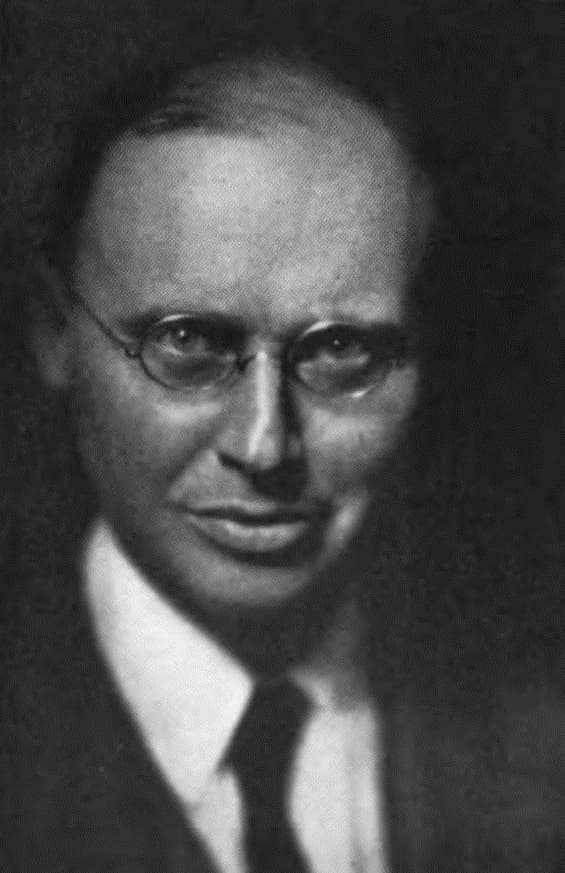
Clarence Day
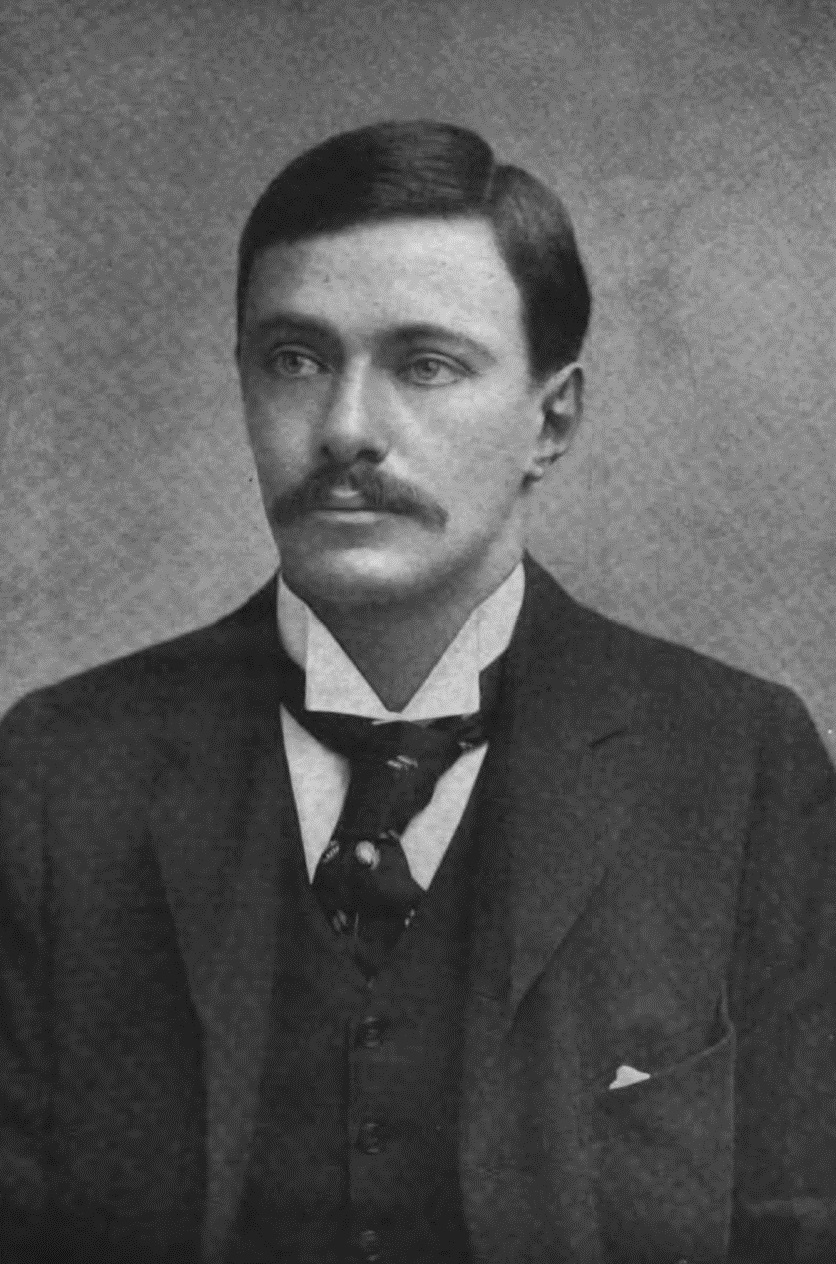
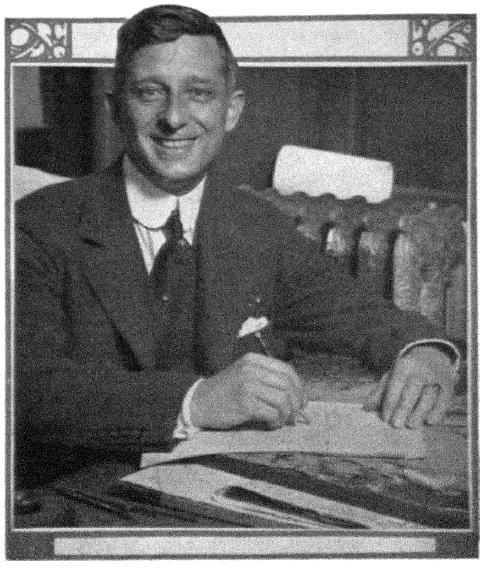
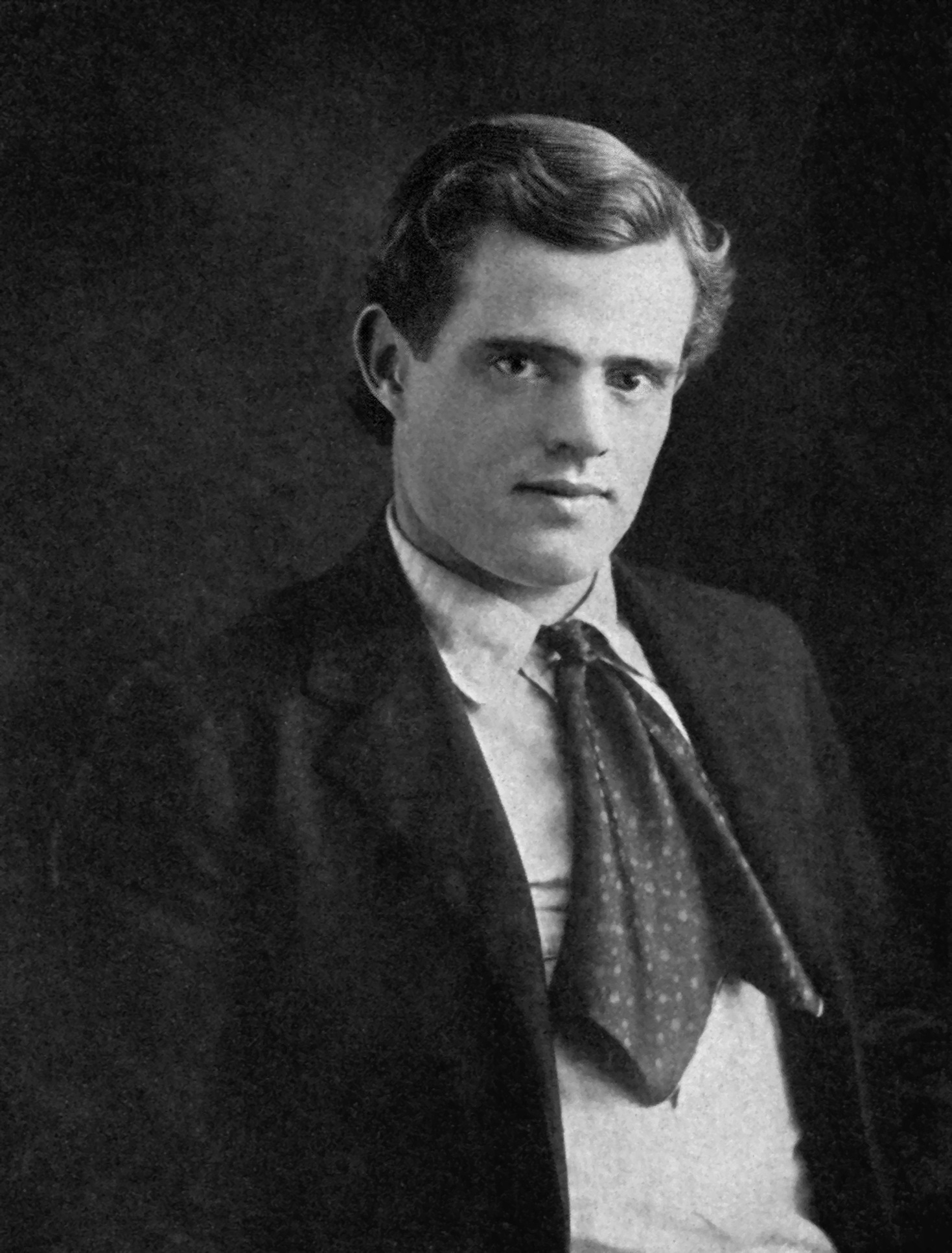
Clarence Day was an American author and cartoonist renowned for his humorous and insightful portrayals of family life. Born in 1874, he grew up in a well-to-do family in New York City, which provided him with a rich backdrop for his later literary endeavors. Day's most famous work, 'Life with Father,' published in 1935, is a semi-autobiographical account of his own experiences growing up in a strict household. The book's blend of humor and nostalgia resonated with readers, making it a beloved classic of American literature. In addition to 'Life with Father,' Day contributed to various magazines and newspapers, showcasing his talent for both writing and illustration. His keen observations of family dynamics and societal norms captured the essence of early 20th-century American life. Day's legacy endures not only through his literary works but also through the successful stage adaptation of 'Life with Father,' which became one of the longest-running plays in Broadway history, further solidifying his impact on American culture and humor.
Famous Quotes
View all 13 quotes“Now, your Honor, I have spoken about the war. I believed in it. I don’t know whether I was crazy or not. Sometimes I think perhaps I was. I approved of it; I joined in the general cry of madness and despair. I urged men to fight. I was safe because I was too old to go. I was like the rest. What did they do? Right or wrong, justifiable or unjustifiable -- which I need not discuss today -- it changed the world. For four long years the civilized world was engaged in killing men. Christian against Christian, barbarian uniting with Christians to kill Christians; anything to kill. It was taught in every school, aye in the Sunday schools. The little children played at war. The toddling children on the street. Do you suppose this world has ever been the same since? How long, your Honor, will it take for the world to get back the humane emotions that were slowly growing before the war? ?We read of killing one hundred thousand men in a day. We read about it and we rejoiced in it -- if it was the other fellows who were killed. We were fed on flesh and drank blood. Even down to the prattling babe. I need not tell you how many upright, honorable young boys have come into this court charged with murder, some saved and some sent to their death, boys who fought in this war and learned to place a cheap value on human life. You know it and I know it. These boys were brought up in it. The tales of death were in their homes, their playgrounds, their schools; they were in the newspapers that they read; it was a part of the common frenzy -- what was a life? It was nothing. It was the least sacred thing in existence and these boys were trained to this cruelty.””
“You can buy a man's time, you can buy a man's physical presence at a certain place, you can even buy a measured number of skilled muscular motions per hour or day. But you cannot buy enthusiasm, you cannot buy initiative, you cannot buy loyalty; you cannot buy the devotion of hearts, minds, and souls. You have to earn these things.””
“The world of books is the most remarkable creation of man. Nothing else that he builds ever lasts. Monuments fall, nations perish, civilizations grow old and die out, and after an era new races build others. But in the world of books are volumes that have seen this happen again and again and yet live on, still young, still as fresh as the day they were written, still telling men's hearts of the heart of men centuries dead.””
Books from the author

Link to this page
Add a free, dofollow link to Lex on your blog, forum, syllabus, or reading list.

<a href="https://lex-books.com/author/clarence-day"><img src="https://lex-books.com/badges/read-on-lex.svg" alt="Clarence Day on Lex" width="160" height="40"></a>[](https://lex-books.com/author/clarence-day)[url=https://lex-books.com/author/clarence-day][img]https://lex-books.com/badges/read-on-lex.svg[/img][/url]Clarence Day on Lex: https://lex-books.com/author/clarence-day