
Charles Lathrop Pack
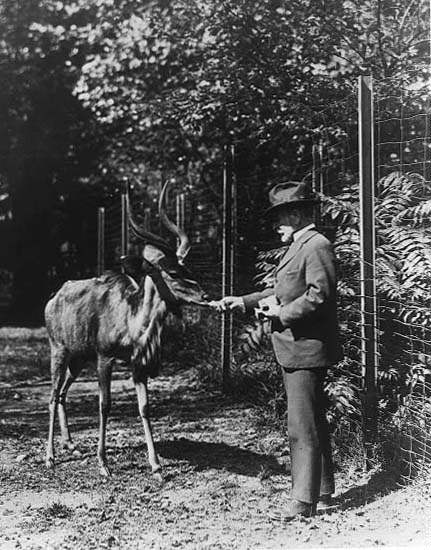
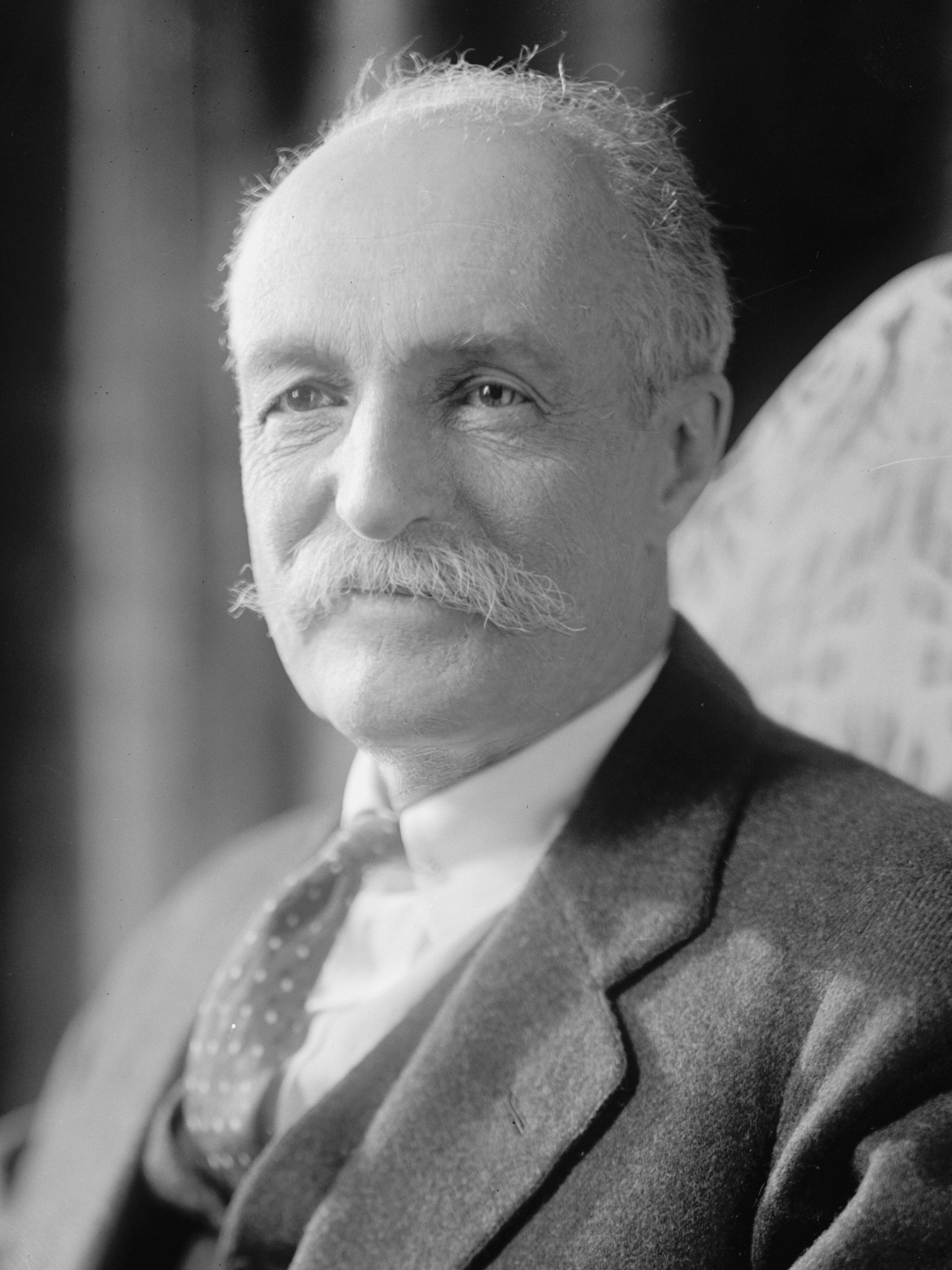
Charles Lathrop Pack was a prominent American timberman and businessman whose wealth and influence marked him as one of the leading figures in the forestry industry in the early 20th century. Born into a family with deep roots in timber, he built upon the legacy of his father and grandfather, amassing a fortune through investments in timber, banking, and real estate. His upbringing on the shores of Lake Huron and subsequent residence in Cleveland shaped his understanding of both nature and commerce, allowing him to navigate the complexities of the American economy with remarkable success. By the time World War I began, Pack had established himself as one of the wealthiest men in America, leveraging his resources to support various initiatives, including the war garden movement, which encouraged Americans to grow their own food during the war effort. In addition to his business ventures, Pack was deeply committed to environmental conservation and played a significant role in promoting forestry practices. As president of The American Tree Association during the 1930s, he advocated for the sustainable management of forests and the importance of reforestation. His efforts not only contributed to the preservation of natural resources but also laid the groundwork for future environmental movements. Pack's legacy is marked by his dual impact on both the economy and the environment, highlighting the interconnectedness of industry and nature in American society.
Books from the author

Link to this page
Add a free, dofollow link to Lex on your blog, forum, syllabus, or reading list.

<a href="https://lex-books.com/author/charles-lathrop-pack"><img src="https://lex-books.com/badges/read-on-lex.svg" alt="Charles Lathrop Pack on Lex" width="160" height="40"></a>[](https://lex-books.com/author/charles-lathrop-pack)[url=https://lex-books.com/author/charles-lathrop-pack][img]https://lex-books.com/badges/read-on-lex.svg[/img][/url]Charles Lathrop Pack on Lex: https://lex-books.com/author/charles-lathrop-pack