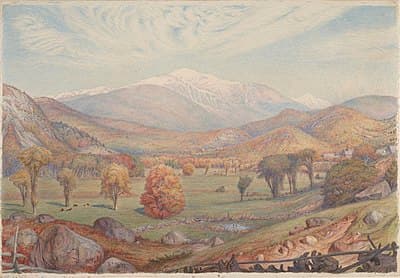
Charles Herbert Moore
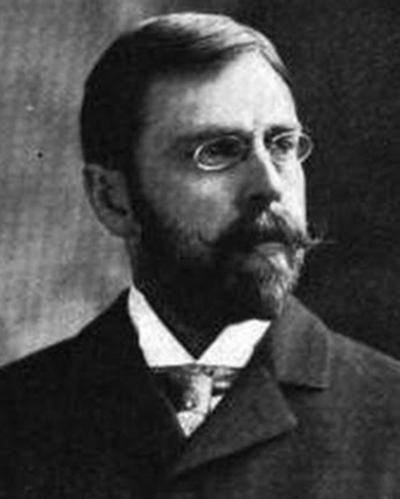
Charles Herbert Moore was an influential American university professor, painter, and architectural historian, recognized as the first director of Harvard University's Fogg Art Museum. Initially inspired by the works of John Ruskin, he was associated with the American Pre-Raphaelite movement. However, his artistic direction shifted as he adopted the principles of the French architect Eugène Viollet-le-Duc, which marked a significant transition in his career. In 1871, Moore left painting to teach at Harvard, where he played a pivotal role in establishing the university's art department and became one of the first art historians in an academic setting in the United States. After retiring, Moore relocated to Hampshire, England, where he dedicated himself to writing extensively on medieval and Renaissance architecture. His scholarly contributions helped to shape the field of architectural history in America, influencing both academic study and public appreciation of these historical styles. Moore's legacy endures through his writings and his role in advancing art history as a legitimate academic discipline, marking him as a significant figure in the evolution of American art education.
Books from the author


Link to this page
Add a free, dofollow link to Lex on your blog, forum, syllabus, or reading list.

<a href="https://lex-books.com/author/charles-herbert-moore"><img src="https://lex-books.com/badges/read-on-lex.svg" alt="Charles Herbert Moore on Lex" width="160" height="40"></a>[](https://lex-books.com/author/charles-herbert-moore)[url=https://lex-books.com/author/charles-herbert-moore][img]https://lex-books.com/badges/read-on-lex.svg[/img][/url]Charles Herbert Moore on Lex: https://lex-books.com/author/charles-herbert-moore