Lex

Browse

GenresShelvesPremiumBlog

Company

AboutJobsPartnersSell on LexAffiliates

Audio

Lex StudioVoicesFirst chapter freeAudiobook pricingAudiobook samplesAudiobook guidesAudio blog

Resources

DocsInvite FriendsFAQ

Legal

Terms of ServicePrivacy Policygeneral@lex-books.com+1 951-551-2243WhatsApp (international)

© 2026 LexBooks, Inc. All rights reserved.

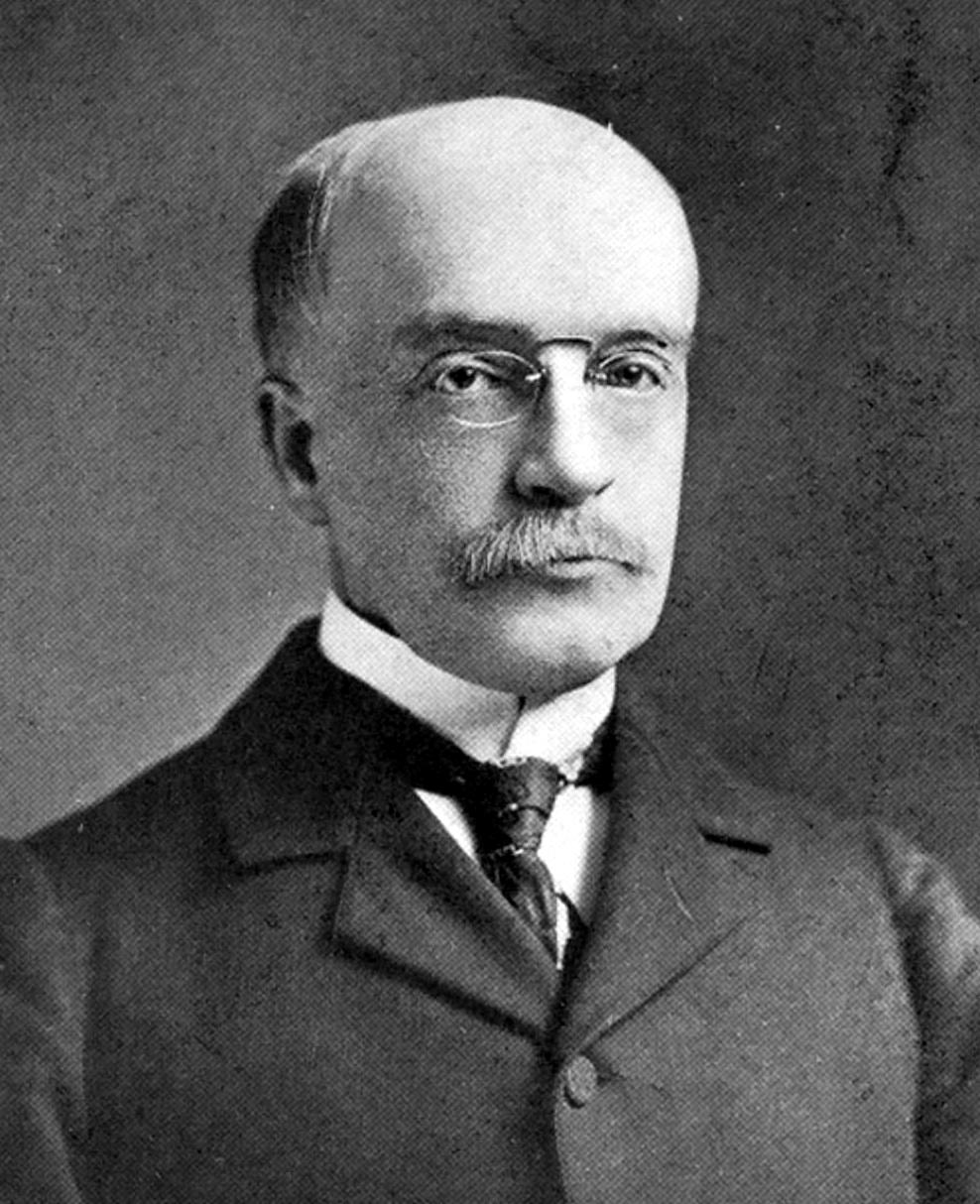
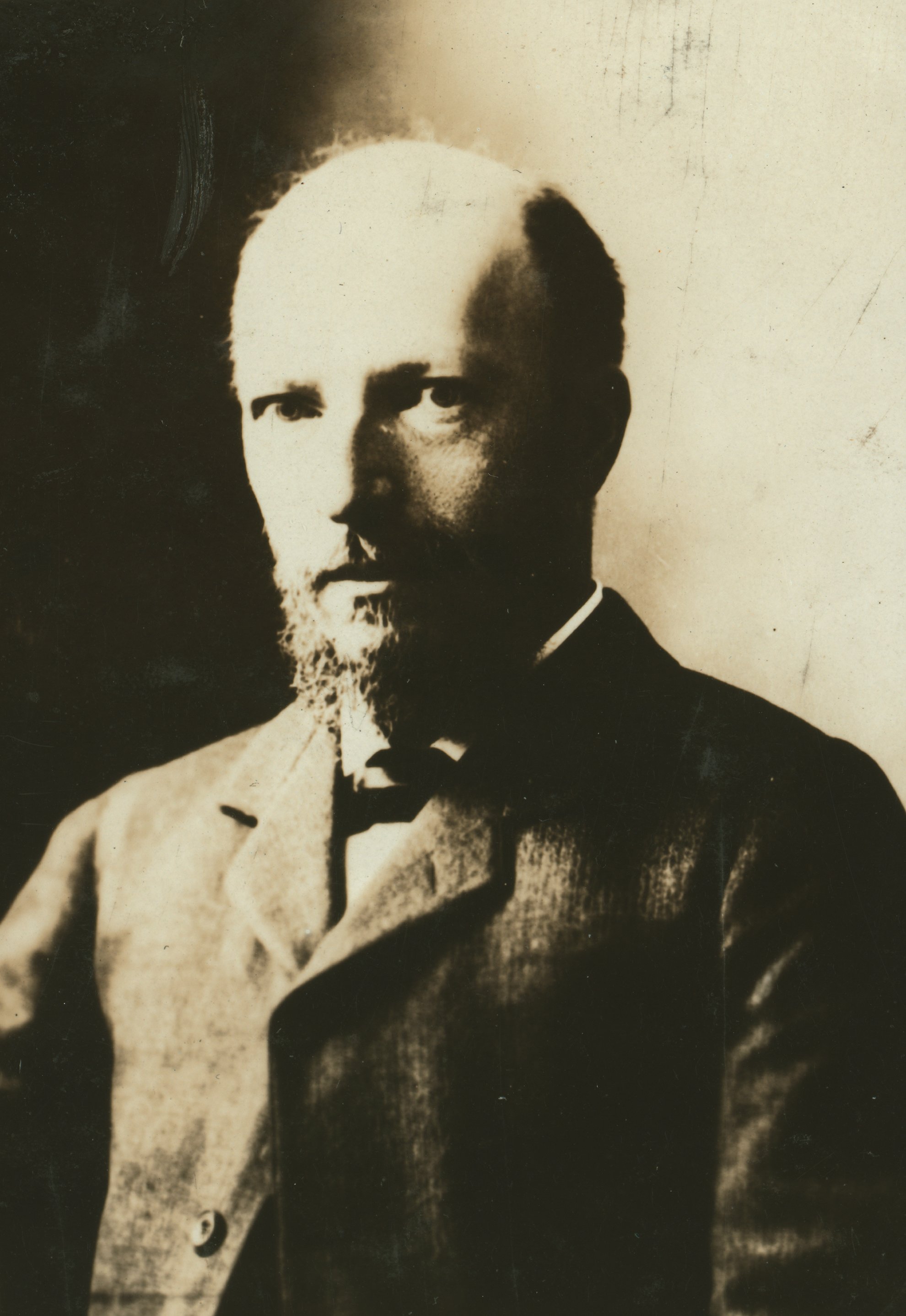
Charles Franklin Thwing

Charles Franklin Thwing

Rev. Charles Franklin Thwing (November 9, 1853 – August 29, 1937) was an American clergyman and educator.

Wikipedia

Rev. Charles Franklin Thwing (November 9, 1853 – August 29, 1937) was an American clergyman and educator.

Famous Quotes

View all 3 quotes

“He may believe that he can skimp his intellectual labour without wearing his moral natuere thin or that he can break the laws of his moral nature without breaking his intellectual integrity. He may think that he can play fast and loose with his will without weakening his conscience or without impairing the truthfulness of his intellectual processes... For man is a unit. Weakness in one part becomes weakness in every part”

“He may believe that he can skimp his intellectual labour without wearing his moral natuee thin or that he can break the laws of his moral nature without breaking his intellectual integrity. He may think that he can play fast and loose with his will without weakening his conscience or without impairing the truthfulness of his intellectual processes... For man is a unit. Weakness in one part becomes weakness in every part”

“To save time, take time in large pieces. Do not cut up time into bits. Adopt the principle of continuous work. The mind is a locomotive. It requires time for getting under headway. Under headway, it makes its own steam. Progress gives force as force makes progress. Do not slow down as long as you run well and without undue waste. Take advantage of momentum. Prolonged thinking leads to profound thinking. Steamers which have the longest route seek deepest waters.”

Books from the author

right arrow

UniversitiesOf The World

Charles Franklin Thwing

PDF

A history ofeducation inthe UnitedStates si...

Charles Franklin Thwing

PDF

A LiberalEducationand aLiberal...

Charles Franklin Thwing

PDF

The AmericanCollege inAmericanLife

Charles Franklin Thwing

PDF

AmericanColleges:TheirStudents ...

Charles Franklin Thwing

PDF

The AmericanColleges andUniversitiesin the Gr...

Charles Franklin Thwing

PDF

The AmericanCollege,what it Is,and what ...

Charles Franklin Thwing

PDF

Letters froma Father toHis DaughterEntering...

Charles Franklin Thwing

PDF

Letters froma Father toHis SonEntering...

Charles Franklin Thwing

PDF

More authors like this

right arrow
Francis B. Pearson
Francis B. Pearson
1853-1938
Lucy Helen Muriel Soulsby
1856-1927
Anna M. Galbraith
1859
Jan Ligthart
Jan Ligthart
1859-1916
William Lee Howard
William Lee Howard
1860-1918
E. R. Murray
E. R. Murray
1861-1932
Charles Reynolds Brown
1862-1950
Maria Montessori
Maria Montessori
1870-1952
Emilie Poulsson
Emilie Poulsson
1853-1939
F. D. How
1853-1936
John Bach McMaster
John Bach McMaster
1852-1932
Mathilda Roos
Mathilda Roos
1852-1908
B. G. Jefferis
1851
Felix Adler
Felix Adler
1851-1933
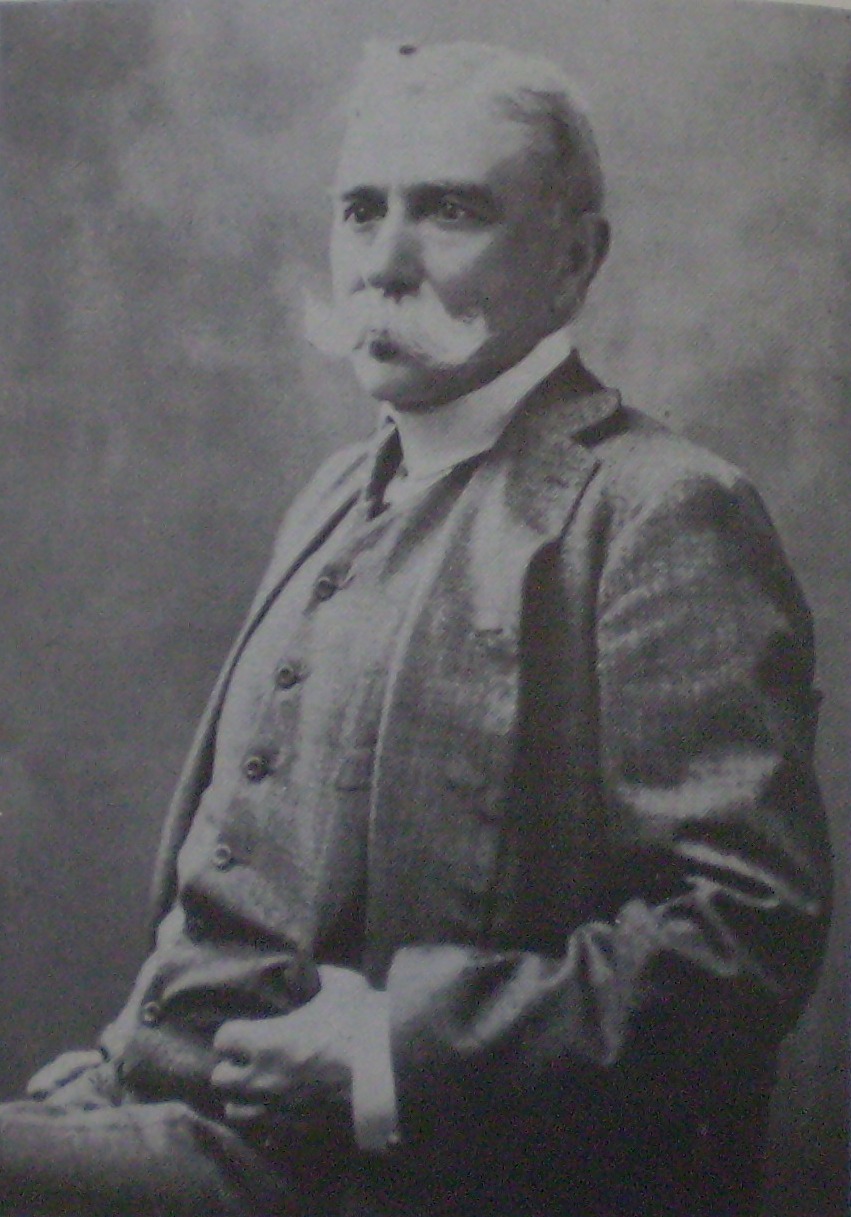
Miguel Cané
Miguel Cané
1851-1905
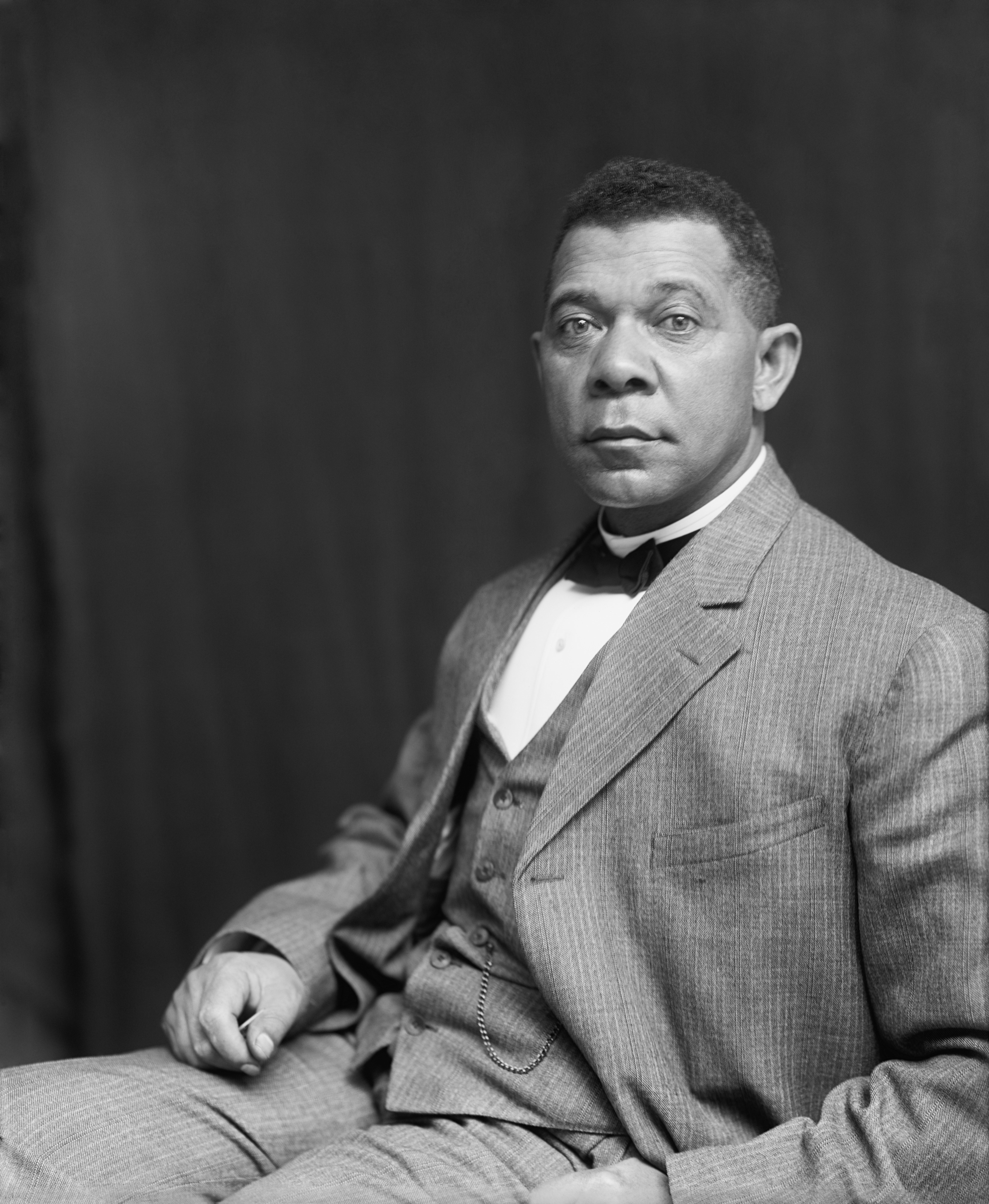
Booker T. Washington
1856-1915

Link to this page

Add a free, dofollow link to Lex on your blog, forum, syllabus, or reading list.

Charles Franklin Thwing on Lex
HTML
<a href="https://lex-books.com/author/charles-franklin-thwing"><img src="https://lex-books.com/badges/read-on-lex.svg" alt="Charles Franklin Thwing on Lex" width="160" height="40"></a>
Markdown
[![Charles Franklin Thwing on Lex](https://lex-books.com/badges/read-on-lex.svg)](https://lex-books.com/author/charles-franklin-thwing)
BBCode
[url=https://lex-books.com/author/charles-franklin-thwing][img]https://lex-books.com/badges/read-on-lex.svg[/img][/url]
Plain link
Charles Franklin Thwing on Lex: https://lex-books.com/author/charles-franklin-thwing