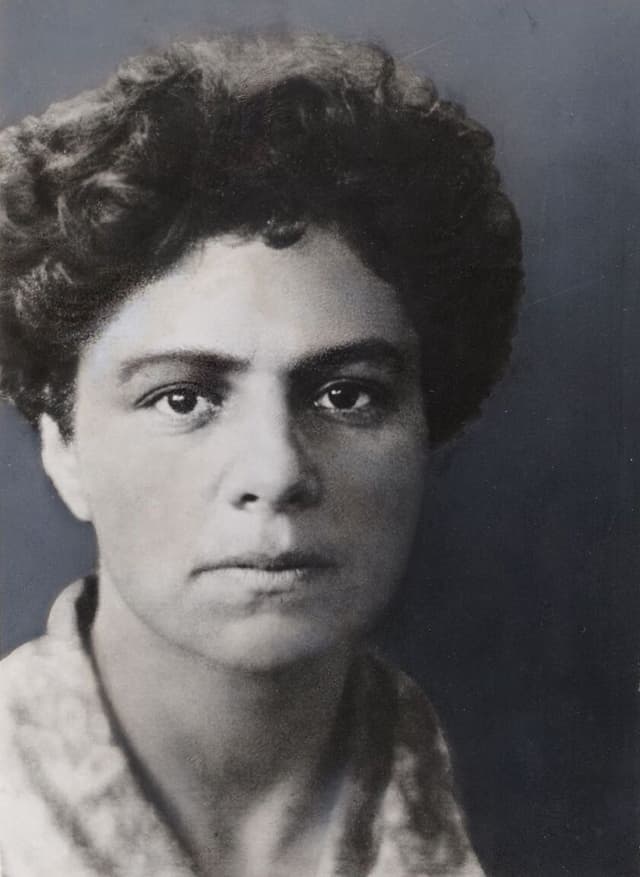
Carry van Bruggen
Carry van Bruggen was a prominent Dutch writer known for her insightful explorations of human relationships and societal norms. Born in a Jewish family in the Netherlands, she began her literary career in the early 20th century, adopting the pseudonym Justine Abbing for some of her works. Van Bruggen's writing often reflected her deep engagement with contemporary issues, particularly the struggles of women in a rapidly changing society. Her notable works include 'The House of the Dead' and 'The Last Day,' which showcase her ability to blend personal narrative with broader social commentary. Her literary significance lies in her role as a pioneering female voice in Dutch literature, addressing themes of identity, love, and existential angst. Van Bruggen's work was characterized by its psychological depth and lyrical prose, influencing subsequent generations of writers. Despite her relatively short life, her contributions to literature have been recognized for their boldness and emotional resonance, securing her a lasting legacy in the Dutch literary canon. Carry van Bruggen's exploration of the complexities of human experience continues to be relevant, marking her as a significant figure in early 20th-century literature.
Famous Quotes
View all 3 quotes“Het grote verderf van het "mindere" is, dat het het "betere" aan zichzelf doet twijfelen -, omdat het kenmerk van het "mindere" het redeloze, de zelfverzekerdheid is, en het kenmerk van het "betere", het redelijke, juist "de twijfel".”
“Ik heb maar altijd genomen wat ik vond, omdat ik niet wist, wat ik zocht.”
“Te zeggen dat we geen oorlog willen! Wij, die onze kinderen opvoeden in de vereering van zeehelden en vechtjassen, wij die het beroep van de beroepsslachters onder de meest eervolle rekenen. Omdat ze hun plicht doen? Ook de beul doet zijn plicht, maar het menschelijk instinct gruwt en huivert niettemin voor hem.”
Books from the author


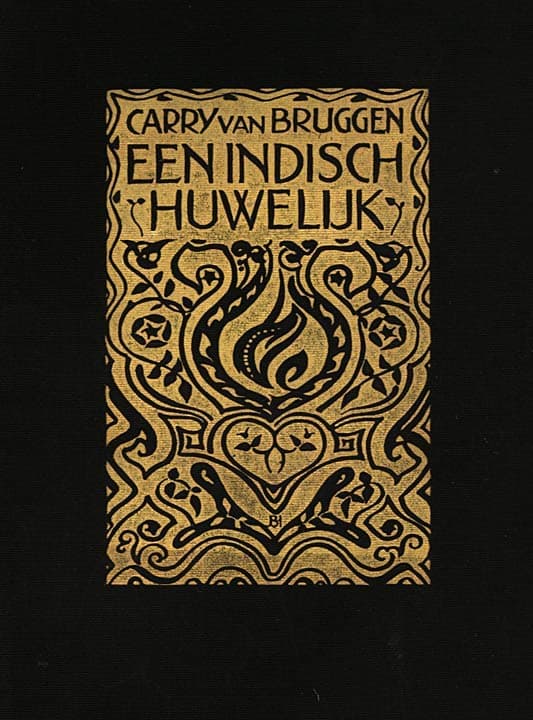
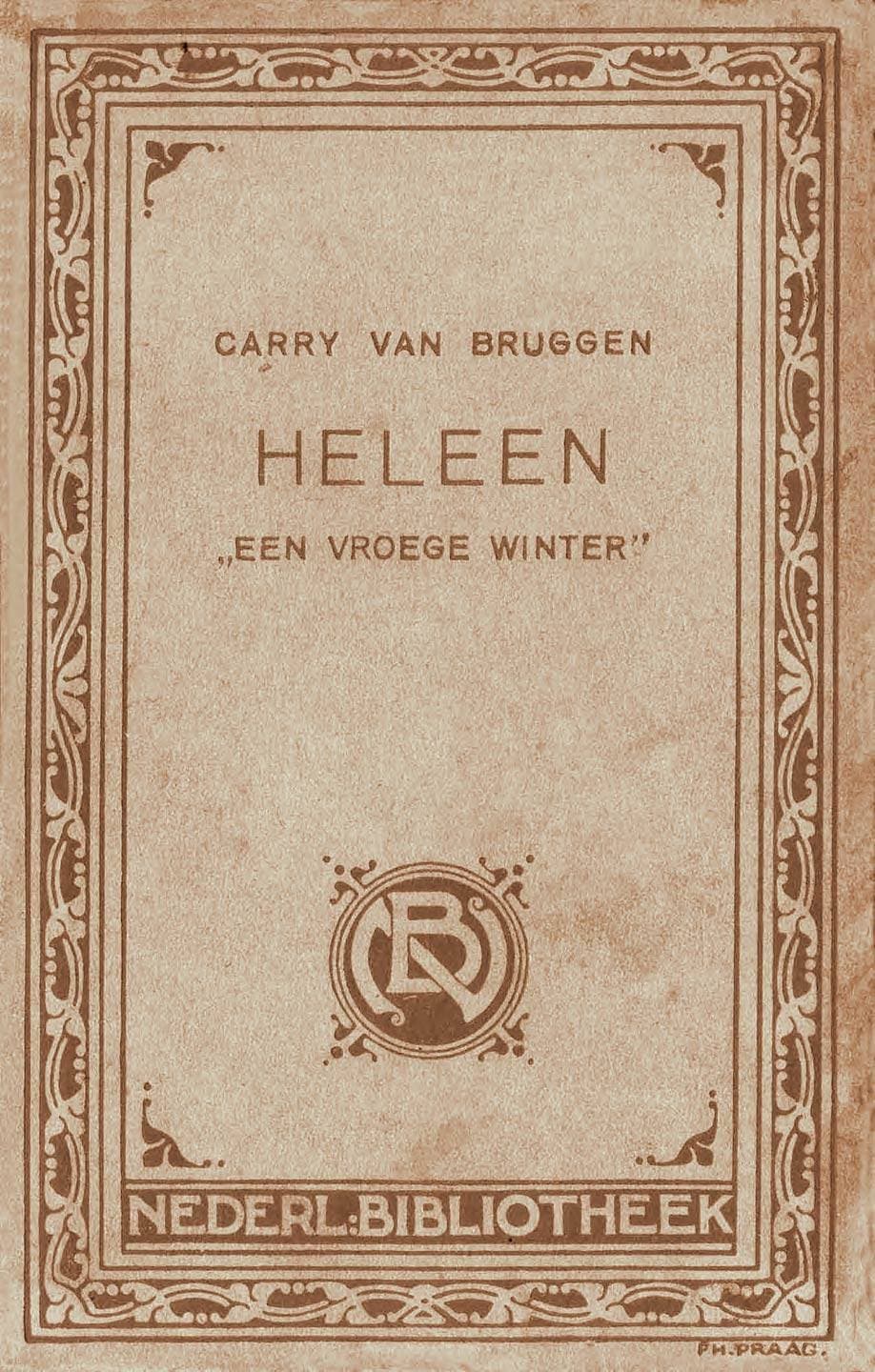
Link to this page
Add a free, dofollow link to Lex on your blog, forum, syllabus, or reading list.

<a href="https://lex-books.com/author/carry-van-bruggen"><img src="https://lex-books.com/badges/read-on-lex.svg" alt="Carry van Bruggen on Lex" width="160" height="40"></a>[](https://lex-books.com/author/carry-van-bruggen)[url=https://lex-books.com/author/carry-van-bruggen][img]https://lex-books.com/badges/read-on-lex.svg[/img][/url]Carry van Bruggen on Lex: https://lex-books.com/author/carry-van-bruggen