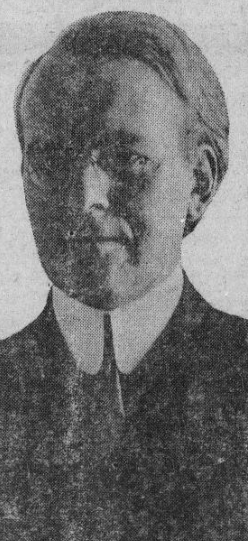
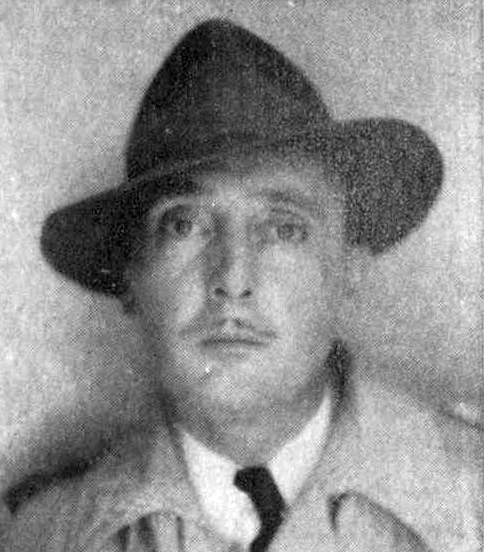
Carleton Washburne
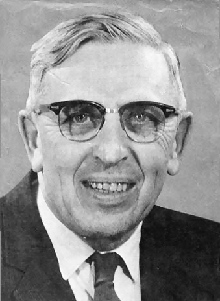
Carleton Washburne was an influential American educator and reformer, best known for his pioneering work in progressive education. Serving as the superintendent of schools in Winnetka, Illinois, from 1919 to 1943, he developed the Winnetka Plan, an innovative educational framework that emphasized individualized learning and the importance of experiential education. This approach aimed to cultivate critical thinking and creativity among students, moving away from traditional rote memorization methods prevalent at the time. Washburne's contributions to education extended beyond his own district; he became a prominent advocate for educational reform across the United States. His ideas influenced a generation of educators and laid the groundwork for modern educational practices that prioritize student engagement and holistic development. His legacy is reflected in the ongoing discussions about the role of creativity and critical thinking in education, making him a significant figure in the history of American schooling.
Books from the author




Link to this page
Add a free, dofollow link to Lex on your blog, forum, syllabus, or reading list.

<a href="https://lex-books.com/author/carleton-washburne"><img src="https://lex-books.com/badges/read-on-lex.svg" alt="Carleton Washburne on Lex" width="160" height="40"></a>[](https://lex-books.com/author/carleton-washburne)[url=https://lex-books.com/author/carleton-washburne][img]https://lex-books.com/badges/read-on-lex.svg[/img][/url]Carleton Washburne on Lex: https://lex-books.com/author/carleton-washburne