
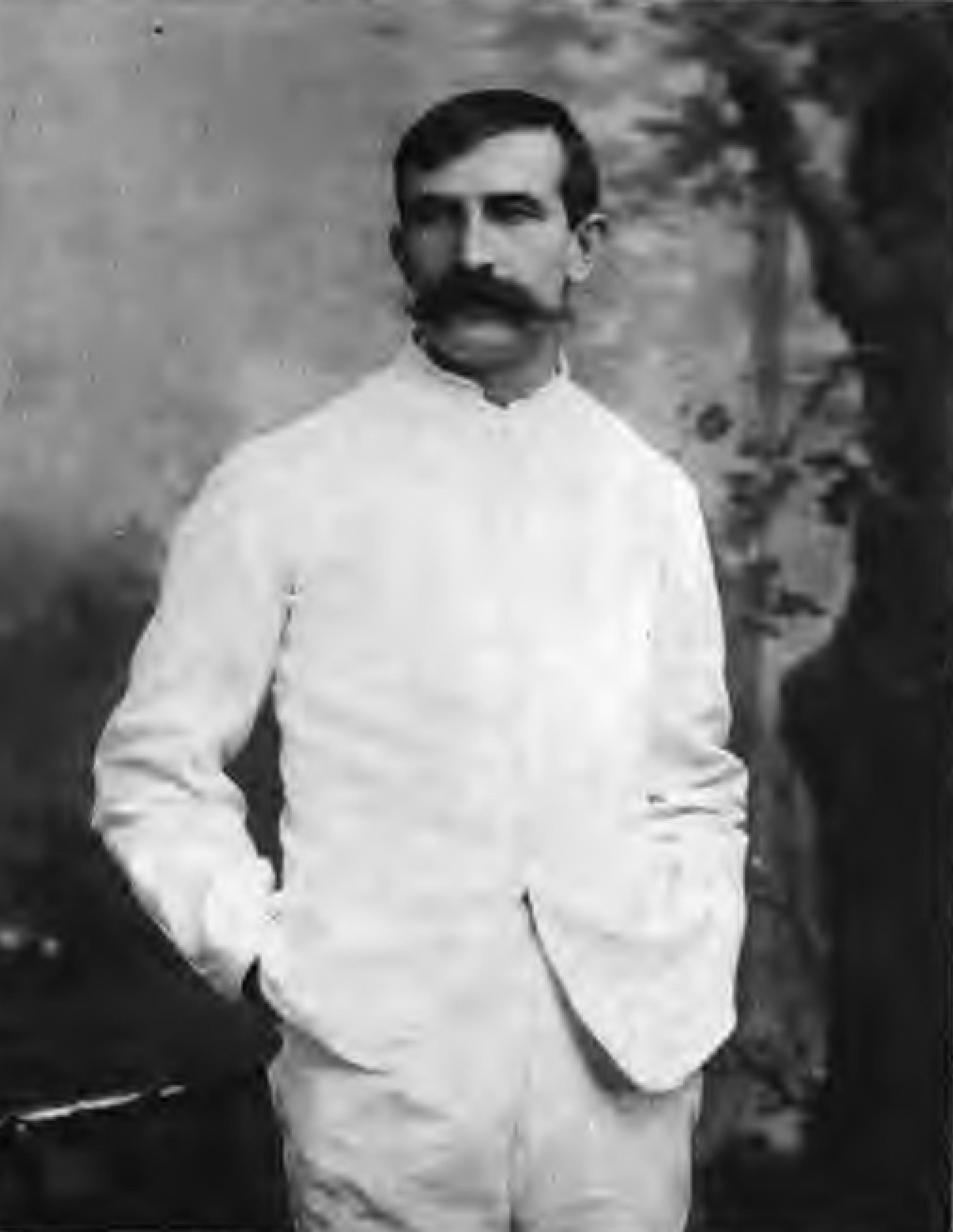
C. M. Kornbluth
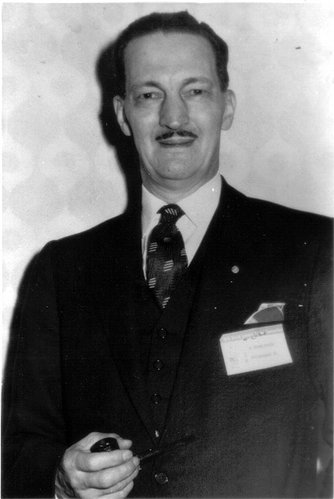
C. M. Kornbluth was an influential American science fiction writer known for his sharp wit and incisive social commentary. Born in 1923, Kornbluth's early life in New York City exposed him to a vibrant literary culture that would later inform his writing. He began his career in the 1940s, contributing to various pulp magazines, where he quickly gained recognition for his unique voice and imaginative storytelling. His most notable works include 'The Little Black Bag,' a tale that explores the ethical implications of advanced technology, and 'Gladiator-at-Law,' which critiques the legal system through a dystopian lens. Kornbluth's ability to blend humor with serious themes set him apart in the genre, making his stories both entertaining and thought-provoking. Despite his untimely death at the age of 35, Kornbluth's legacy endures through his innovative narratives and the influence he had on subsequent generations of science fiction writers. His works often tackled themes of consumerism, bureaucracy, and the human condition, resonating with readers and prompting discussions about society's trajectory. Kornbluth's contributions to the genre were recognized posthumously, and he remains a significant figure in the history of science fiction, celebrated for his prescient insights and literary craftsmanship.
Famous Quotes
View all 8 quotes“There are only so many people capable of putting together words that stir and move and sing. When it became possible to earn a very good living in advertising by exercising this capability, lyric poetry was left to untalented screwballs who had to shriek for attention and compete by eccentricity.””
“Tinny-Peete had no wish to be torn limb from limb; he knew very well that it would end that way if the population learned from this anachronism that there was a small elite which considered itself head, shoulders, trunk and groin above the rest. The fact that this assumption was perfectly true and the fact that the elite was condemned by its superiority to a life of the most grinding toil would not be considered; the difference would.””
“The sharpened stake was through his heart and the scythe blade through his throat before he could realize that he had not been the first of his kind; and that what clever people have not yet learned, some quite ordinary people have not yet entirely forgotten.””
Books from the author















Link to this page
Add a free, dofollow link to Lex on your blog, forum, syllabus, or reading list.

<a href="https://lex-books.com/author/c-m-kornbluth"><img src="https://lex-books.com/badges/read-on-lex.svg" alt="C. M. Kornbluth on Lex" width="160" height="40"></a>[](https://lex-books.com/author/c-m-kornbluth)[url=https://lex-books.com/author/c-m-kornbluth][img]https://lex-books.com/badges/read-on-lex.svg[/img][/url]C. M. Kornbluth on Lex: https://lex-books.com/author/c-m-kornbluth