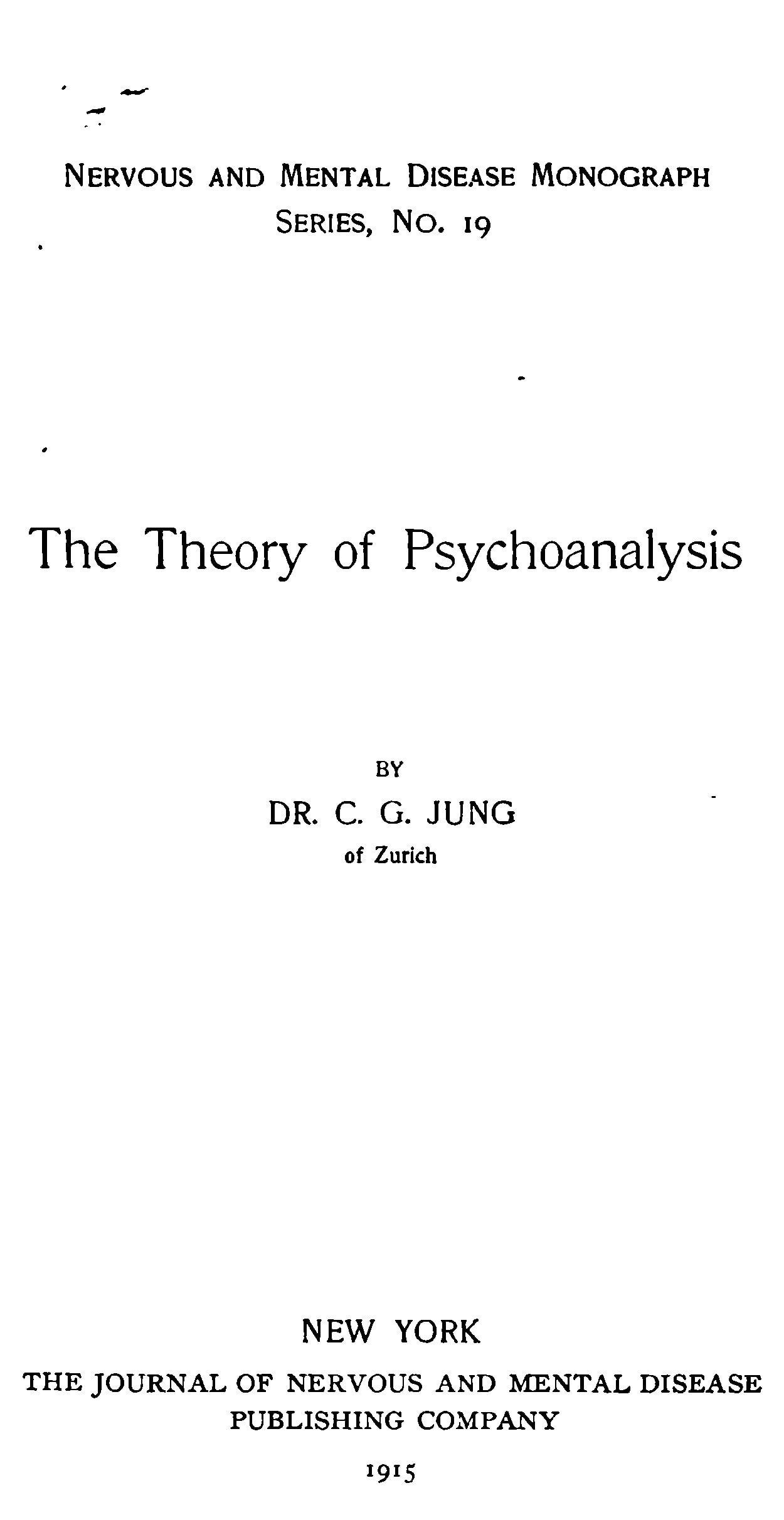
The Theory of Psychoanalysis
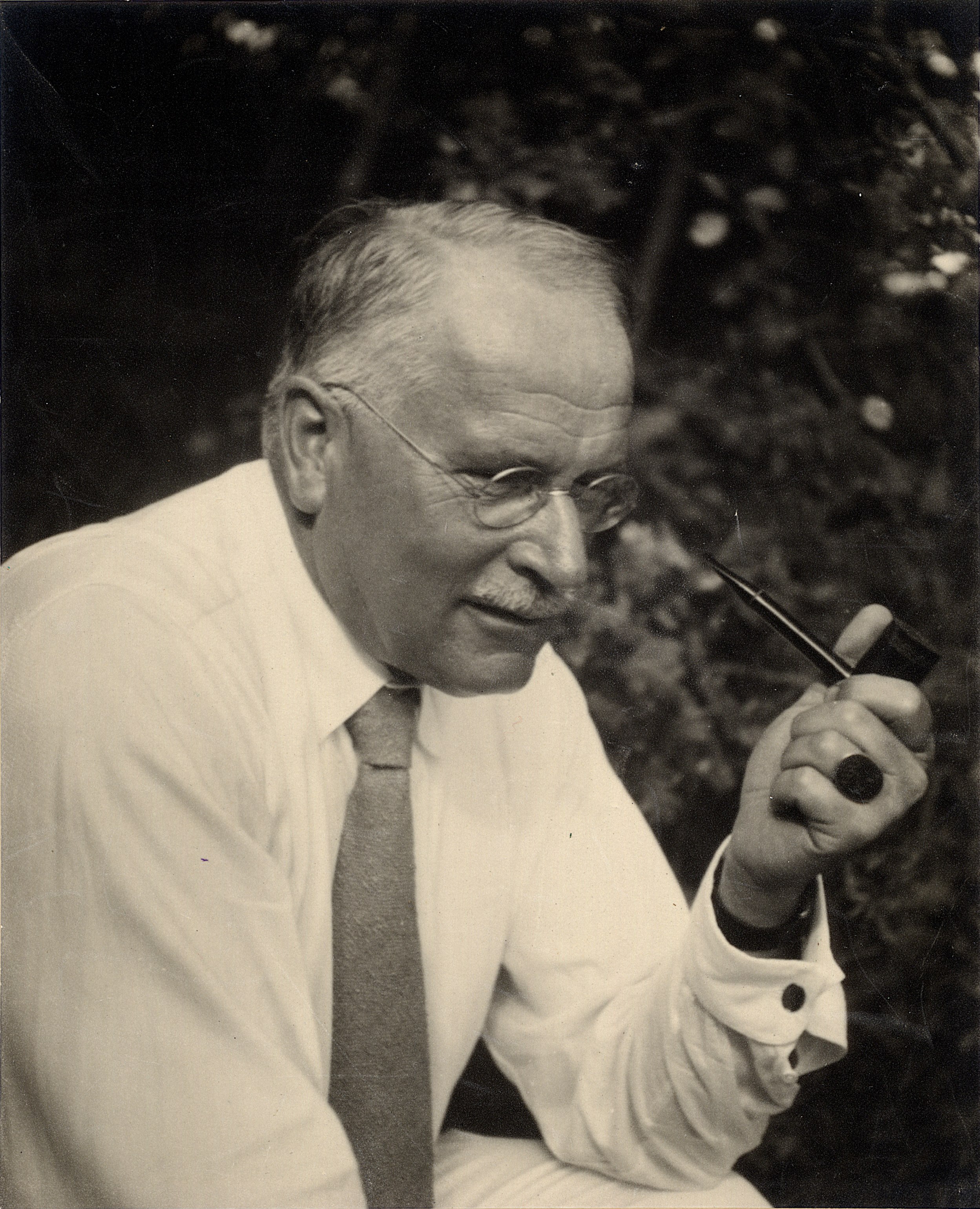
In 1913, Carl Jung broke from Sigmund Freud in what would become one of the most consequential intellectual ruptures of the twentieth century. This book is the record of that rupture: Jung's systematic critique of Freudian psychoanalysis and his articulation of an alternative vision of the human psyche. Here Jung challenges Freud's theory of libido as purely sexual, disputes the centrality of infantile sexuality, and argues that Freud's emphasis on repression obscures the creative, generative nature of the unconscious. The text pulses with the energy of a thinker who had absorbed his mentor's framework thoroughly enough to shatter it. Jung was not merely disagreeing with Freud; he was building the foundations of analytical psychology while demolishing what he saw as Freud's reductionism. The work is essential reading for understanding how modern psychology fractured into competing schools, and why Jung's concept of the collective unconscious, archetypes, and individuation still resonate a century later. For anyone curious about the roots of therapeutic practice, the history of ideas, or the drama of intellectual rebellion, this book reveals the moment psychology became aplurality rather than a monolith.
Editions
X-Ray
“…retreat from life leads to regression, and regression heightens resistance to life.””
— C. G. Jung
“The pathogenic conflict exists only in the present moment. It is just as if a nation wanted to regard its miserable political conditions at the actual moment as due to the past ; as if the Germany of the 19th century had attributed its political dismemberment and incapacity to its suppression by the Romans, instead of having sought the actual sources of her difficulties in the present. Only in the actual present are the effective causes, and only here are the possibilities of removing them.””
— C. G. Jung
“It is an every-day experience that our emotions are never at the level of our reasoning.””
— C. G. Jung
“Official criticism participates in the pitiable fate of Proktophantasmist and his lamentation in the Walpurgis-night: "You still are here? Nay, 'tis a thing unheard! Vanish at once ! We've said the enlightening word." Such criticism has omitted to take to heart the truth that all that exists has sufficient right to its existence: no less is it with psychoanalysis.””
— C. G. Jung
Link to this book
Add a free, dofollow link to Lex on your blog, forum, syllabus, or reading list.

<a href="https://lex-books.com/book/the-theory-of-psychoanalysis-dbc50d4e-fe02-4566-b4b8-7ee660039082"><img src="https://lex-books.com/badges/read-on-lex.svg" alt="Read The Theory of Psychoanalysis by C. G. Jung free on Lex" width="160" height="40"></a>[](https://lex-books.com/book/the-theory-of-psychoanalysis-dbc50d4e-fe02-4566-b4b8-7ee660039082)[url=https://lex-books.com/book/the-theory-of-psychoanalysis-dbc50d4e-fe02-4566-b4b8-7ee660039082][img]https://lex-books.com/badges/read-on-lex.svg[/img][/url]Read The Theory of Psychoanalysis by C. G. Jung free on Lex: https://lex-books.com/book/the-theory-of-psychoanalysis-dbc50d4e-fe02-4566-b4b8-7ee660039082Cite this book
Reading this edition for a paper or guide? Copy a citation.
Jung, C. G.. The Theory of Psychoanalysis. Lex, lex-books.com/book/the-theory-of-psychoanalysis-dbc50d4e-fe02-4566-b4b8-7ee660039082.Jung, C. G. (n.d.). The Theory of Psychoanalysis. Lex. https://lex-books.com/book/the-theory-of-psychoanalysis-dbc50d4e-fe02-4566-b4b8-7ee660039082Jung, C. G.. The Theory of Psychoanalysis. Lex. https://lex-books.com/book/the-theory-of-psychoanalysis-dbc50d4e-fe02-4566-b4b8-7ee660039082.