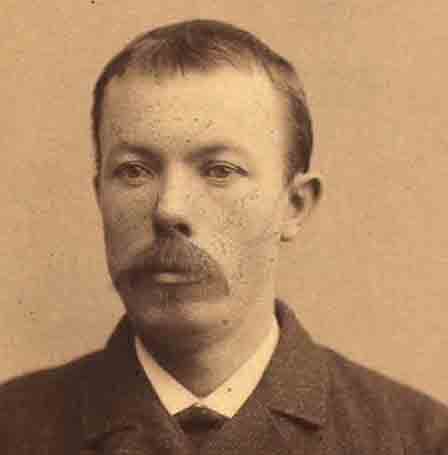
Arne Garborg
Arne Garborg was a prominent Norwegian writer and a key figure in the development of the Nynorsk literary language, known as Landsmål. Born Aadne Eivindsson Garborg, he was a passionate advocate for linguistic reform and cultural identity in Norway. His literary contributions included a notable translation of Homer's Odyssey into Nynorsk, which showcased the potential of this language for high literature. In 1877, he founded the influential weekly magazine Fedraheimen, where he championed various reforms across political, social, religious, and agrarian spheres, reflecting his commitment to progressive change in Norwegian society. Garborg's works often explored themes of identity, culture, and the struggles of the individual within society. His literary significance lies not only in his advocacy for Nynorsk but also in his ability to weave complex narratives that resonated with the Norwegian populace. His marriage to fellow writer Hulda Garborg further enriched his literary life, as they collaborated on various projects. Garborg's legacy endures as a pioneer of modern Norwegian literature and a crucial figure in the cultural awakening of Norway during the late 19th and early 20th centuries.
Famous Quotes
View all 3 quotes“To love a person is to learn the song that is in their heart and to sing it to them when they have forgotten.”
“For money you can have everything it is said. No, that is not true. You can buy food, but not appetite; medicine, but not health; soft beds, but not sleep; knowledge but not intelligence; glitter, but not comfort; fun, but not pleasure; acquaintances, but not friendship; servants, but not faithfulness; grey hair, but not honor; quiet days, but not peace. The shell of all things you can get for money. But not the kernel. That cannot be had for money.”
“Norwegian Arne Garborg was nominated for the Nobel Prize in literature six times. He said “To love a person is to learn the song that is in their heart, and to sing it to them when they have forgotten it.”
Books from the author


Link to this page
Add a free, dofollow link to Lex on your blog, forum, syllabus, or reading list.

<a href="https://lex-books.com/author/arne-garborg"><img src="https://lex-books.com/badges/read-on-lex.svg" alt="Arne Garborg on Lex" width="160" height="40"></a>[](https://lex-books.com/author/arne-garborg)[url=https://lex-books.com/author/arne-garborg][img]https://lex-books.com/badges/read-on-lex.svg[/img][/url]Arne Garborg on Lex: https://lex-books.com/author/arne-garborg