What would you like to read?Search books, authors, genres, shelves, users...
Search books, authors, genres, shelves, users...Search books, authors, genres, shelves, users...

What would you like to read?Search books, authors, genres, shelves, users...
Search books, authors, genres, shelves, users...Search books, authors, genres, shelves, users...
1 books
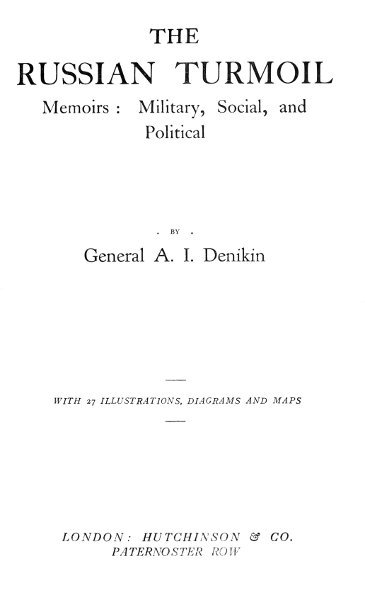
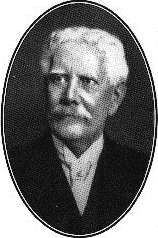
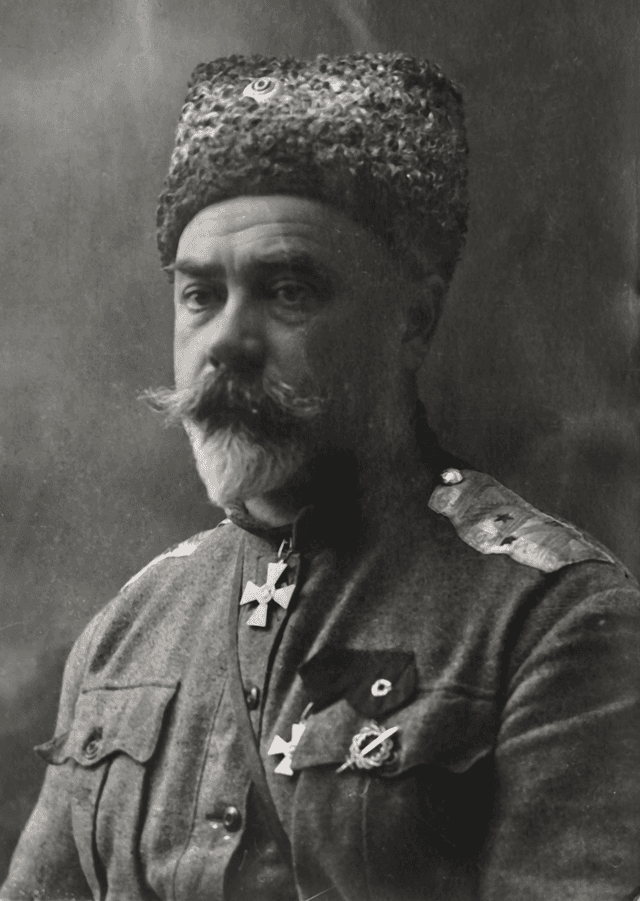
Anton Ivanovich Denikin (Russian: Анто́н Ива́нович Дени́кин; 16 December [O.S. 4 December] 1872 – 7 August 1947) was a Russian military leader who served as a lieutenant general in the Imperial Russian Army and as a leading general of the anti-Bolshevik White movement during the Russian Civil War. A veteran of the Russo-Japanese War and a highly decorated commander in World War I, Denikin rose to prominence for his leadership of the "Iron Brigade". Following the February Revolution, he became a vocal critic of the Russian Provisional Government's military policies. After the October Revolution, he was a co-founder of the anti-Bolshevik Volunteer Army in South Russia. He assumed command of the army in April 1918 and became the Commander-in-Chief of the Armed Forces of South Russia (AFSR) in January 1919. In mid-1919, Denikin's forces launched the Moscow offensive, a major assault that captured large swathes of territory and advanced to within 350 kilometres (220 miles) of the capital, representing the high-water mark of the White movement. However, the offensive was ultimately defeated by a Red Army counter-attack. The defeat was attributed to several factors, including overstretched supply lines and the White movement's political failures. Denikin's government, the Special Council, failed to implement an effective land reform policy to win the support of the peasantry, while its uncompromising slogan of "a great, united, and indivisible Russia" alienated potential allies, including the Cossacks and various national minorities. The territories under Denikin's control were also ravaged by waves of brutal antisemitic pogroms, which he failed to suppress, discrediting the movement internationally and eroding its internal discipline.