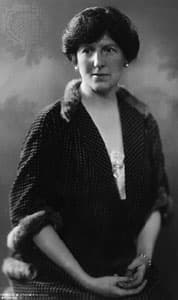
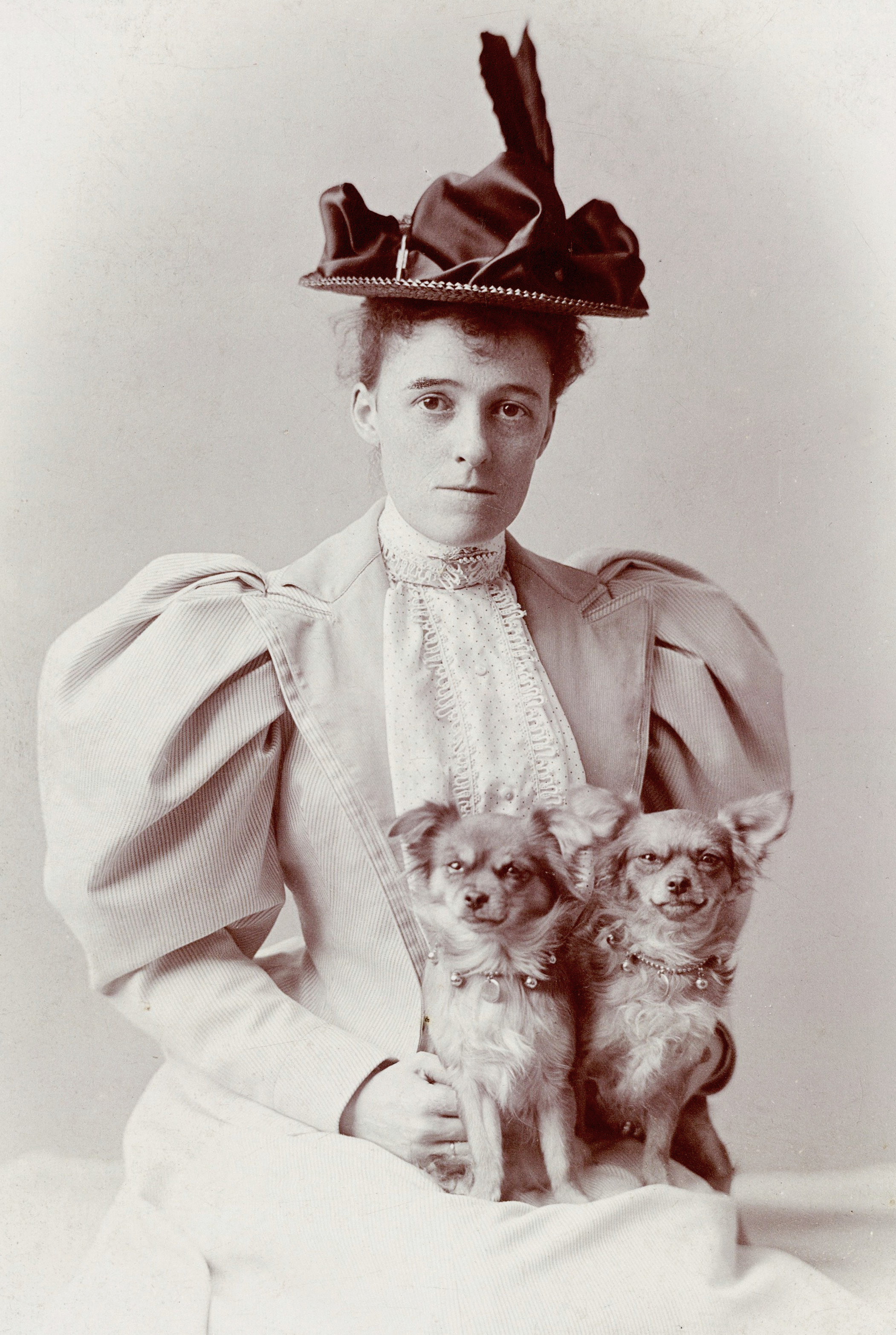
Alice Duer Miller
Alice Duer Miller was an influential American writer known for her poetry and prose that engaged with significant social and political issues of her time. A prominent figure in the suffrage movement, her feminist verses played a crucial role in shaping public opinion and advocating for women's rights. Her work often blended literary artistry with activism, making her a notable voice in early 20th-century American literature. Among her most recognized works is the verse novel 'The White Cliffs,' which not only captured the spirit of the era but also impacted political thought as the United States approached its involvement in World War II. In addition to her poetry, Miller authored several novels and screenplays, showcasing her versatility as a writer. Her literary contributions extended beyond mere entertainment; they served as a catalyst for discussion and change, particularly regarding women's roles in society. Through her creative endeavors, Alice Duer Miller left a lasting legacy that intertwined literature with the pressing social issues of her time, marking her as a significant figure in both the literary and feminist landscapes of the early 20th century.
Famous Quotes
View all 3 quotes“People love to talk but hate to listen. Listening is not merely not talking, though even that is beyond most of our powers; it means taking a vigorous, human interest in what is being told us. You can listen like a blank wall or like a splendid auditorium where every sound comes back fuller and richer.”
“It is among the commonplaces of education that we often first cut off the living root and then try to replace its natural functions by artificial means. Thus we suppress the child's curiosity and then when he lacks a natural interest in learning he is offered special coaching for his scholastic coaching for his scholastic difficulties.”
“Friendship is unnecessary, like philosophy like art... It has no survival value; rather it is one of those things that give values to survival.”
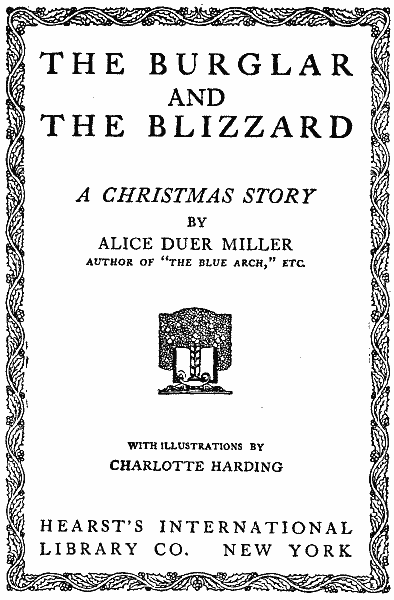
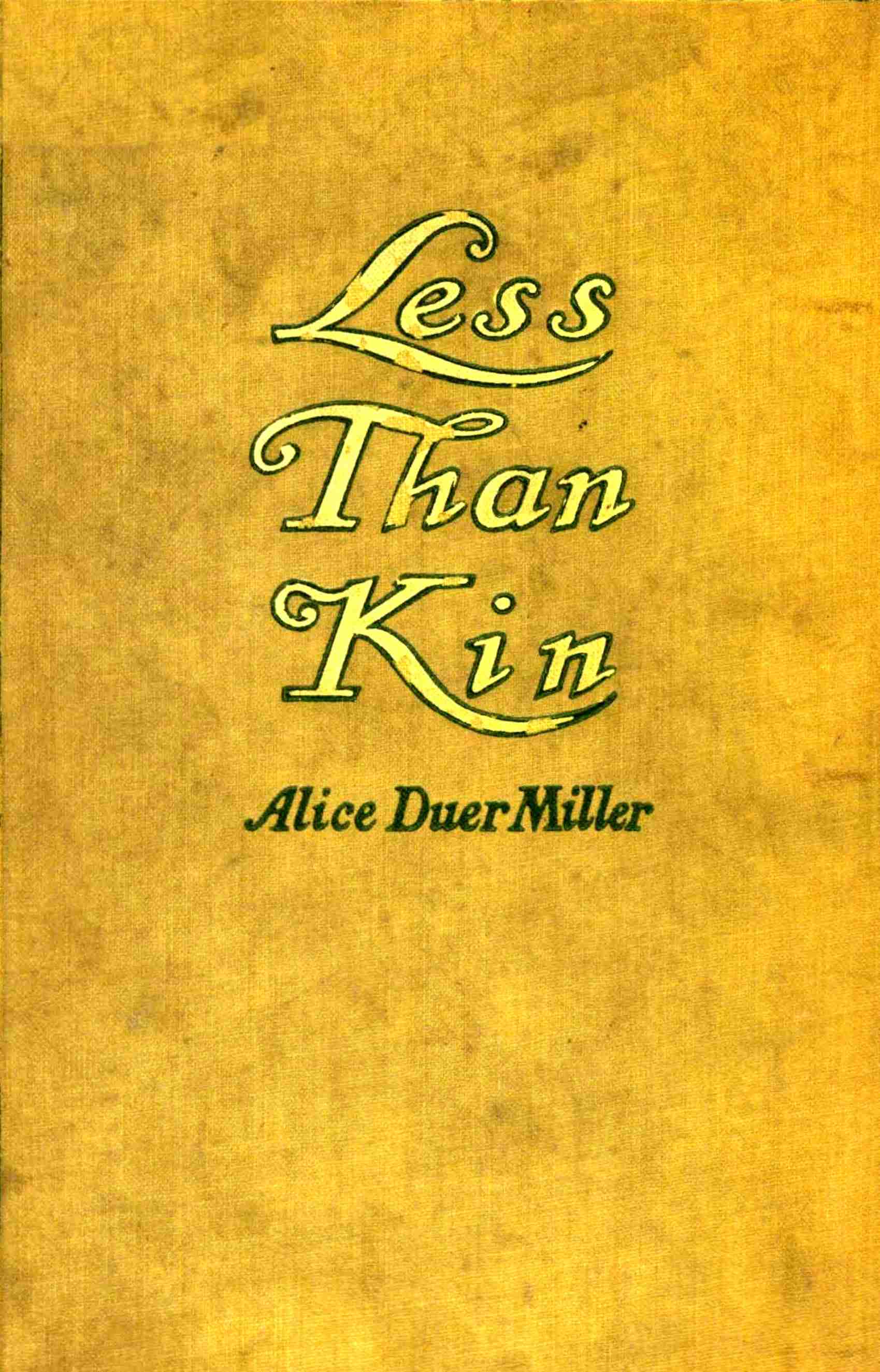
Books from the author









Link to this page
Add a free, dofollow link to Lex on your blog, forum, syllabus, or reading list.

<a href="https://lex-books.com/author/alice-duer-miller"><img src="https://lex-books.com/badges/read-on-lex.svg" alt="Alice Duer Miller on Lex" width="160" height="40"></a>[](https://lex-books.com/author/alice-duer-miller)[url=https://lex-books.com/author/alice-duer-miller][img]https://lex-books.com/badges/read-on-lex.svg[/img][/url]Alice Duer Miller on Lex: https://lex-books.com/author/alice-duer-miller