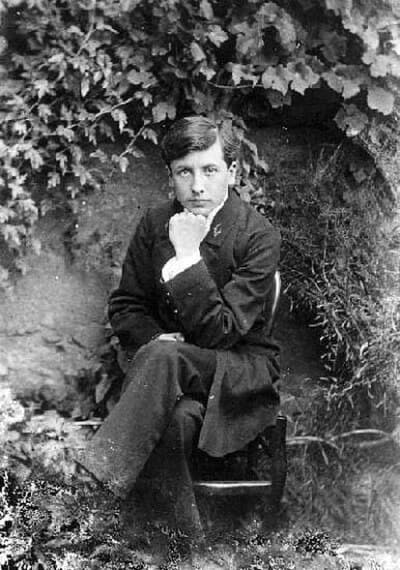
Alain-Fournier
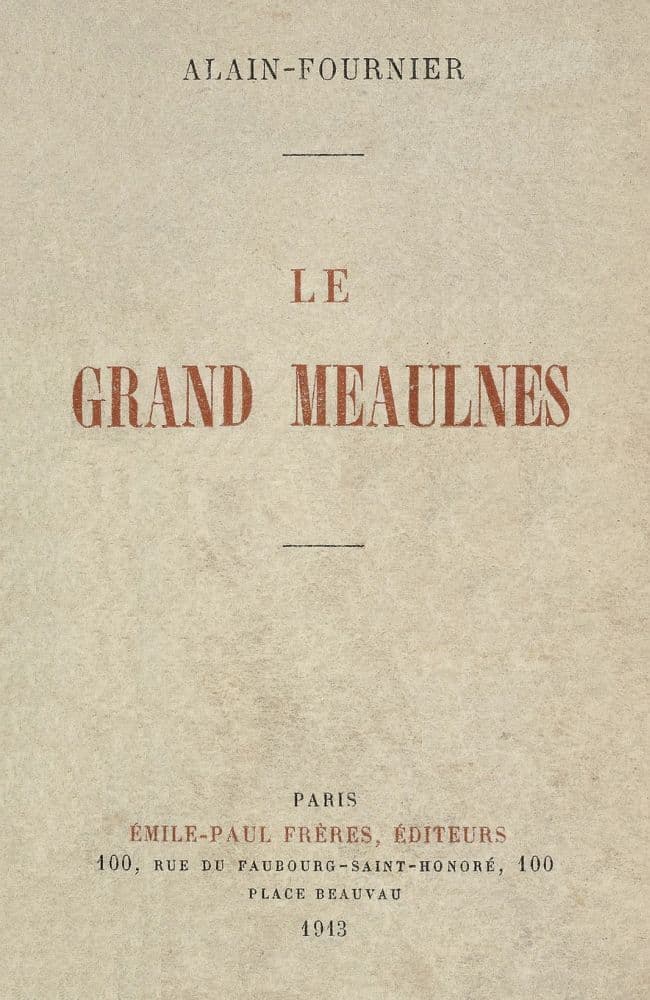
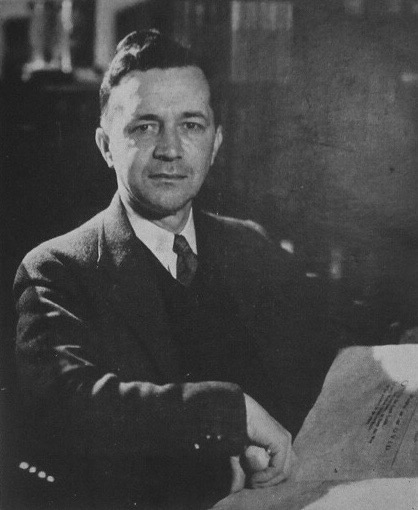
Henri-Alban Fournier, known by his pseudonym Alain-Fournier, was a French author whose literary legacy is encapsulated in his only novel, Le Grand Meaulnes. Published in 1913, this coming-of-age story is a poignant exploration of youth, nostalgia, and the elusive nature of dreams, drawing heavily from Fournier's own childhood experiences. The narrative follows the adventures of Augustin Meaulnes, whose quest for a mysterious lost domain symbolizes the universal search for meaning and belonging. The novel has been adapted into film twice, further cementing its status as a classic of French literature. Despite his brief life, cut short by World War I, Alain-Fournier's impact on literature has been profound. Le Grand Meaulnes is often regarded as a precursor to the modernist movement, influencing subsequent writers with its lyrical prose and themes of idealism and disillusionment. His work continues to resonate within the canon of French literature, celebrated for its emotional depth and exploration of the complexities of adolescence. Alain-Fournier's legacy endures, as his singular novel remains a touchstone for discussions on the nature of memory and the passage of time.
Famous Quotes
View all 3 quotes“This evening, which I have tried to spirit away, is a strange burden to me. While time moves on, while the day will soon end and I already wish it gone, there are men who have entrusted all their hopes to it, all their love and their last efforts. There are dying men or others who are waiting for a debt to come due, who wish that tomorrow would never come. There are others for whom the day will break like a pang of remorse; and others who are tired, for whom the night will never be long enough to give them the rest that they need. And I - who have lost my day - what right do I have to wish that tomorrow comes?”
“Je pensais de meme que notre jeunesse etait finie et le bonheur manqué. I thought too that our youth was over and we had failed to find happiness.”
“Weeks went by, then months. I am speaking of a far-away time - a vanished happiness. It fell to me to befriend, to console with whatever words I could find, one who had been the fairy, the princess, the mysterious love-dream of our adolescence - and it fell to me because my companion had fled. Of that period ... what can I say? I've kept a single image of that time, and it is already fading: the image of a lovely face grown thin and of two eyes whose lids slowly droop as they glance at me, as if her gaze was unable to dwell on anything but an inner world.”
Books from the author

Link to this page
Add a free, dofollow link to Lex on your blog, forum, syllabus, or reading list.

<a href="https://lex-books.com/author/alain-fournier"><img src="https://lex-books.com/badges/read-on-lex.svg" alt="Alain-Fournier on Lex" width="160" height="40"></a>[](https://lex-books.com/author/alain-fournier)[url=https://lex-books.com/author/alain-fournier][img]https://lex-books.com/badges/read-on-lex.svg[/img][/url]Alain-Fournier on Lex: https://lex-books.com/author/alain-fournier