Woman in the Nineteenth Century
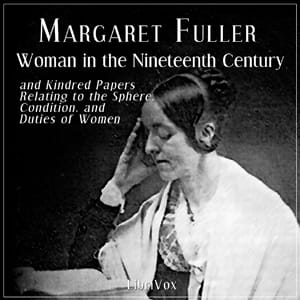
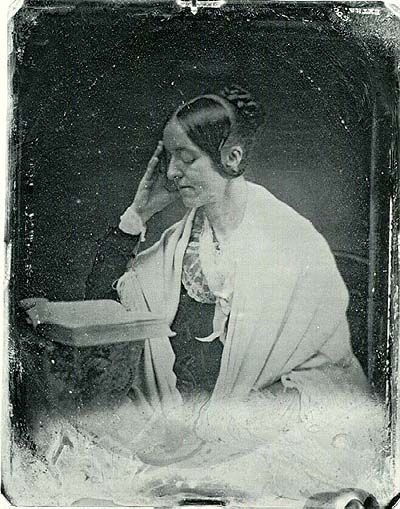
In 1845, when women could not vote, own property in their own names, or attend most universities, Margaret Fuller wrote the book that would become the foundation of American feminism. As the most celebrated intellectual in New England, the first female editor of The Dial, and the woman who forced Harvard to open its library to her, Fuller brought unmatched authority to her argument: that the subordination of women was not natural law but a social construction that denied half of humanity its full development. She examines what society loses when women are kept in a state of dependency, drawing on transcendentalist philosophy to argue that the individual soul knows no gender. The book moves through marriage, labor, education, and the spiritual vocation of women with a sweep and passion that feels startling even now. It is a work written in full consciousness of its historical moment, yet it speaks across centuries to anyone who has ever been told they are less than they might become.
Editions

Read by
Group Narration
9 readers
Bruce Pirie, Elizabeth Klett, Delmar H Dolbier, April Gonzales +6 more
Link to this book
Add a free, dofollow link to Lex on your blog, forum, syllabus, or reading list.

<a href="https://lex-books.com/book/woman-in-the-nineteenth-century-26defc8c-cee4-4287-acd7-b0f675358e51"><img src="https://lex-books.com/badges/read-on-lex.svg" alt="Read Woman in the Nineteenth Century by Margaret Fuller free on Lex" width="160" height="40"></a>[](https://lex-books.com/book/woman-in-the-nineteenth-century-26defc8c-cee4-4287-acd7-b0f675358e51)[url=https://lex-books.com/book/woman-in-the-nineteenth-century-26defc8c-cee4-4287-acd7-b0f675358e51][img]https://lex-books.com/badges/read-on-lex.svg[/img][/url]Read Woman in the Nineteenth Century by Margaret Fuller free on Lex: https://lex-books.com/book/woman-in-the-nineteenth-century-26defc8c-cee4-4287-acd7-b0f675358e51Cite this book
Reading this edition for a paper or guide? Copy a citation.
Fuller, Margaret. Woman in the Nineteenth Century. Lex, lex-books.com/book/woman-in-the-nineteenth-century-26defc8c-cee4-4287-acd7-b0f675358e51.Fuller, M. (n.d.). Woman in the Nineteenth Century. Lex. https://lex-books.com/book/woman-in-the-nineteenth-century-26defc8c-cee4-4287-acd7-b0f675358e51Fuller, Margaret. Woman in the Nineteenth Century. Lex. https://lex-books.com/book/woman-in-the-nineteenth-century-26defc8c-cee4-4287-acd7-b0f675358e51.