Utopia (Robinson translation)
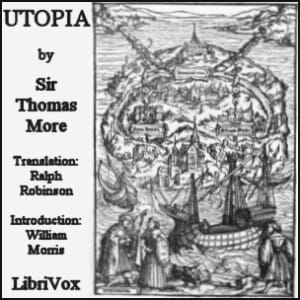
Thomas More's Utopia is a dazzling puzzle: a book that seems to celebrate a perfect society while simultaneously undermining the very idea of perfection. Written in 1516 as a Latin dialogue, it follows the traveler Raphael Hythloday, who recounts to More himself the customs of the remote island of Utopia, where property is common, money has been abolished, and citizens rotate through forced labor. But the satirical genius lies in what More does not say. Throughout the dialogue, More repeatedly challenges Hythloday's proposals, objecting that communism could never work among the corrupt masses, that wise men should engage with princes rather than withdraw from the world. The narrator himself admits his island may exist only in imagination. This tension between earnest reform and knowing skepticism has made Utopia the most consequential work of political satire ever written, a book that every utopia-lover and utopia-skeptic alike must confront.
Editions


Link to this book
Add a free, dofollow link to Lex on your blog, forum, syllabus, or reading list.

<a href="https://lex-books.com/book/utopia-robinson-translation-0f803b1b-31da-473f-9b06-37178ca97ed4"><img src="https://lex-books.com/badges/read-on-lex.svg" alt="Read Utopia (Robinson translation) by Thomas, Saint More free on Lex" width="160" height="40"></a>[](https://lex-books.com/book/utopia-robinson-translation-0f803b1b-31da-473f-9b06-37178ca97ed4)[url=https://lex-books.com/book/utopia-robinson-translation-0f803b1b-31da-473f-9b06-37178ca97ed4][img]https://lex-books.com/badges/read-on-lex.svg[/img][/url]Read Utopia (Robinson translation) by Thomas, Saint More free on Lex: https://lex-books.com/book/utopia-robinson-translation-0f803b1b-31da-473f-9b06-37178ca97ed4Cite this book
Reading this edition for a paper or guide? Copy a citation.
Thomas, Saint More. Utopia (Robinson translation). Lex, lex-books.com/book/utopia-robinson-translation-0f803b1b-31da-473f-9b06-37178ca97ed4.Thomas, S. M. (n.d.). Utopia (Robinson translation). Lex. https://lex-books.com/book/utopia-robinson-translation-0f803b1b-31da-473f-9b06-37178ca97ed4Thomas, Saint More. Utopia (Robinson translation). Lex. https://lex-books.com/book/utopia-robinson-translation-0f803b1b-31da-473f-9b06-37178ca97ed4.