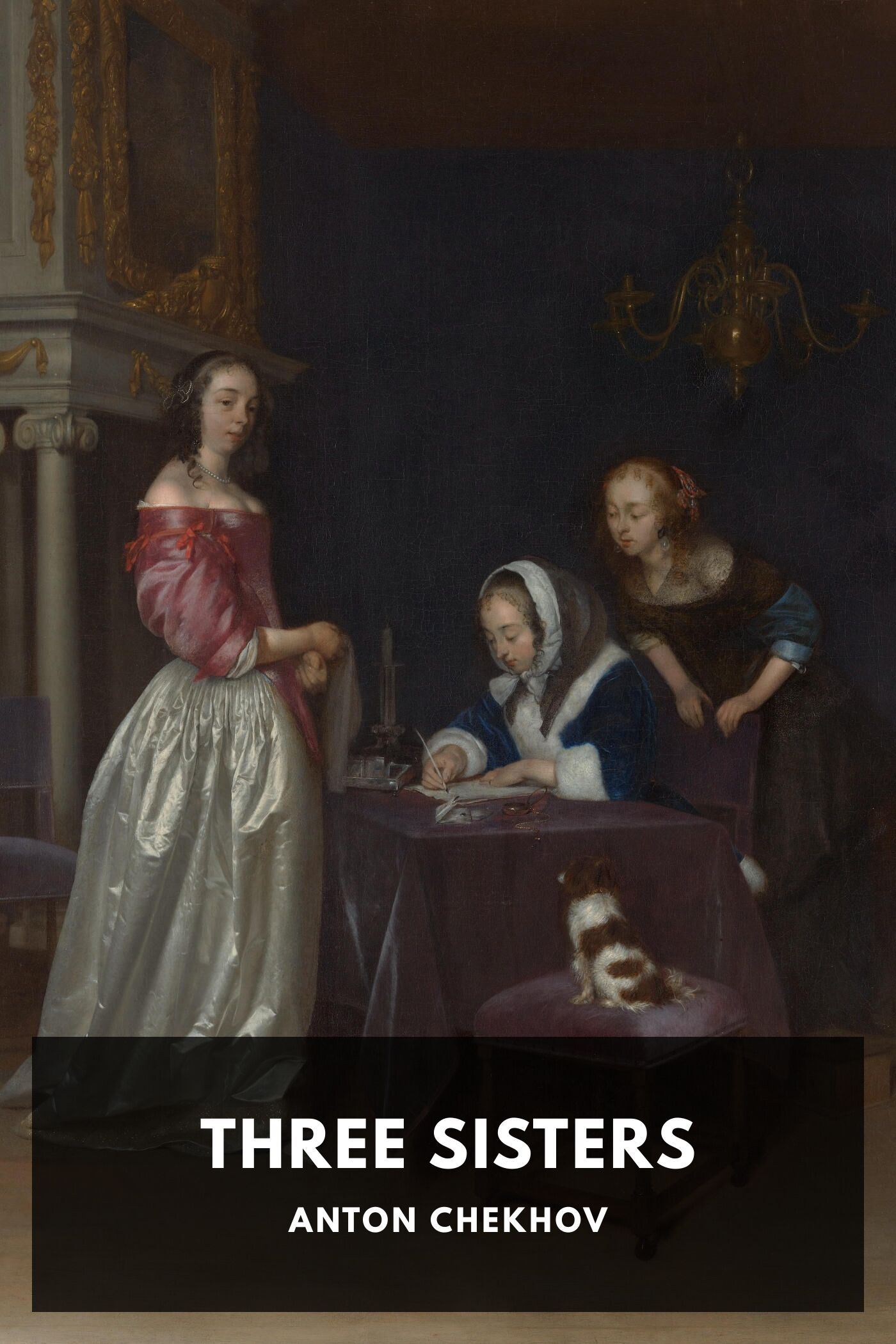
Three Sisters
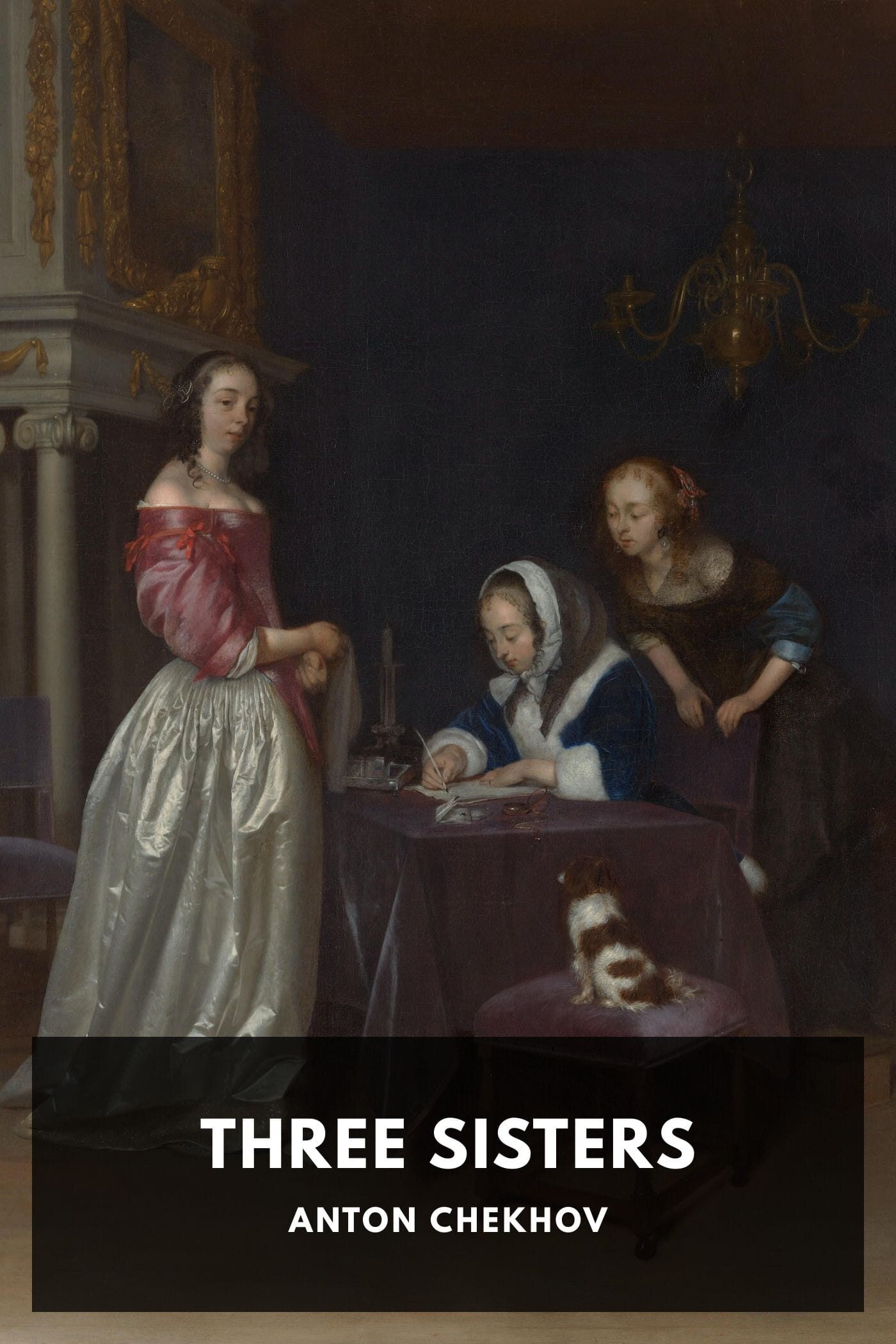
In a sleepy provincial Russian town, the Prozorov sisters—Olga, Masha, and Irina—along with their brother Andrey, dream of a glorious return to Moscow, the vibrant city of their youth. Olga longs to escape her thankless teaching job, Masha endures a stifling marriage, and Irina yearns for a love that transcends their humdrum existence. Andrey, a promising academic, seems destined for greatness. Their lives are momentarily brightened by the arrival of a lively military battery, offering intellectual company and fleeting distractions. However, as Andrey falls for the provincial, increasingly manipulative Natasha, their collective dreams of escape and fulfillment slowly unravel, swallowed by the mundane realities of their lives. Chekhov’s 1901 masterpiece is a profound meditation on the human condition, a symphony of unfulfilled desires and the quiet tragedy of lives lived in anticipation. It's a play where grand pronouncements about the future clash with the suffocating present, where the weight of inaction speaks louder than any dramatic gesture. *Three Sisters* endures not for its plot, but for its piercing psychological realism, its delicate balance of comedy and despair, and its timeless exploration of hope, disillusionment, and the relentless march of time that leaves even our most cherished dreams behind.
Editions

X-Ray
The eldest sister at 28, a high school teacher who dreams of returning to Moscow. She is responsible and caring but increasingly worn down by her provincial life.
The middle sister at 23, married to the schoolmaster Kulygin but deeply unhappy. She falls in love with Lieutenant-Colonel Vershinin, representing her desire for a more meaningful life.
The youngest sister at 20, idealistic and eager to work and find meaning in life. She becomes engaged to Baron Tuzenbach despite not loving him.
The brother of the three sisters, once promising but now trapped in a mediocre marriage to Natasha. He gambles away the family money and becomes increasingly isolated.
About Three Sisters
Chapter Summaries
- Act I
- On Irina's name day, one year after their father's death, the three sisters reminisce about Moscow while entertaining military officers. Andrey courts Natasha, and the sisters dream of returning to their beloved Moscow.
- Act II
- Eight months later, Natasha has married Andrey and begun taking control of the household. Masha and Vershinin's affair develops while Irina grows increasingly dissatisfied with her work at the telegraph office.
- Act III
- During a town fire at 2 AM, tensions explode as Natasha consolidates her power, Masha confesses her love for Vershinin, and Andrey reveals he has mortgaged the house. The military brigade prepares to leave.
Key Themes
- The Passage of Time and Lost Dreams
- The play chronicles how time erodes hopes and ideals. The sisters' dream of returning to Moscow becomes increasingly distant as years pass and circumstances change.
- Work and Meaning
- Characters struggle to find purpose through work, with Irina especially believing that meaningful labor will bring happiness, yet discovering that work alone cannot fulfill deeper spiritual needs.
- Love and Unfulfillment
- Various forms of love are explored - from Masha's passionate but doomed affair with Vershinin to Irina's inability to love Tuzenbach despite his devotion, showing how love often brings suffering rather than joy.
Characters
- Olga Sergeyevna Prosorova(protagonist)
- The eldest sister at 28, a high school teacher who dreams of returning to Moscow. She is responsible and caring but increasingly worn down by her provincial life.
- Masha Sergeyevna Kulygina(protagonist)
- The middle sister at 23, married to the schoolmaster Kulygin but deeply unhappy. She falls in love with Lieutenant-Colonel Vershinin, representing her desire for a more meaningful life.
- Irina Sergeyevna Prosorova(protagonist)
- The youngest sister at 20, idealistic and eager to work and find meaning in life. She becomes engaged to Baron Tuzenbach despite not loving him.
- Andrey Sergeyevich Prosorov(major)
- The brother of the three sisters, once promising but now trapped in a mediocre marriage to Natasha. He gambles away the family money and becomes increasingly isolated.
- Natalia Ivanovna (Natasha)(antagonist)
- Andrey's wife, a provincial woman who gradually takes over the household and pushes out the sisters. She represents the vulgar, materialistic forces that destroy the family's cultured life.
- Alexander Ignateyevich Vershinin(major)
- A 42-year-old Lieutenant-Colonel who knew the family in Moscow. He philosophizes about the future and has an affair with Masha, representing both hope and the impossibility of escape.
Link to this book
Add a free, dofollow link to Lex on your blog, forum, syllabus, or reading list.

<a href="https://lex-books.com/book/three-sisters-72702de1-d8a0-4b9c-8b09-671bdb338524"><img src="https://lex-books.com/badges/read-on-lex.svg" alt="Read Three Sisters by Anton Chekhov free on Lex" width="160" height="40"></a>[](https://lex-books.com/book/three-sisters-72702de1-d8a0-4b9c-8b09-671bdb338524)[url=https://lex-books.com/book/three-sisters-72702de1-d8a0-4b9c-8b09-671bdb338524][img]https://lex-books.com/badges/read-on-lex.svg[/img][/url]Read Three Sisters by Anton Chekhov free on Lex: https://lex-books.com/book/three-sisters-72702de1-d8a0-4b9c-8b09-671bdb338524Cite this book
Reading this edition for a paper or guide? Copy a citation.
Chekhov, Anton. Three Sisters. Lex, lex-books.com/book/three-sisters-72702de1-d8a0-4b9c-8b09-671bdb338524.Chekhov, A. (n.d.). Three Sisters. Lex. https://lex-books.com/book/three-sisters-72702de1-d8a0-4b9c-8b09-671bdb338524Chekhov, Anton. Three Sisters. Lex. https://lex-books.com/book/three-sisters-72702de1-d8a0-4b9c-8b09-671bdb338524.