The Cherry Orchard

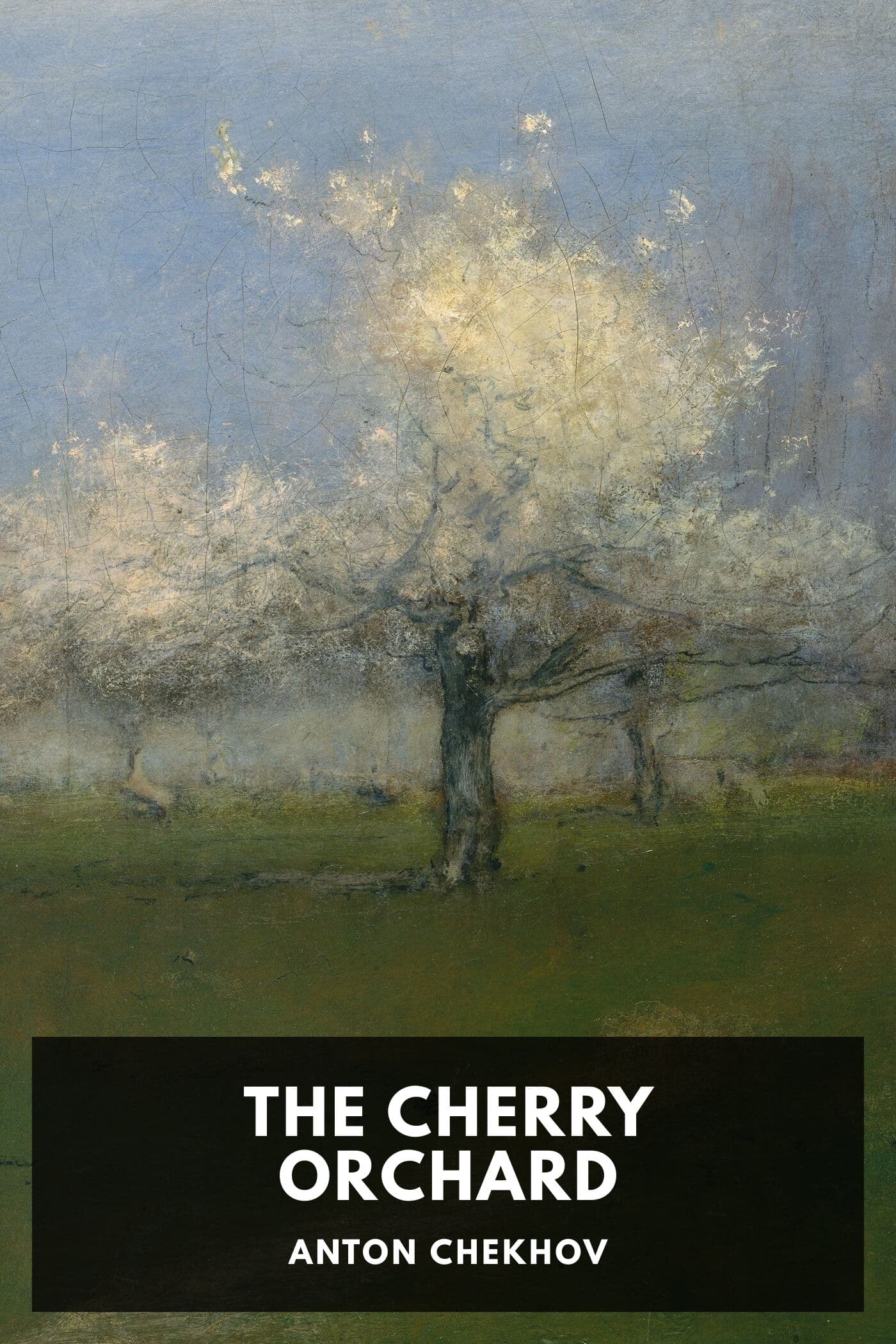
In Anton Chekhov's final, elegiac play, the heavily indebted Madame Lyubov Andreyevna Ranevsky returns to her ancestral estate and its beloved, sprawling cherry orchard, teetering on the brink of foreclosure. Alongside her feckless brother, Gaev, and the pragmatic, self-made merchant Lopakhin, Lyubov grapples with the impossible task of saving their legacy. As Lopakhin proposes radical, profit-driven solutions, and Lyubov's daughters, Anya and Varya, try to hold things together, a cast of eccentric servants and local hangers-on drift through the estate, each lost in their own anxieties and nostalgic reveries, oblivious to the impending doom. More than a simple domestic drama, *The Cherry Orchard* is a poignant, often darkly comic, x-ray of a society in flux. Chekhov masterfully captures the twilight of the Russian aristocracy and the inexorable rise of the merchant class, painting a vivid portrait of social upheaval at the turn of the 20th century. The play's genius lies in its delicate balance of farce and tragedy, its characters' inability to connect, and its profound meditation on memory, loss, and the relentless march of time. It's a timeless exploration of human folly and the heartbreaking beauty of letting go.
Editions

X-Ray
The aristocratic owner of the cherry orchard estate who has returned from Paris after five years abroad. She is emotionally volatile, financially irresponsible, and deeply attached to her childhood home despite being unable to save it.
A wealthy merchant whose father was a serf on the Ranevsky estate. He represents the rising merchant class and ultimately purchases the cherry orchard, symbolizing social transformation in Russia.
Lyubov's brother, an impractical aristocrat obsessed with billiards who makes grand speeches but takes no effective action. He represents the declining nobility's inability to adapt to changing times.
Lyubov's 17-year-old daughter who represents hope and the possibility of renewal. She is idealistic and falls under Trofimov's influence, embracing the idea of leaving the past behind.
About The Cherry Orchard
Chapter Summaries
- 1
- Lyubov Ranevsky returns from Paris to her family estate with her daughter Anya, finding the cherry orchard in bloom but the family in financial ruin. Lopahin proposes cutting down the orchard to build summer villas, but the family cannot accept this practical solution.
- 2
- In the countryside near the orchard, the characters reflect on their lives and futures. Trofimov speaks of progress and the need to abandon the past, while Lyubov reveals her troubled history in Paris. The act ends with Anya and Trofimov alone, embracing idealistic visions of the future.
- 3
- During a party at the estate, the cherry orchard is being auctioned in town. Lopahin returns to announce he has purchased the property, fulfilling his rise from serf's son to landowner. The family is devastated by the loss of their ancestral home.
Key Themes
- Social Change and Class Transformation
- The play depicts the decline of the Russian aristocracy and the rise of the merchant class. Lopahin's purchase of the estate where his ancestors were serfs symbolizes the complete reversal of social order in post-emancipation Russia.
- The Past vs. The Future
- Characters are divided between those clinging to the past (Lyubov, Gaev, Firs) and those embracing the future (Trofimov, Anya). The cherry orchard itself represents the beautiful but economically useless past that must be destroyed for progress.
- Inability to Act
- The aristocratic characters are paralyzed by their inability to make practical decisions. Despite knowing the orchard will be sold, they cannot bring themselves to take the necessary steps to save it, preferring romantic inaction to pragmatic solutions.
Characters
- Lyubov Andreyevna Ranevsky(protagonist)
- The aristocratic owner of the cherry orchard estate who has returned from Paris after five years abroad. She is emotionally volatile, financially irresponsible, and deeply attached to her childhood home despite being unable to save it.
- Yermolay Alexeyevitch Lopahin(major)
- A wealthy merchant whose father was a serf on the Ranevsky estate. He represents the rising merchant class and ultimately purchases the cherry orchard, symbolizing social transformation in Russia.
- Leonid Andreyevitch Gaev(major)
- Lyubov's brother, an impractical aristocrat obsessed with billiards who makes grand speeches but takes no effective action. He represents the declining nobility's inability to adapt to changing times.
- Anya(major)
- Lyubov's 17-year-old daughter who represents hope and the possibility of renewal. She is idealistic and falls under Trofimov's influence, embracing the idea of leaving the past behind.
- Varya(major)
- Lyubov's 24-year-old adopted daughter who manages the household and is deeply religious. She is practical but trapped between social classes, unable to marry Lopahin despite mutual attraction.
- Pyotr Sergeyevitch Trofimov(major)
- A perpetual student and idealist who was tutor to Lyubov's drowned son Grisha. He represents revolutionary ideals and the future, advocating for social progress and the abandonment of the past.
Link to this book
Add a free, dofollow link to Lex on your blog, forum, syllabus, or reading list.

<a href="https://lex-books.com/book/the-cherry-orchard-545d31c9-71e7-4e84-958a-2b3f6a56de20"><img src="https://lex-books.com/badges/read-on-lex.svg" alt="Read The Cherry Orchard by Anton Chekhov free on Lex" width="160" height="40"></a>[](https://lex-books.com/book/the-cherry-orchard-545d31c9-71e7-4e84-958a-2b3f6a56de20)[url=https://lex-books.com/book/the-cherry-orchard-545d31c9-71e7-4e84-958a-2b3f6a56de20][img]https://lex-books.com/badges/read-on-lex.svg[/img][/url]Read The Cherry Orchard by Anton Chekhov free on Lex: https://lex-books.com/book/the-cherry-orchard-545d31c9-71e7-4e84-958a-2b3f6a56de20Cite this book
Reading this edition for a paper or guide? Copy a citation.
Chekhov, Anton. The Cherry Orchard. Lex, lex-books.com/book/the-cherry-orchard-545d31c9-71e7-4e84-958a-2b3f6a56de20.Chekhov, A. (n.d.). The Cherry Orchard. Lex. https://lex-books.com/book/the-cherry-orchard-545d31c9-71e7-4e84-958a-2b3f6a56de20Chekhov, Anton. The Cherry Orchard. Lex. https://lex-books.com/book/the-cherry-orchard-545d31c9-71e7-4e84-958a-2b3f6a56de20.