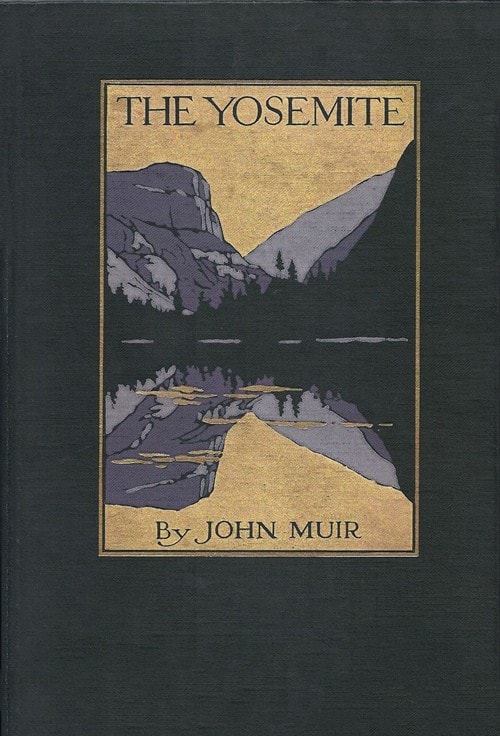
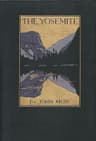
The Yosemite
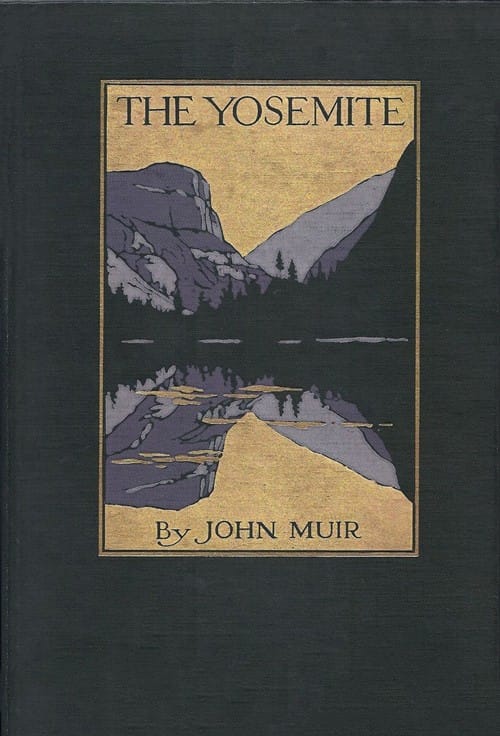
Muir's prose crackles with the electricity of first encounter. He approaches Yosemite not as a tourist but as a pilgrim, and his writing transforms a travel narrative into something closer to scripture. The book chronicles his physical journey westward, but more profoundly, it traces an inner passage from the civilized world into the raw, magnificent presence of wilderness. His descriptions of the Sierra Nevada's peaks, cascading waterfalls, and ancient forests vibrate with a lover's attention to detail, each paragraph an act of devotion. This is nature writing that refuses to be merely informative. It wants to convince you that wild places are not luxuries but necessities, that the sublime is not ornamental but essential to human flourishing. Muir wrote to save these places, and his words helped create Yosemite National Park. A century and a half later, his passionate conviction feels less like nostalgia and more like urgent necessity.
Editions
X-Ray
“All the world was before me and every day was a holiday, so it did not seem important to which one of the world's wildernesses I first should wander.””
— John Muir
“The making of gardens and parks goes on with civilization all over the world, and they increase both in size and number as their value is recognized. Everybody needs beauty as well as bread, places to play in and pray in, where Nature may heal and cheer and give strength to body and soul alike. This natural beauty-hunger is made manifest in the little windowsill gardens of the poor, though perhaps only a geranium slip in a broken cup, as well as in the carefully tended rose and lily gardens of the rich, the thousands of spacious city parks and botanical gardens, and in our magnificent National Parks”
— John Muir
“He was one of the most sincere tree-lovers I ever knew. About twenty years before his death he made choice of a plot in the Yosemite cemetery on the north side of the Valley, not far from the Yosemite Fall, and selecting a dozen or so of seedling sequoias in the Mariposa grove he brought them to the Valley and planted them around the spot he had chosen for his last rest. The ground there is gravelly and dry; by careful watering he finally nursed most of the seedlings into good, thrifty trees, and doubtless they will long shade the grave of their blessed lover and friend.””
— John Muir
“One must labor for beauty as for bread,””
— John Muir
“But no temple made with hands can compare with Yosemite. Every rock in its walls seems to glow with life. Some lean back in majestic repose; others, absolutely sheer or nearly so for thousands of feet, advance beyond their companions in thoughtful attitudes, giving welcome to storms and calms alike, seemingly aware, yet heedless, of everything going on about them.””
— John Muir
“Entering the Valley, gazing overwhelmed with the multitude of grand objects about us, perhaps the first to fix our attention will be the Bridal Veil, a beautiful waterfall on our right. Its brow, where it first leaps free from the cliff, is about 900 feet above us; and as it sways and sings in the wind, clad in gauzy, sun-sifted spray, half falling, half floating, it seems infinitely gentle and fine; but the hymns it sings tell the solemn fateful power hidden beneath its soft clothing.””
— John Muir
“A strangely dirty and irregular life these dark-eyed, dark-haired, half-happy savages lead in this clean wilderness.””
— John Muir
“I was out every day, and often all night, sleeping but little, studying the so-called wonders and common things ever on show, wading, climbing, sauntering among the blessed storms and calms, rejoicing in almost everything alike that I could see or hear: the glorious brightness of frosty mornings; the sunbeams pouring over the white domes and crags into the groves end waterfalls, kindling marvelous iris fires in the hoarfrost and spray; the great forests and mountains in their deep noon sleep; the good-night alpenglow; the stars; the solemn gazing moon, drawing the huge domes and headlands one by one glowing white out of the shadows hushed and breathless like an audience in awful enthusiasm, while the meadows at their feet sparkle with frost-stars like the sky; the sublime darkness of storm-nights, when all the lights are out; the clouds in whose depths the frail snow-flowers grow; the behavior and many voices of the different kinds of storms, trees, birds, waterfalls, and snow-avalanches in the ever-changing weather.””
— John Muir
“The wood is deliciously fragrant, fine in grain and texture and creamy yellow, as if formed of condensed sunbeams””
— John Muir
Link to this book
Add a free, dofollow link to Lex on your blog, forum, syllabus, or reading list.

<a href="https://lex-books.com/book/the-yosemite-19169703-5a1c-43a5-9bfd-910cabfb6a00"><img src="https://lex-books.com/badges/read-on-lex.svg" alt="Read The Yosemite by John Muir free on Lex" width="160" height="40"></a>[](https://lex-books.com/book/the-yosemite-19169703-5a1c-43a5-9bfd-910cabfb6a00)[url=https://lex-books.com/book/the-yosemite-19169703-5a1c-43a5-9bfd-910cabfb6a00][img]https://lex-books.com/badges/read-on-lex.svg[/img][/url]Read The Yosemite by John Muir free on Lex: https://lex-books.com/book/the-yosemite-19169703-5a1c-43a5-9bfd-910cabfb6a00Cite this book
Reading this edition for a paper or guide? Copy a citation.
Muir, John. The Yosemite. Lex, lex-books.com/book/the-yosemite-19169703-5a1c-43a5-9bfd-910cabfb6a00.Muir, J. (n.d.). The Yosemite. Lex. https://lex-books.com/book/the-yosemite-19169703-5a1c-43a5-9bfd-910cabfb6a00Muir, John. The Yosemite. Lex. https://lex-books.com/book/the-yosemite-19169703-5a1c-43a5-9bfd-910cabfb6a00.