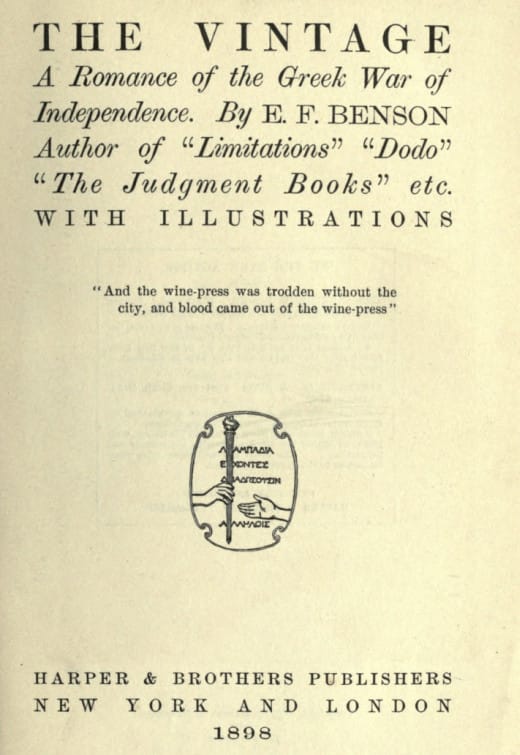
The Vintage: A Romance of the Greek War of Independence
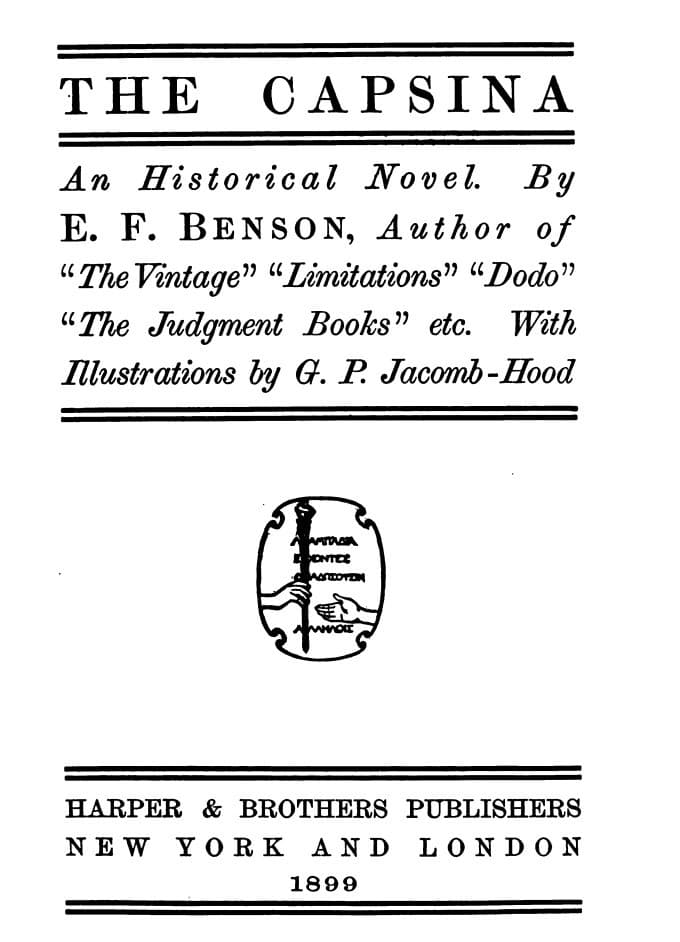
1898
Set against the smoldering backdrop of the Greek War of Independence, E.F. Benson's 1898 novel traces the transformation of Mitsos, a spirited young man from the occupied town of Nauplia, from vineyard worker to revolutionary. The story opens on a world of grinding oppression: Turkish taxes suffocate the populace, whispered resistance stirs in shadows, and Mitsos burns with a singular hunger for vengeance against the occupiers who have crushed his people. When his uncle Nicholas arrives, steeped in the dangerous work of underground rebellion, Mitsos finds both a cause and a path toward something larger than personal rage. But revolution demands sacrifice, and the vintage of the title carries weight beyond the harvest: it speaks to what is cultivated, what is ripened by suffering, and what must finally be gathered in blood. Benson writes with the visceral intensity of a novelist who understood that independence is not merely a political condition but a fire that remakes the soul. The novel captures the specific texture of occupied life the daily humiliations, the flickering hope, the terrible calculus of when to fight and when to endure and weaves it into a coming-of-age story that never softens its politics. The personal and the national collapse into each other: Mitsos' quest for vengeance becomes indistinguishable from Greece's quest for freedom. For readers who seek historical fiction that refuses to gentler its era's violence while finding genuine romance in the idea of a people refusing to kneel.
Editions
X-Ray
“There is a certain amount which I shan't mention publicly," Elizabeth said. "Things about Lucia which I should never dream of stating openly.""Those are just the ones I should like to hear about most," said Diva. "Just a few little titbits.””
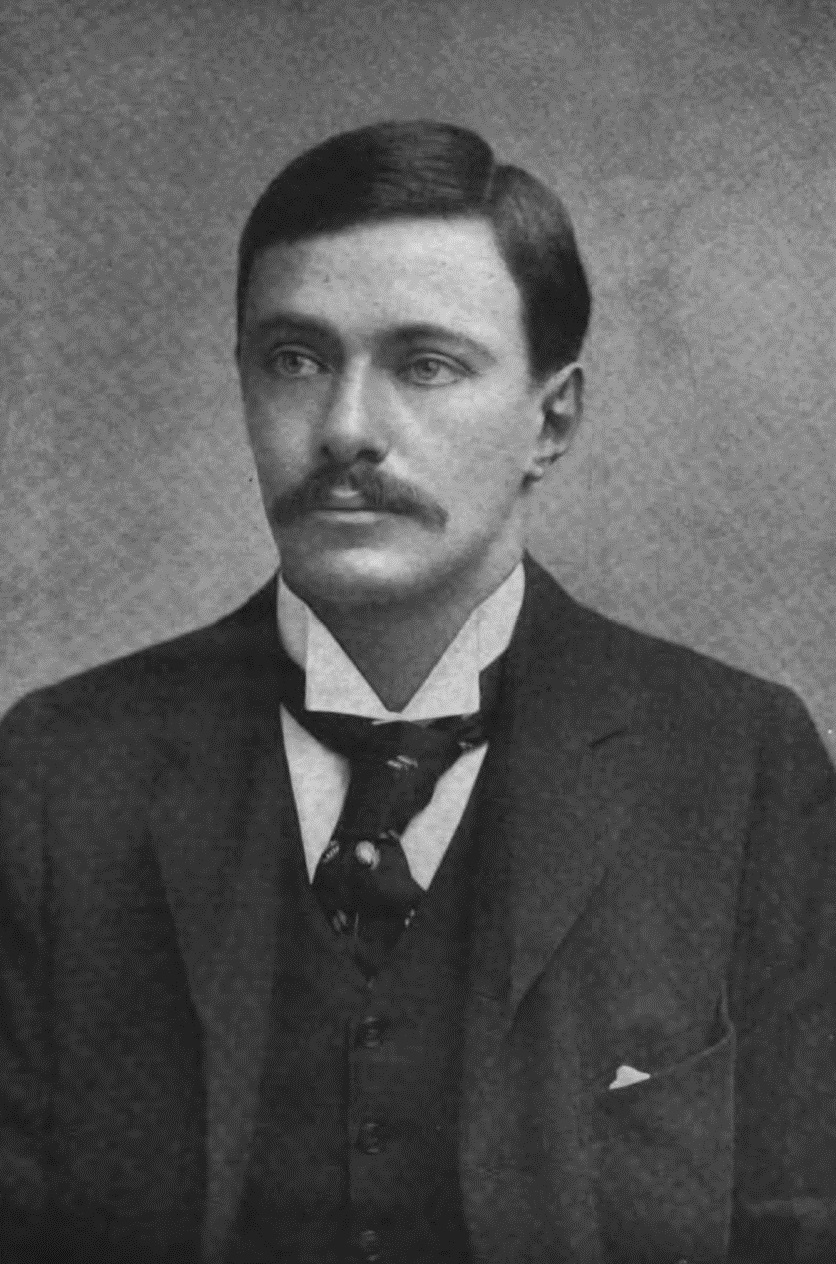
— E. F. Benson
“With her skin turned black with all those sunbaths, and her hair spiky and wiry with so many sea baths, Isobel resembled a cross between a kipper and a sea urchin.””
— E. F. Benson
Link to this book
Add a free, dofollow link to Lex on your blog, forum, syllabus, or reading list.

<a href="https://lex-books.com/book/the-vintage-a-romance-of-the-greek-war-of-independence-58361e42-d70d-4b58-9a4f-55151fce902b"><img src="https://lex-books.com/badges/read-on-lex.svg" alt="Read The Vintage: A Romance of the Greek War of Independence by E. F. Benson free on Lex" width="160" height="40"></a>[](https://lex-books.com/book/the-vintage-a-romance-of-the-greek-war-of-independence-58361e42-d70d-4b58-9a4f-55151fce902b)[url=https://lex-books.com/book/the-vintage-a-romance-of-the-greek-war-of-independence-58361e42-d70d-4b58-9a4f-55151fce902b][img]https://lex-books.com/badges/read-on-lex.svg[/img][/url]Read The Vintage: A Romance of the Greek War of Independence by E. F. Benson free on Lex: https://lex-books.com/book/the-vintage-a-romance-of-the-greek-war-of-independence-58361e42-d70d-4b58-9a4f-55151fce902bCite this book
Reading this edition for a paper or guide? Copy a citation.
Benson, E. F.. The Vintage: A Romance of the Greek War of Independence. Lex, lex-books.com/book/the-vintage-a-romance-of-the-greek-war-of-independence-58361e42-d70d-4b58-9a4f-55151fce902b.Benson, E. F. (1898). The Vintage: A Romance of the Greek War of Independence. Lex. https://lex-books.com/book/the-vintage-a-romance-of-the-greek-war-of-independence-58361e42-d70d-4b58-9a4f-55151fce902bBenson, E. F.. The Vintage: A Romance of the Greek War of Independence. Lex. https://lex-books.com/book/the-vintage-a-romance-of-the-greek-war-of-independence-58361e42-d70d-4b58-9a4f-55151fce902b.