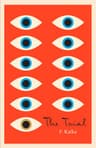
The Trial
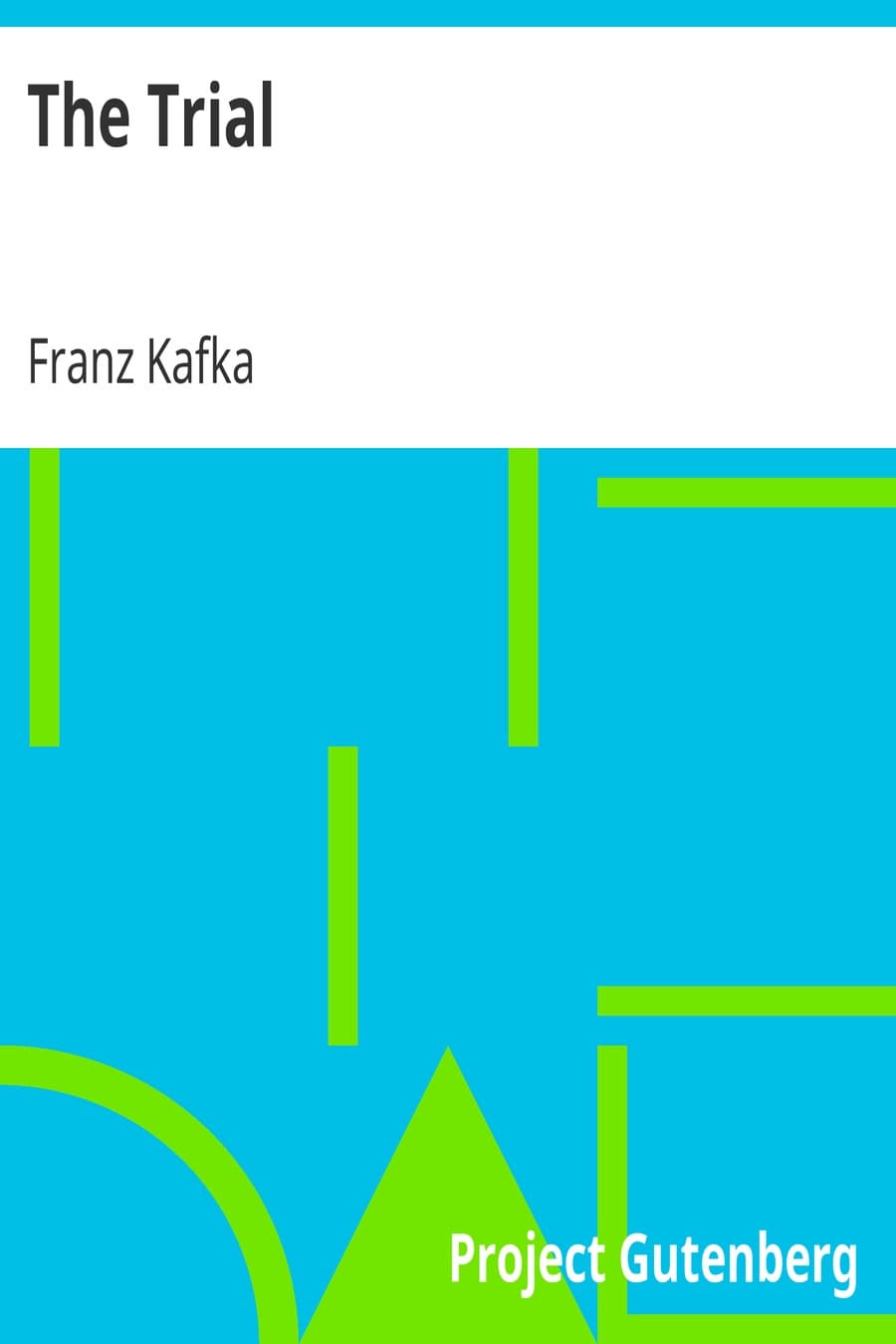
One morning, Josef K. wakes up to find himself under arrest. Not imprisoned, not dragged away - simply notified that the process has begun, that something is being done to him, that he is already guilty. The authorities who arrest him are polite, even apologetic. They allow him to go to work. They never explain what he's done. This is the nightmare at the heart of Kafka's greatest novel: not injustice, but a justice so opaque, so unreachable, that the accused can neither face his accusers nor prove his innocence. The system has no face. The crime has no name. Josef K. spends his days navigating a labyrinthine legal apparatus that seems to exist solely to consume him. He encounters a painter who specializes in rendering courthouse officials in compromising positions, a lawyer whose own case has remained unresolved for years, a cathedral that feels less like a place of worship than a bureaucratic crossroads. Every door opens onto another procedure, another waiting room, another explanation that explains nothing. Kafka's prose is precise and controlled, almost bureaucratic in its surface calm, which makes the horror underneath all the more suffocating. The Trial was never finished, and somehow that incompleteness is the point. The novel doesn't end so much as stop, the way a scream might, leaving Josef K. suspended in an endless, airless trial. This is for anyone who has ever felt, without quite knowing why, that they have already been found guilty.
Editions
Link to this book
Add a free, dofollow link to Lex on your blog, forum, syllabus, or reading list.

<a href="https://lex-books.com/book/the-trial-89cd1daf-4a89-4217-a0bb-8e43f007c1b6"><img src="https://lex-books.com/badges/read-on-lex.svg" alt="Read The Trial by Franz Kafka free on Lex" width="160" height="40"></a>[](https://lex-books.com/book/the-trial-89cd1daf-4a89-4217-a0bb-8e43f007c1b6)[url=https://lex-books.com/book/the-trial-89cd1daf-4a89-4217-a0bb-8e43f007c1b6][img]https://lex-books.com/badges/read-on-lex.svg[/img][/url]Read The Trial by Franz Kafka free on Lex: https://lex-books.com/book/the-trial-89cd1daf-4a89-4217-a0bb-8e43f007c1b6Cite this book
Reading this edition for a paper or guide? Copy a citation.
Kafka, Franz. The Trial. Lex, lex-books.com/book/the-trial-89cd1daf-4a89-4217-a0bb-8e43f007c1b6.Kafka, F. (n.d.). The Trial. Lex. https://lex-books.com/book/the-trial-89cd1daf-4a89-4217-a0bb-8e43f007c1b6Kafka, Franz. The Trial. Lex. https://lex-books.com/book/the-trial-89cd1daf-4a89-4217-a0bb-8e43f007c1b6.