The Odyssey

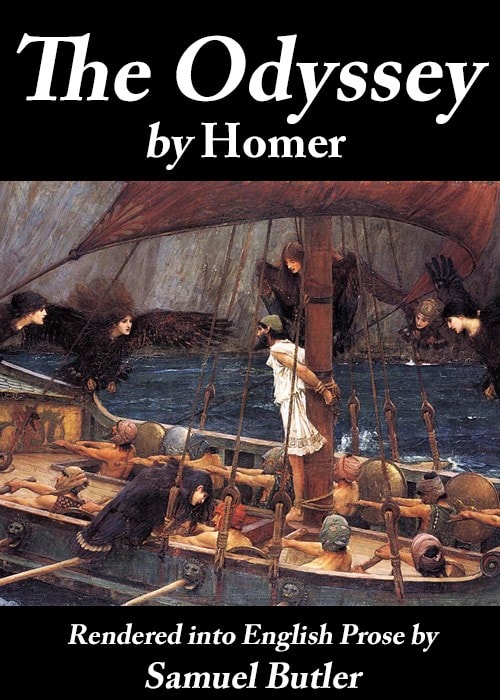
The Odyssey is the original homecoming story, and nothing since has matched it. After a decade fighting at Troy, Odysseus faces an even longer ordeal: ten years of storms, monsters, and divine hostility as he struggles to return to Ithaca, where his wife Penelope and young son Telemachus may have moved on without him. This isn't a tale of brute strength Odysseus cannot rely on his status as a warrior. Instead, he must outthink Cyclopes, resist the song of the Sirens, and navigate between Scylla and Charybdis. The cleverest hero of Greek myth discovers that getting home is the hardest battle of all. But the sea voyage is only half the story. Meanwhile in Ithaca, Penelope weaves and unweaves her famous shroud, delaying the suitors who pressure her to remarry, while Telemachus matures from boy to man, learning what it means to defend his father's legacy. The poem interweaves these parallel narratives until they converge in a climax that redefined what epic heroes could be. Fagles' translation preserves the rolling, oral-line rhythm of Homer's Greek, making this ancient tale feel immediate and vital. The Odyssey endures because it speaks to anyone who has ever fought to return to something they love.
Editions


X-Ray
“Of all creatures that breathe and move upon the earth, nothing is bred that is weaker than man.””
— Homer
“There is a time for many words, and there is also a time for sleep.””
— Homer
“There is nothing more admirable than when two people who see eye to eye keep house as man and wife, confounding their enemies and delighting their friends.””
— Homer
“A man who has been through bitter experiences and travelled far enjoys even his sufferings after a time””
— Homer
“Be strong, saith my heart; I am a soldier; I have seen worse sights than this.””
— Homer
“For a friend with an understanding heart is worth no less than a brother””
— Homer
“Men are so quick to blame the gods: they saythat we devise their misery. But theythemselves- in their depravity- designgrief greater than the griefs that fate assigns.””
— Homer
“Sleep, delicious and profound, the very counterfeit of death””
— Homer
“My name is Nobody.””
— Homer
Link to this book
Add a free, dofollow link to Lex on your blog, forum, syllabus, or reading list.

<a href="https://lex-books.com/book/the-odyssey-d2f378c1-a46e-4c39-bf07-6a42680e8862"><img src="https://lex-books.com/badges/read-on-lex.svg" alt="Read The Odyssey by Homer free on Lex" width="160" height="40"></a>[](https://lex-books.com/book/the-odyssey-d2f378c1-a46e-4c39-bf07-6a42680e8862)[url=https://lex-books.com/book/the-odyssey-d2f378c1-a46e-4c39-bf07-6a42680e8862][img]https://lex-books.com/badges/read-on-lex.svg[/img][/url]Read The Odyssey by Homer free on Lex: https://lex-books.com/book/the-odyssey-d2f378c1-a46e-4c39-bf07-6a42680e8862Cite this book
Reading this edition for a paper or guide? Copy a citation.
Homer. The Odyssey. Lex, lex-books.com/book/the-odyssey-d2f378c1-a46e-4c39-bf07-6a42680e8862.Homer (n.d.). The Odyssey. Lex. https://lex-books.com/book/the-odyssey-d2f378c1-a46e-4c39-bf07-6a42680e8862Homer. The Odyssey. Lex. https://lex-books.com/book/the-odyssey-d2f378c1-a46e-4c39-bf07-6a42680e8862.










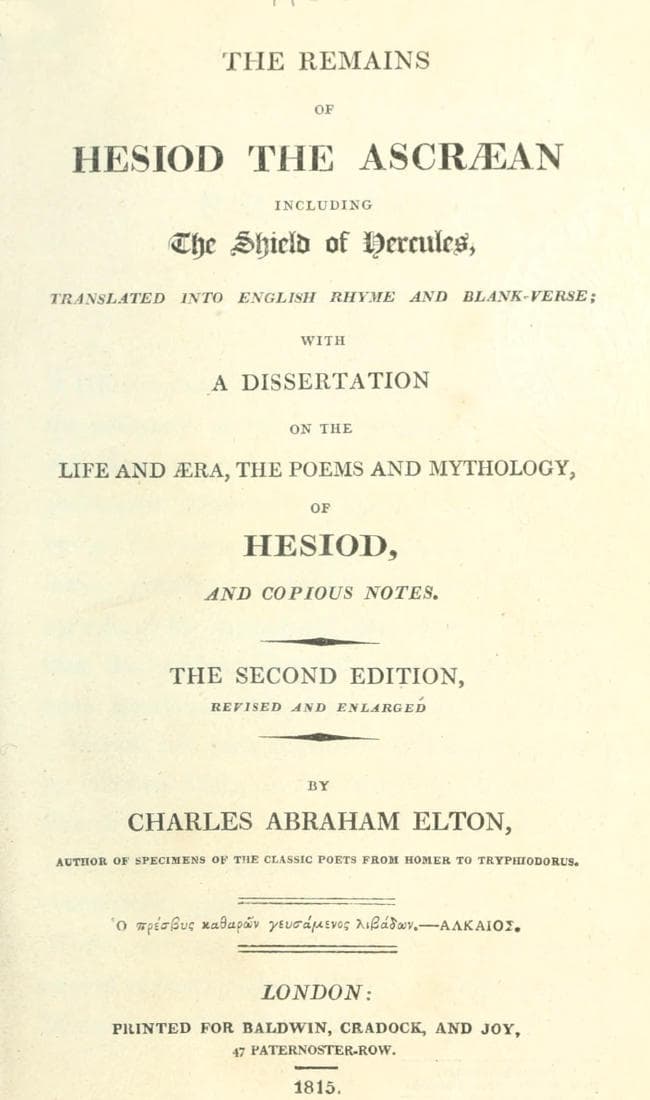
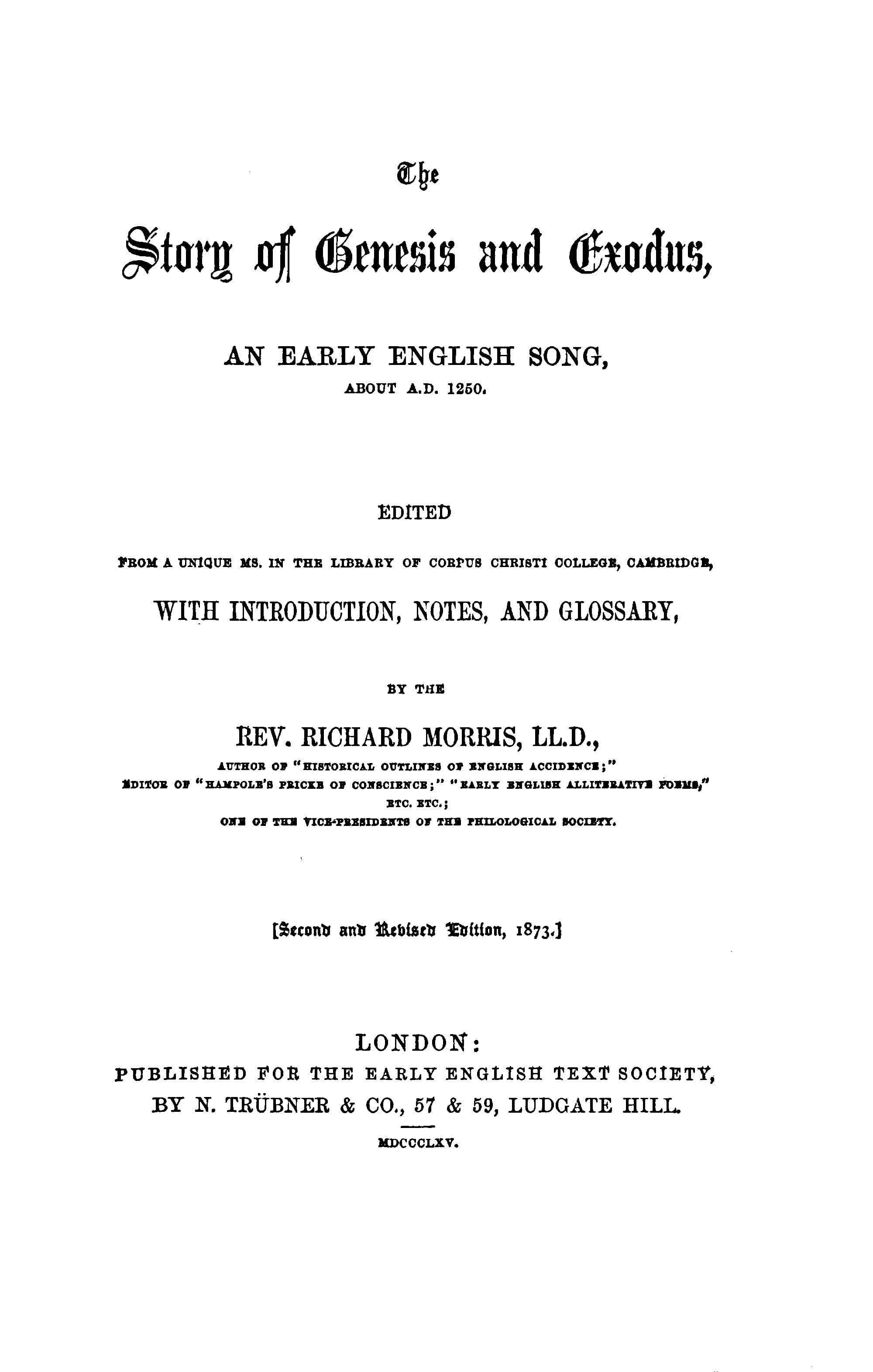
![Birds and Nature, Vol. 12 No. 1 [June 1902]illustrated by Color Photography](/_next/image?url=https%3A%2F%2Fd3b2n8gj62qnwr.cloudfront.net%2FCOVERS%2Fgutenberg_covers75k%2Febook-47881.png&w=3840&q=75)