The Mirror of the Sea
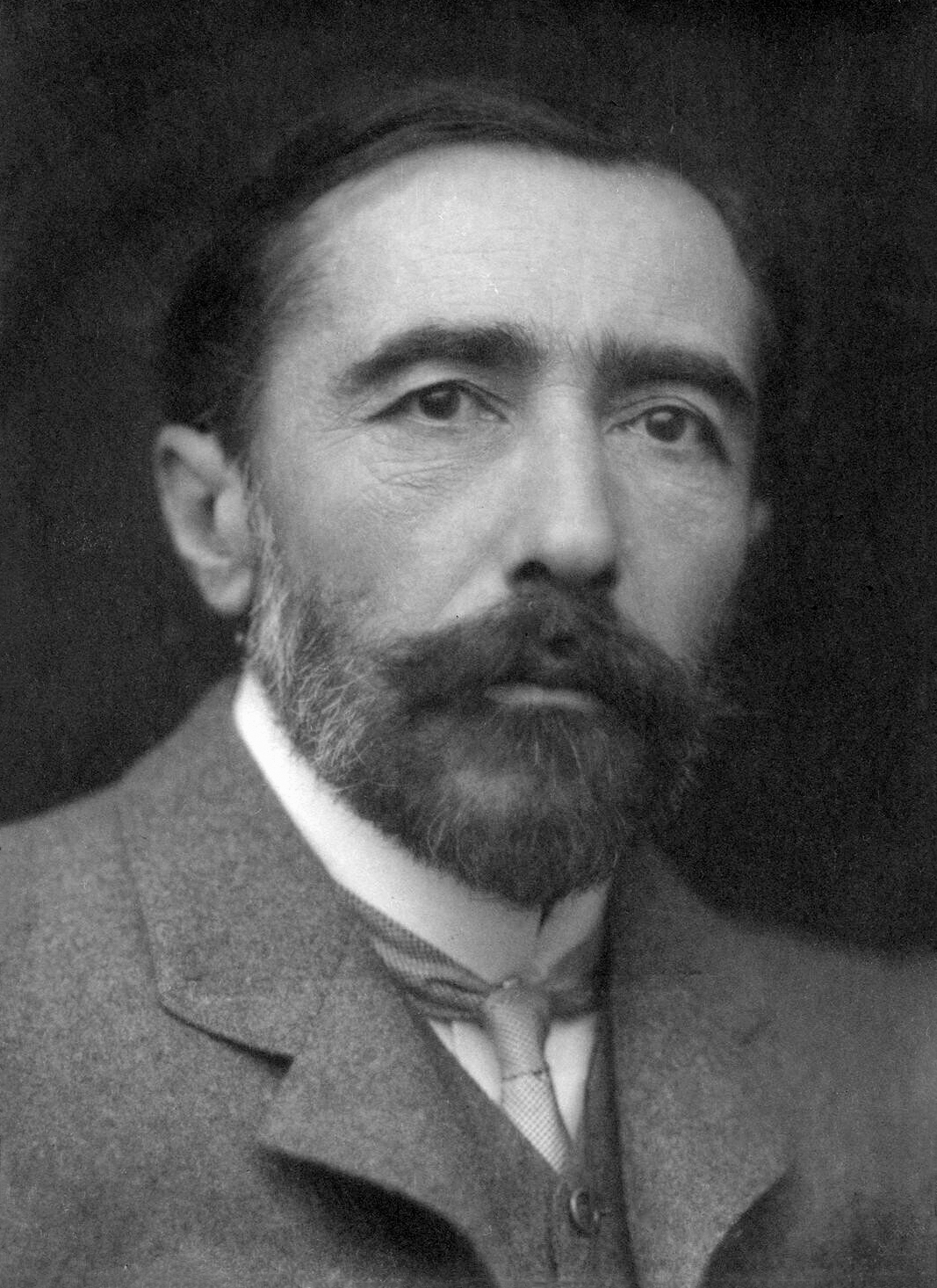
The Mirror of the Sea is Joseph Conrad's act of unreserved confession, a memoir written by a man who entered the merchant marine as a Polish teenager speaking no English and emerged as one of the greatest prose stylicians in the language. This is not a sea story with plots and storms, but something rarer: a meditation on the sea as fate, obsession, and the defining passion of a life. Conrad frames his memories through the twin pillars of nautical existence: Landfall, the vertiginous moment of arrival at an unknown shore, and Departure, the act of leaving everything familiar for the trackless deep. In between these poles, he writes of ships not as machines but as intimate companions, of waters that have witnessed centuries of human longing, of the peculiar silence that descends on a vessel far from land. The prose carries the weight of a man writing as if from his last hour, acknowledging that his love for the sea was 'unreasoning and invincible,' surviving disillusionment and the grinding weariness of a strenuous life. For readers who have ever felt the pull of unreachable horizons, or who simply wish to encounter a writer at the height of his powers reflecting on what it means to give oneself utterly to an elemental force, this book remains unsurpassed.
Editions

X-Ray
“It is a great doctor for sore hearts and sore heads, too, your ship’s routine, which I have seen soothe”
— Joseph Conrad
“Nowhere else than upon the sea do the days, weeks and months fall away quicker into the past. They seem to be left astern as easily as the light air-bubbles in the swirls of the ship’s wake, and vanish into a great silence in which your ship moves on with a sort of magical effect.””
— Joseph Conrad
“This is why the attainment of proficiency, the pushing of your skill with attention to the most delicate shades of excellence, is a matter of vital concern. Efficiency of a practically flawless kind may be reached naturally in the struggle for bread. But there is something beyond”
— Joseph Conrad
“A Departure, the last professional sight of land, is always good, or at least good enough. For, even if the weather be thick, it does not matter much to a ship having all the open sea before her bows.””
— Joseph Conrad
“That is the time, after your Departure is taken, when the spirit of your commander communes with you in a muffled voice, as if from the sanctum sanctorum of a temple; because, call her a temple or a “hell afloat””
— Joseph Conrad
“No adventure ever came to one for the asking. He who starts on a deliberate quest of adventure goes forth but to gather dead-sea fruit, unless, indeed, he be beloved of the gods and great amongst heroes, like that most excellent cavalier Don Quixote de la Mancha. By us ordinary mortals of a mediocre animus that is only too anxious to pass by wicked giants for so many honest windmills, adventures are entertained like visiting angels. They come upon our complacency unawares. As unbidden guests are apt to do, they often come at inconvenient times. And we are glad to let them go unrecognised, without any acknowledgment of so high a favour. After many years, on looking back from the middle turn of life’s way at the events of the past, which, like a friendly crowd, seem to gaze sadly after us hastening towards the Cimmerian shore, we may see here and there, in the gray throng, some figure glowing with a faint radiance, as though it had caught all the light of our already crepuscular sky. And by this glow we may recognise the faces of our true adventures, of the once unbidden guests entertained unawares in our young days.””
— Joseph Conrad
“From afar at the end of Tsar Peter Straat, issued in the frosty air the tinkle of bells of the horse tramcars, appearing and disappearing in the opening between the buildings, like little toy carriages harnessed with toy horses and played with by people that appeared no bigger than children.””
— Joseph Conrad
“Love and regret go hand in hand in this world of changes swifter than the shifting of the clouds reflected in the mirror of the sea.””
— Joseph Conrad
“But in a gale, the silent machinery of a sailing-ship would catch not only the power, but the wild and exulting voice of the world’s soul. Whether she ran with her tall spars swinging, or breasted it with her tall spars lying over, there was always that wild song, deep like a chant, for a bass to the shrill pipe of the wind played on the sea-tops, with a punctuating crash, now and then, of a breaking wave. At times the weird effects of that invisible orchestra would get upon a man’s nerves till he wished himself deaf.””
— Joseph Conrad
Link to this book
Add a free, dofollow link to Lex on your blog, forum, syllabus, or reading list.

<a href="https://lex-books.com/book/the-mirror-of-the-sea-1c85c778-b216-4e9e-9387-d3993f5d442c"><img src="https://lex-books.com/badges/read-on-lex.svg" alt="Read The Mirror of the Sea by Joseph Conrad free on Lex" width="160" height="40"></a>[](https://lex-books.com/book/the-mirror-of-the-sea-1c85c778-b216-4e9e-9387-d3993f5d442c)[url=https://lex-books.com/book/the-mirror-of-the-sea-1c85c778-b216-4e9e-9387-d3993f5d442c][img]https://lex-books.com/badges/read-on-lex.svg[/img][/url]Read The Mirror of the Sea by Joseph Conrad free on Lex: https://lex-books.com/book/the-mirror-of-the-sea-1c85c778-b216-4e9e-9387-d3993f5d442cCite this book
Reading this edition for a paper or guide? Copy a citation.
Conrad, Joseph. The Mirror of the Sea. Lex, lex-books.com/book/the-mirror-of-the-sea-1c85c778-b216-4e9e-9387-d3993f5d442c.Conrad, J. (n.d.). The Mirror of the Sea. Lex. https://lex-books.com/book/the-mirror-of-the-sea-1c85c778-b216-4e9e-9387-d3993f5d442cConrad, Joseph. The Mirror of the Sea. Lex. https://lex-books.com/book/the-mirror-of-the-sea-1c85c778-b216-4e9e-9387-d3993f5d442c.