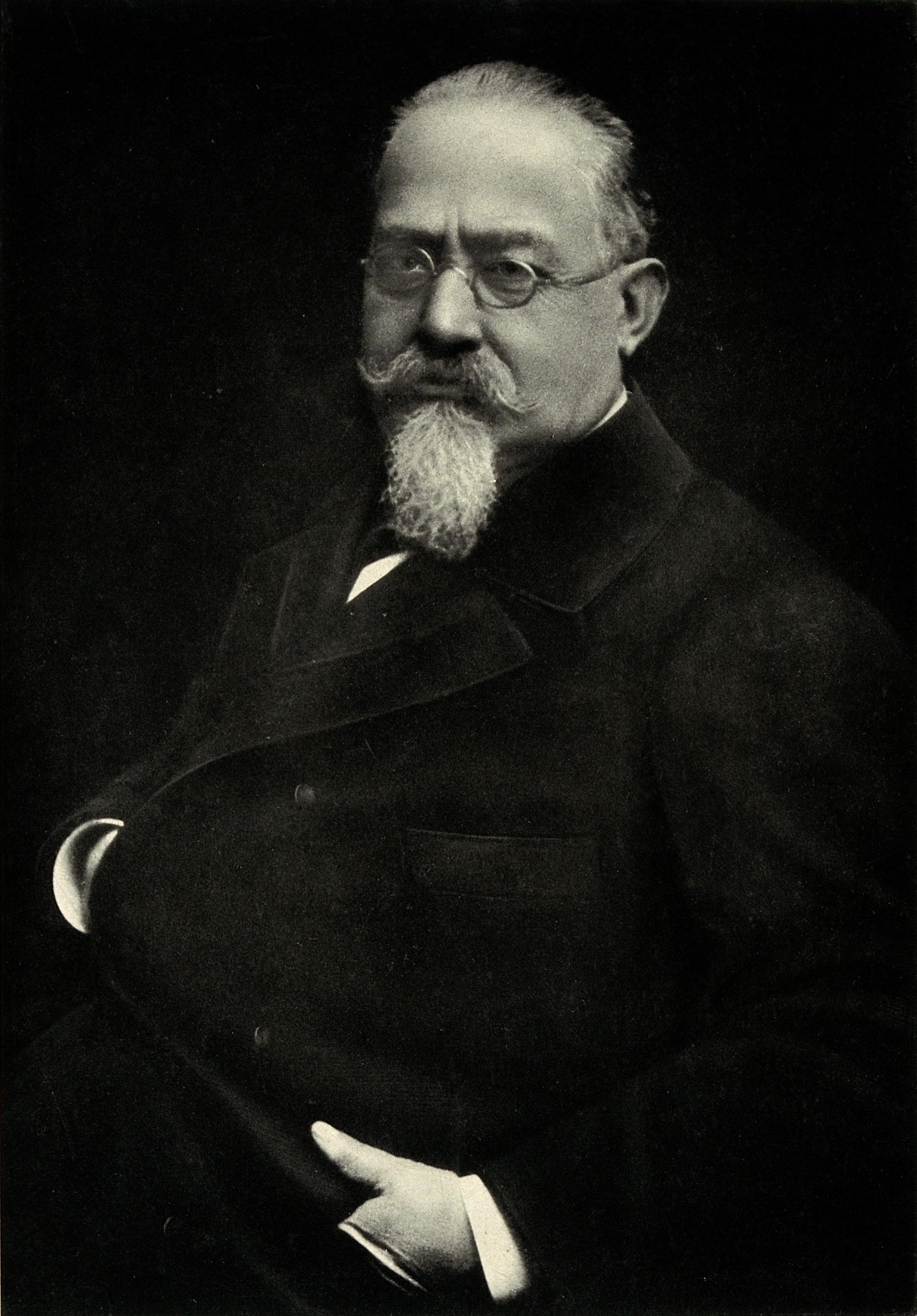
The Man of Genius
1891

Lombroso was one of the most influential criminologists of the 19th century, and this book remains one of his most controversial works. Drawing on his theory of atavistic degeneration, he argues that genius is not merely allied to madness but is itself a manifestation of neurological and psychological abnormality. Examining historical figures from Aristotle to his contemporaries, Lombroso identifies patterns of degeneracy, epilepsy, and neurosis among those societies elevate as the highest expressions of human intellect. The book is unsettling not because it dismisses genius, but because it insists that our most revered minds may be products of the same biological irregularities that produce criminals and the mentally ill. The tension running through Lombroso's argument is what makes this book as compelling as it is troubling. He openly acknowledges the "horror" of his own conclusions, yet presents case after case as evidence too stubborn to dismiss. A landmark of Victorian scientific thought that shaped debates about creativity for generations, now fascinating as much for what it reveals about the era's anxieties as for its arguments about human difference.
Editions
X-Ray
“[G]enius is a true degenerative psychosis belonging to the group of moral insanity . . .””
— Cesare Lombroso
Link to this book
Add a free, dofollow link to Lex on your blog, forum, syllabus, or reading list.

<a href="https://lex-books.com/book/the-man-of-genius-5eb467a1-7976-478c-8721-c77eccf2cb0c"><img src="https://lex-books.com/badges/read-on-lex.svg" alt="Read The Man of Genius by Cesare Lombroso free on Lex" width="160" height="40"></a>[](https://lex-books.com/book/the-man-of-genius-5eb467a1-7976-478c-8721-c77eccf2cb0c)[url=https://lex-books.com/book/the-man-of-genius-5eb467a1-7976-478c-8721-c77eccf2cb0c][img]https://lex-books.com/badges/read-on-lex.svg[/img][/url]Read The Man of Genius by Cesare Lombroso free on Lex: https://lex-books.com/book/the-man-of-genius-5eb467a1-7976-478c-8721-c77eccf2cb0cCite this book
Reading this edition for a paper or guide? Copy a citation.
Lombroso, Cesare. The Man of Genius. Lex, lex-books.com/book/the-man-of-genius-5eb467a1-7976-478c-8721-c77eccf2cb0c.Lombroso, C. (1891). The Man of Genius. Lex. https://lex-books.com/book/the-man-of-genius-5eb467a1-7976-478c-8721-c77eccf2cb0cLombroso, Cesare. The Man of Genius. Lex. https://lex-books.com/book/the-man-of-genius-5eb467a1-7976-478c-8721-c77eccf2cb0c.