The Long Way
1913
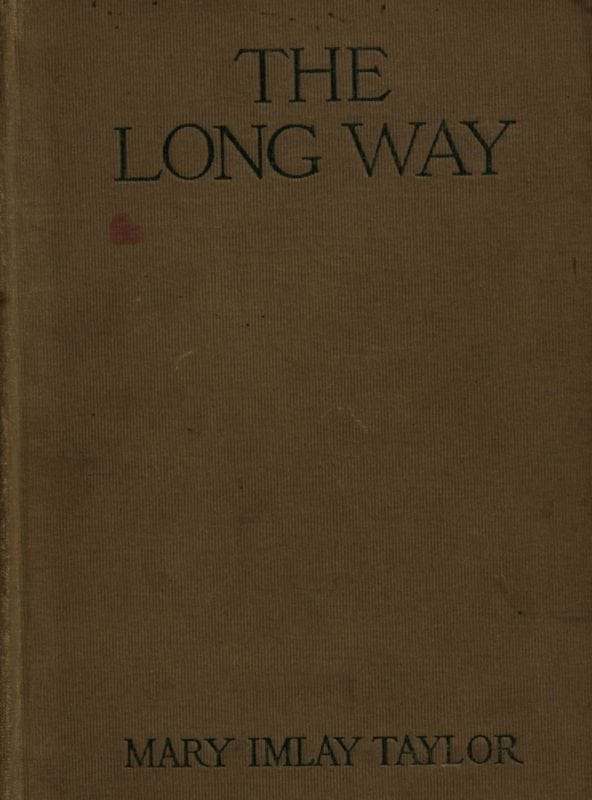
Rachel Leven stands in her sister Eva's lavish home, surrounded by wealth and champagne, feeling as though the air itself is poisoned with pretense. Eva's scandal has erupted like a fever across their social world, a young man's life hangs in the balance, entangled in a love triangle that threatens to destroy everything the Leven sisters have built. Now Rachel must do what women of their era were expected to do: sacrifice herself to contain the damage. She will marry Belhaven, the man she's been promised to, not from love but from duty, a transaction in reputation, a shield forged from her own future. The Long Way maps the devastating geometry of this choice: how a single act of recklessness by one sister becomes the chain binding the other. Taylor writes with sharp precision about the invisible bars of Edwardian womanhood, where honor was a commodity, silence was virtue, and love was a luxury few could afford. The novel endures because it captures something universal beneath its period trappings: the terror of being valued only for what you can erase, and the long, quiet grief of a life arranged for everyone else's comfort.
Editions
Link to this book
Add a free, dofollow link to Lex on your blog, forum, syllabus, or reading list.

<a href="https://lex-books.com/book/the-long-way-07b8fd7a-0882-4158-b8a8-8b5eae35bda9"><img src="https://lex-books.com/badges/read-on-lex.svg" alt="Read The Long Way by Mary Imlay Taylor free on Lex" width="160" height="40"></a>[](https://lex-books.com/book/the-long-way-07b8fd7a-0882-4158-b8a8-8b5eae35bda9)[url=https://lex-books.com/book/the-long-way-07b8fd7a-0882-4158-b8a8-8b5eae35bda9][img]https://lex-books.com/badges/read-on-lex.svg[/img][/url]Read The Long Way by Mary Imlay Taylor free on Lex: https://lex-books.com/book/the-long-way-07b8fd7a-0882-4158-b8a8-8b5eae35bda9Cite this book
Reading this edition for a paper or guide? Copy a citation.
Taylor, Mary Imlay. The Long Way. Lex, lex-books.com/book/the-long-way-07b8fd7a-0882-4158-b8a8-8b5eae35bda9.Taylor, M. I. (1913). The Long Way. Lex. https://lex-books.com/book/the-long-way-07b8fd7a-0882-4158-b8a8-8b5eae35bda9Taylor, Mary Imlay. The Long Way. Lex. https://lex-books.com/book/the-long-way-07b8fd7a-0882-4158-b8a8-8b5eae35bda9.