What would you like to read?Search books, authors, genres, shelves, users...
Search books, authors, genres, shelves, users...Search books, authors, genres, shelves, users...

What would you like to read?Search books, authors, genres, shelves, users...
Search books, authors, genres, shelves, users...Search books, authors, genres, shelves, users...
1864-
No author biography available.




1900
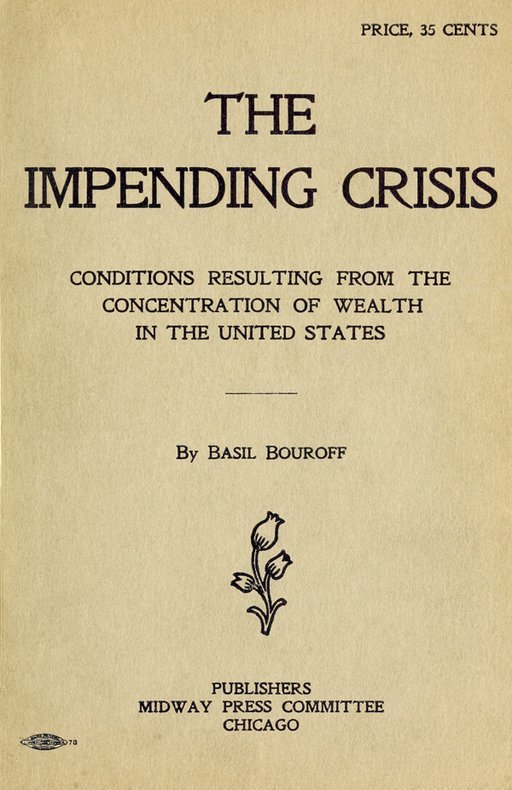
A socio-economic analysis written in the early 20th century. This work examines the severe inequalities in wealth distribution in the United States, illustrating how a small percentage of the population holds a disproportionate share of national wealth. The book seeks to diagnose the underlying issues causing social unrest and economic disparity, making it relevant to discussions about class struggle and economic justice. The opening of the book presents a stark warning regarding the growing economic disparity in the United States at the turn of the century. Bouroff draws parallels between impending social upheaval and historical revolutions, emphasizing that the excessive concentration of wealth is leading society toward a critical tipping point. Using statistical data from the Eleventh Census, he highlights the alarming fact that a tiny fraction of the population controls a vast majority of wealth, creating a system where the majority are reduced to poverty and dependence. The author argues that this unequal distribution is unsustainable and predicts that it will inevitably result in social unrest as more individuals become economically disenfranchised.
