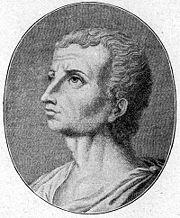
The History of Rome, Books 27 to 36
1924
The History of Rome, Books 27 to 36
1924
Translated by Cyrus R. Edmonds
Livy chronicles the most perilous decades in Roman history: the years when Hannibal Barca stood at the gates and Rome faced annihilation. Books 27 through 36 document the grinding, desperate warfare of the Second Punic War, from the near-catastrophe at Cannae to the eventual Roman revival. We see the tenacity of Claudius Marcellus, the rise of Scipio Africanus, and the tactical genius of Hannibal who for fifteen years held Italy in a stranglehold. But this is more than military chronicle. Livy writes with the conviction that Rome's survival was providential, that the Republic's virtues and stubborn refusal to surrender its destiny shaped the world. His prose, even in translation, carries the weight of a civilization interpreting its own heroic age. For readers of classical history, military strategy, or political philosophy, these books offer foundational evidence of how Romans understood power, fate, and the costs of empire.
Editions

X-Ray
A brilliant Roman general who conquered Spain, defeated Hannibal in Africa, and ultimately ended the Second Punic War.
The brilliant Carthaginian general who invaded Italy, inflicted severe losses on Rome, and was eventually recalled to Africa and defeated by Scipio.
A highly respected Roman general and statesman, known for his cautious 'Fabian tactics' against Hannibal and his conservative opposition to Scipio's African campaign.
A Roman consul and general known for his aggressive military approach, often called the 'Sword of Rome,' who engaged Hannibal multiple times with mixed success before being killed in an ambush.
About The History of Rome, Books 27 to 36
Chapter Summaries
- 1
- Marcellus recaptures Salapia, Maronea, and Meles, securing provisions. However, Cneius Fulvius is defeated and killed by Hannibal at Herdonea due to negligence. Marcellus, undeterred, pursues Hannibal into Apulia, engaging in minor skirmishes.
- 2
- Marcellus, undaunted by the disaster at Herdonea, encamps near Hannibal at Numistro. They engage in a long, indecisive battle. Hannibal decamps silently to Apulia, but Marcellus pursues him to Venusia, where Roman forces gain the upper hand in skirmishes.
- 3
- At Capua, a conspiracy by 170 Campanians to burn Roman military huts is foiled by a slave's information, leading to the conspirators' execution. The people of Nuceria are relocated to Atella, and Acerra is permitted to rebuild. Commissioners are sent to Tarentum with troops and corn.
Key Themes
- Military Strategy and Adaptation
- Livy meticulously details diverse military strategies, from Fabian delaying tactics to Scipio's bold offensive maneuvers and combined arms approaches. The narrative highlights how Roman generals adapted their methods to counter formidable opponents like Hannibal and Philip, showcasing the evolution of warfare in the Republic.
- Leadership and Command
- The book explores various facets of leadership, contrasting the strategic genius and charisma of Scipio and Hannibal with the cautious wisdom of Fabius and the aggressive spirit of Marcellus. It also delves into the challenges of maintaining discipline, managing political rivalries, and inspiring troops amidst prolonged conflict.
- Loyalty, Treachery, and Shifting Alliances
- A recurring motif is the fluidity of allegiances, with numerous instances of states and individuals switching sides based on perceived advantage or fear. This theme is evident in the defections of Spanish tribes, Numidian kings like Syphax and Masinissa, and Greek city-states, underscoring the opportunistic nature of wartime politics.
Characters
- Publius Cornelius Scipio Africanus (Scipio)(protagonist)
- A brilliant Roman general who conquered Spain, defeated Hannibal in Africa, and ultimately ended the Second Punic War.
- Hannibal Barca(antagonist)
- The brilliant Carthaginian general who invaded Italy, inflicted severe losses on Rome, and was eventually recalled to Africa and defeated by Scipio.
- Quintus Fabius Maximus (Fabius)(supporting)
- A highly respected Roman general and statesman, known for his cautious 'Fabian tactics' against Hannibal and his conservative opposition to Scipio's African campaign.
- Marcus Claudius Marcellus (Marcellus)(supporting)
- A Roman consul and general known for his aggressive military approach, often called the 'Sword of Rome,' who engaged Hannibal multiple times with mixed success before being killed in an ambush.
- Caius Claudius Nero (Nero)(supporting)
- A Roman consul renowned for his daring forced march to reinforce his colleague Livius, leading to the decisive victory against Hasdrubal at the Metaurus River.
- Titus Quinctius Flamininus (Quinctius)(protagonist)
- A Roman general who successfully concluded the Second Macedonian War against Philip V and famously proclaimed the liberty of Greece at the Isthmian Games.
Link to this book
Add a free, dofollow link to Lex on your blog, forum, syllabus, or reading list.

<a href="https://lex-books.com/book/the-history-of-rome-books-27-to-36-771016b4-1d31-454e-b7e7-4dfc2bd30619"><img src="https://lex-books.com/badges/read-on-lex.svg" alt="Read The History of Rome, Books 27 to 36 by Livy free on Lex" width="160" height="40"></a>[](https://lex-books.com/book/the-history-of-rome-books-27-to-36-771016b4-1d31-454e-b7e7-4dfc2bd30619)[url=https://lex-books.com/book/the-history-of-rome-books-27-to-36-771016b4-1d31-454e-b7e7-4dfc2bd30619][img]https://lex-books.com/badges/read-on-lex.svg[/img][/url]Read The History of Rome, Books 27 to 36 by Livy free on Lex: https://lex-books.com/book/the-history-of-rome-books-27-to-36-771016b4-1d31-454e-b7e7-4dfc2bd30619Cite this book
Reading this edition for a paper or guide? Copy a citation.
Livy. The History of Rome, Books 27 to 36. Lex, lex-books.com/book/the-history-of-rome-books-27-to-36-771016b4-1d31-454e-b7e7-4dfc2bd30619.Livy (1924). The History of Rome, Books 27 to 36. Lex. https://lex-books.com/book/the-history-of-rome-books-27-to-36-771016b4-1d31-454e-b7e7-4dfc2bd30619Livy. The History of Rome, Books 27 to 36. Lex. https://lex-books.com/book/the-history-of-rome-books-27-to-36-771016b4-1d31-454e-b7e7-4dfc2bd30619.