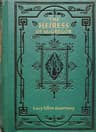
The Heiress of Mcgregor: Or, Living for Self
1875
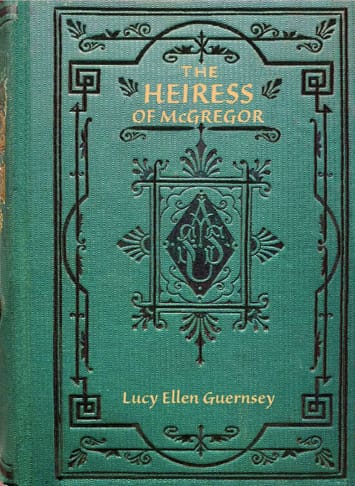
Marion McGregor has been punished for failing her arithmetic lessons, and the shame follows her home to her grandfather's sprawling estate. At fifteen, she is the heiress of McGregor, yet she feels trapped by the very privilege that should set her free. Her grandfather Hector and her formidable aunt Barbara have raised her with rigid expectations, and Marion chafes against every constraint, until she begins to discover that the life she's resented may be the one she's been given the power to shape. Guernsey, writing in the post-Civil War era when American women writers were finding their voices, constructs Marion's interior world with unusual honesty. This is not a simple tale of rebellion or compliance. It is the more interesting story of a young woman learning to ask: what does it mean to live for myself, and is that truly possible when others depend on who I am? The rural setting becomes a stage for quiet psychological drama, where ambition and duty collide in the heart of a girl on the verge of womanhood. For readers who loved the domestic realism of Louisa May Alcott or the moral complexity of Henry James's early work, this novel offers a window into the particular anguish of a privileged girl who wants to matter for something more than her inheritance.
Editions
Link to this book
Add a free, dofollow link to Lex on your blog, forum, syllabus, or reading list.

<a href="https://lex-books.com/book/the-heiress-of-mcgregor-or-living-for-self-1ba06168-a911-47ff-966e-8b934363735c"><img src="https://lex-books.com/badges/read-on-lex.svg" alt="Read The Heiress of Mcgregor: Or, Living for Self by Lucy Ellen Guernsey free on Lex" width="160" height="40"></a>[](https://lex-books.com/book/the-heiress-of-mcgregor-or-living-for-self-1ba06168-a911-47ff-966e-8b934363735c)[url=https://lex-books.com/book/the-heiress-of-mcgregor-or-living-for-self-1ba06168-a911-47ff-966e-8b934363735c][img]https://lex-books.com/badges/read-on-lex.svg[/img][/url]Read The Heiress of Mcgregor: Or, Living for Self by Lucy Ellen Guernsey free on Lex: https://lex-books.com/book/the-heiress-of-mcgregor-or-living-for-self-1ba06168-a911-47ff-966e-8b934363735cCite this book
Reading this edition for a paper or guide? Copy a citation.
Guernsey, Lucy Ellen. The Heiress of Mcgregor: Or, Living for Self. Lex, lex-books.com/book/the-heiress-of-mcgregor-or-living-for-self-1ba06168-a911-47ff-966e-8b934363735c.Guernsey, L. E. (1875). The Heiress of Mcgregor: Or, Living for Self. Lex. https://lex-books.com/book/the-heiress-of-mcgregor-or-living-for-self-1ba06168-a911-47ff-966e-8b934363735cGuernsey, Lucy Ellen. The Heiress of Mcgregor: Or, Living for Self. Lex. https://lex-books.com/book/the-heiress-of-mcgregor-or-living-for-self-1ba06168-a911-47ff-966e-8b934363735c.